How to take a scientific approach to charity
TL;DR
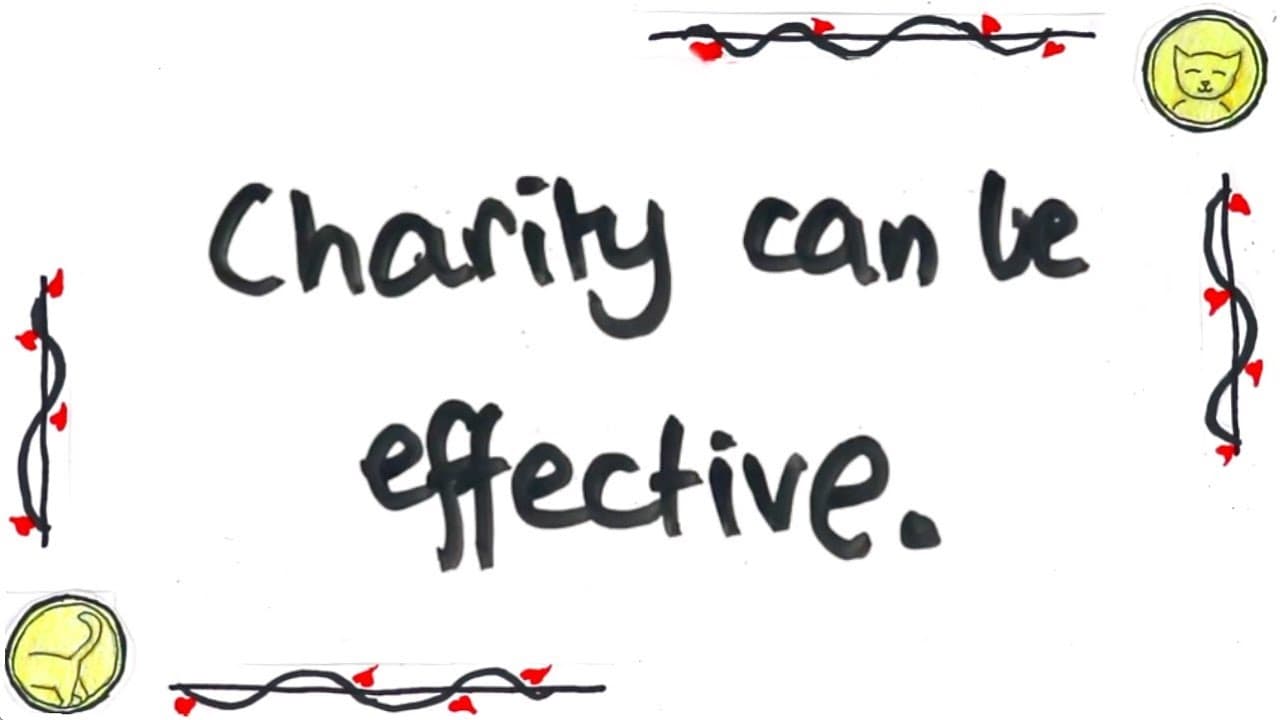
The use of random control trials in nonprofit interventions reveals that some interventions are significantly more effective than others, emphasizing the importance of rigorous analysis and evidence-based giving.
Transcript
This video is my entry for Project for Awesome, an annual charity event on Youtube where we raise money and vote for our favourite nonprofits to give that money to. I’ll reveal which organisation I’m supporting in a few minutes. First though, let me tell you a story about how powerful the scientific method can be. In the late 90s, the Harvard profe... Read More
Key Insights
- 🎮 Random control trials using the scientific method have revealed that some nonprofit interventions are significantly more effective than others.
- 🥳 Traditional assumptions about interventions, such as providing textbooks or improving teacher-to-student ratios, may not always yield the desired outcomes.
- 🧑⚕️ Treating health issues, such as stomach worms, can have long-lasting impacts on education and future earnings.
- 👨🔬 GiveWell is a nonprofit organization that conducts rigorous research on effective interventions and supports evidence-based giving.
- 🦃 Evidence-based giving is crucial in maximizing the impact of charitable donations.
- 🪡 Not all nonprofit interventions are equally effective, emphasizing the need for rigorous analysis and evaluation.
- ⚾ By supporting evidence-based organizations and spreading awareness, individuals can make a meaningful impact on those in need.
Install to Summarize YouTube Videos and Get Transcripts
Explore YouTube Video Summarizer or Get YouTube Transcript Extractor
Questions & Answers
Q: How did random control trials help improve education in Kenya?
Random control trials allowed for the testing of different interventions, revealing that medication to prevent stomach worms had the most significant impact on student attendance and long-term outcomes.
Q: What makes a nonprofit intervention more effective than others?
The use of the scientific method and rigorous analysis helps identify interventions that have a higher impact on the target population. In the case of Kenya, providing medication for stomach worms proved to be highly effective.
Q: How does GiveWell contribute to evidence-based giving?
GiveWell conducts extensive research on nonprofit interventions and reassesses their choices for top nonprofits every year. They prioritize transparency and support initiatives that have proven to be effective through scientific evidence.
Q: How can individuals support evidence-based giving?
Individuals can vote for GiveWell on the Project for Awesome website and share videos and information about effective nonprofit interventions. By spreading awareness and supporting evidence-based organizations, we can make a difference in those most in need.
Summary & Key Takeaways
-
Harvard professor Michael Kremer conducted random control trials in Kenya to improve education, testing different interventions such as more textbooks, flipcharts, and improved teacher-to-student ratios.
-
Surprisingly, none of these interventions were effective. However, providing medication to prevent stomach worms had a significant impact on student attendance and long-term outcomes.
-
The scientific method allows for hypothesis testing and has the potential to uncover highly effective nonprofit interventions.
Read in Other Languages (beta)
Share This Summary 📚
Summarize YouTube Videos and Get Video Transcripts with 1-Click
Try YouTube Summary with ChatGPT & Claude or YouTube Transcript Generator
Explore More Summaries from Looking Glass Universe 📚

Summarize YouTube Videos and Get Video Transcripts with 1-Click
Try YouTube Summary with ChatGPT & Claude or YouTube Transcript Generator