¿Nuevos imaginarios?
TL;DR
Explores Spanish influence on Philippine literature and identity.
Transcript
In 1898, Spanish was the lingua franca in an extremely fragmented archipelago, and where a big variety of peoples and languages still coexisted well into the first half of the 20th century. But only a few Filipinos were fluent in it. Spanish was used in well-to-do and educated sectors. Our readership was quite limited which also explains the declin... Read More
Key Insights
- Spanish was the lingua franca in the Philippines during the early 20th century, predominantly used by the elite and educated classes.
- The decline of Spanish literary production in the Philippines began in the 1940s due to the rise of English in education and administration.
- Despite the decline, Spanish cultural production remained dynamic, with music and literature continuing to thrive in various languages.
- Some authors continued writing in Spanish to preserve cultural identity and cohesion among the elite, despite the rise of English.
- Wilfrido Maria Guerrero, a younger author, transitioned from writing in Spanish to English, reflecting generational shifts in language preference.
- Philippine literature in Spanish often explored themes of national identity and independence, contrasting with American colonial values.
- The Spanish Civil War highlighted ideological divisions among Filipino writers, with differing views on politics and modernity.
- Despite diverse viewpoints, Philippine literature in Spanish converged on themes of independence and national identity.
Install to Summarize YouTube Videos and Get Transcripts
Explore YouTube Video Summarizer or Get YouTube Transcript Extractor
Questions & Answers
Q: Why did some Filipino authors continue writing in Spanish?
Some Filipino authors continued writing in Spanish to maintain a sense of cultural identity and cohesion among the elite class. They felt an affinity with the language due to their education and cultural values. Writing in Spanish also allowed them to express their perspectives on national identity and independence amidst American colonial influence.
Q: How did the rise of English impact Spanish literature in the Philippines?
The rise of English in education, politics, and administration led to a decline in Spanish literary production in the Philippines. English became the preferred language for communication and cultural expression, marginalizing Spanish, which was predominantly used by the elite. This shift contributed to a generational change in language preference among writers.
Q: What themes did Philippine literature in Spanish explore?
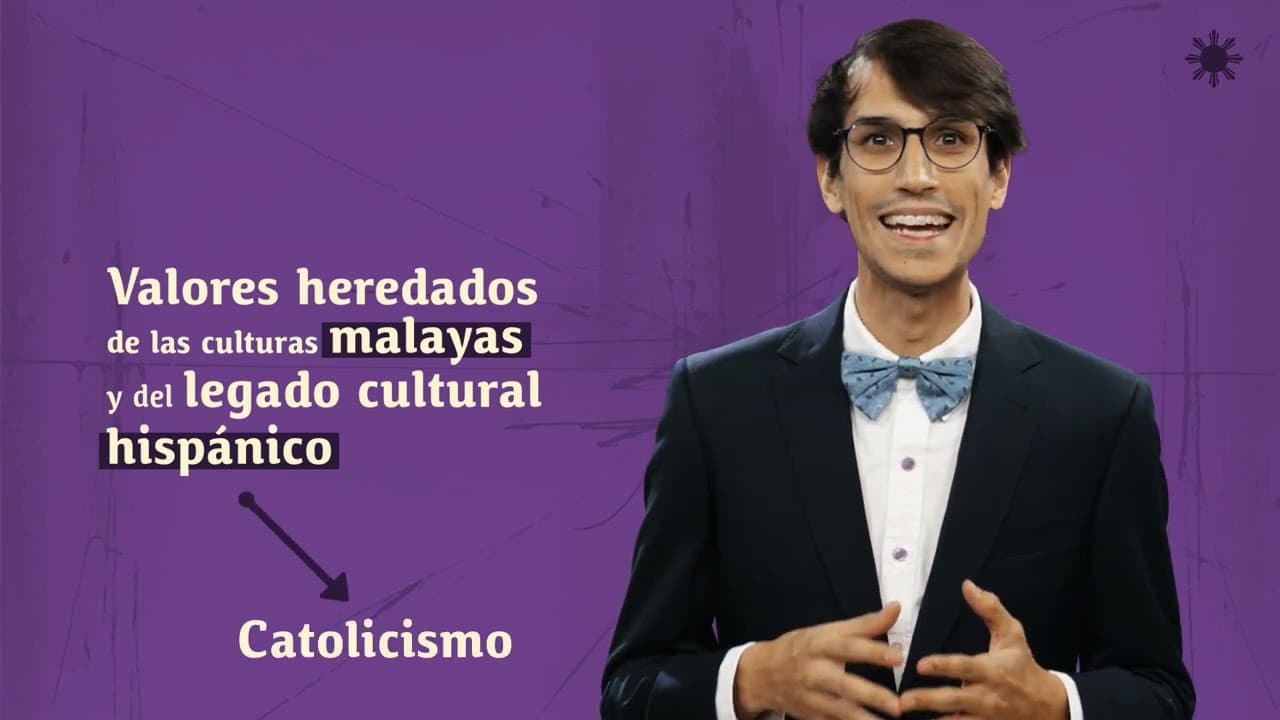
Philippine literature in Spanish explored themes of national identity, independence, and the Filipino soul. Writers contrasted these themes with American colonial values and sought to define a unique Filipino identity. They also addressed cultural heritage, with influences from Malay and Hispanic cultures, and often critiqued the effects of colonialism on Filipino society.
Q: How did the Spanish Civil War affect Filipino writers?
The Spanish Civil War exposed ideological divisions among Filipino writers, with some supporting the Republic and others supporting the Nationalists. These divisions reflected broader political and ideological differences within the group. Despite these differences, writers shared a common focus on defining Filipino identity and independence amidst colonial influences.
Q: What role did generational change play in language preference among Filipino writers?
Generational change played a significant role in the shift from Spanish to English among Filipino writers. Younger authors, like Wilfrido Maria Guerrero, who were born in the early 20th century, embraced English for their literary and journalistic works. This shift reflected broader societal changes in language preference and cultural identity amidst American colonial influence.
Q: How did Filipino writers view American colonial values?
Filipino writers had varied views on American colonial values. Some were critical of the American model, highlighting its corrupting effects on Filipino society. Others did not reject these values outright but sought to distance themselves by proposing a modernity compatible with Filipino cultural heritage, emphasizing Hispanic and Malay influences.
Q: What is the significance of the protagonist in Antonio Abad’s novel 'The Champion'?
In Antonio Abad’s novel 'The Champion', the protagonist, a fighting cock, serves as an allegorical figure representing the Philippines. This symbolism reflects the themes of national identity and the struggle for independence. The novel uses this allegory to explore the complexities of Filipino identity and the nation's aspirations amidst colonial influences.
Q: How did travel literature contribute to Filipino cultural identity?
Travel literature by Filipino authors, such as Teodoro M. Kalaw and Maria Paz Mendoza Guazon, contributed to cultural identity by comparing foreign lands with the Filipino reality. These works identified practices beneficial for the nation's development and highlighted cultural differences, helping to define a unique Filipino identity in the context of global influences.
Summary & Key Takeaways
-
In the early 20th century, Spanish was a dominant language in the Philippines, used mainly by the elite. However, the rise of English in education and administration led to a decline in Spanish literary production. Despite this, cultural production remained vibrant across different languages.
-
Some Filipino authors continued writing in Spanish to maintain cultural identity and cohesion among the elite, even as younger writers like Wilfrido Maria Guerrero shifted to English. This generational change reflected broader societal shifts in language and cultural identity.
-
Philippine literature in Spanish often explored themes of national identity and independence, contrasting with American colonial values. The Spanish Civil War exposed ideological divisions among Filipino writers, but they shared a common focus on defining a unique Filipino identity.
Read in Other Languages (beta)
Share This Summary 📚
Summarize YouTube Videos and Get Video Transcripts with 1-Click
Try YouTube Summary with ChatGPT & Claude or YouTube Transcript Generator
Explore More Summaries from universidadurjc 📚



Summarize YouTube Videos and Get Video Transcripts with 1-Click
Try YouTube Summary with ChatGPT & Claude or YouTube Transcript Generator