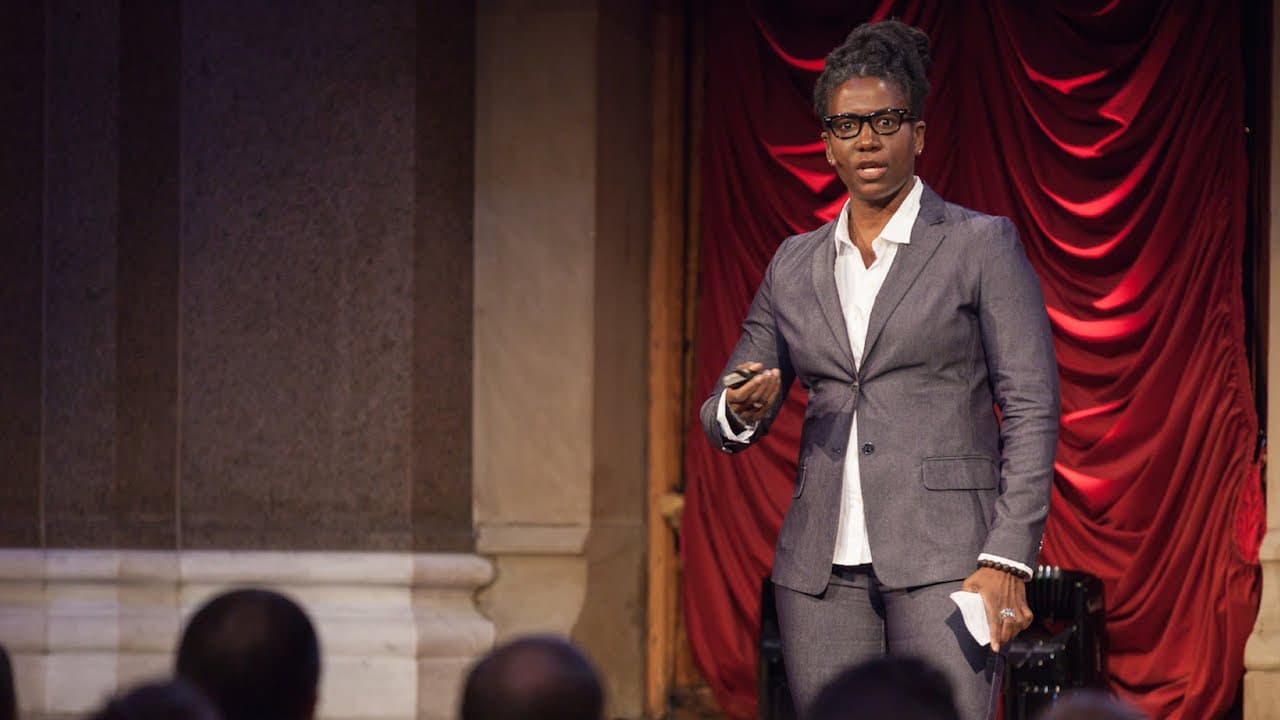
What we don’t understand about gentrification | Stacey Sutton | TEDxNewYork
TL;DR
Gentrification refers to the process of higher income individuals investing in low-income neighborhoods, leading to displacement and altering the cultural fabric of the area. It is a manifestation of economic inequality and requires preventative strategies and policies.
Transcript
in New York San Francisco Chicago and other major cities across the country people are talking about gentrification recently I've been speaking to people randomly about gentrification and one thing I learned is that people have generally heard the term but they're not quite familiar with what it exactly means one guy said isn't that when neighborho... Read More
Key Insights
- 😘 Gentrification is a complex phenomenon that involves the relocation or investment of higher income individuals in low-income neighborhoods.
- 😖 It is a manifestation of economic inequality and is confounded by the legacy of racial inequity in America.
- 🥺 Gentrification leads to displacement, both directly through rent increases and indirectly through the erosion of social networks and isolation.
- 👨⚖️ It is a social justice problem that necessitates policy interventions to preserve affordability and address the impacts on communities.
- 👪 Measures such as rent control, progressive land taxes, and restrictions on predatory investment schemes can help mitigate the effects of gentrification.
Install to Summarize YouTube Videos and Get Transcripts
Explore YouTube Video Summarizer or Get YouTube Transcript Extractor
Questions & Answers
Q: What is gentrification and how is it different from revitalization?
Gentrification refers to the movement of higher income individuals into low-income neighborhoods, causing property values to rise and displacing low-income residents. Revitalization, on the other hand, involves bottom-up neighborhood improvement that remains affordable for low-income residents, often done with the help of community organizations and the public and private sectors.
Q: How does gentrification lead to displacement?
Gentrification causes both direct and indirect displacement. Direct displacement occurs when landlords increase rents significantly, forcing low-income residents to leave. Indirect displacement, also known as exclusionary displacement, involves the erosion of social networks and the isolating effect of rising prices in gentrified neighborhoods.
Q: Is gentrification a social justice problem?
Yes, gentrification perpetuates social inequality as it primarily benefits higher income individuals while displacing low-income residents. It highlights the need for progressive policies such as rent control, progressive land tax, and restrictions on predatory investment schemes and speculative investment funds.
Q: How can gentrification be prevented?
Preventative strategies against gentrification include implementing rent control policies, progressive land taxes to support vulnerable renters, restrictions on predatory investment schemes, and limiting speculatory investment funds. Early action and critical thinking about neighborhood representations are also essential in preventing gentrification and displacement.
Key Insights:
- Gentrification is a complex phenomenon that involves the relocation or investment of higher income individuals in low-income neighborhoods.
- It is a manifestation of economic inequality and is confounded by the legacy of racial inequity in America.
- Gentrification leads to displacement, both directly through rent increases and indirectly through the erosion of social networks and isolation.
- It is a social justice problem that necessitates policy interventions to preserve affordability and address the impacts on communities.
- Measures such as rent control, progressive land taxes, and restrictions on predatory investment schemes can help mitigate the effects of gentrification.
- Critical thinking about neighborhood representations and early prevention efforts are crucial in tackling gentrification and its consequences.
Summary & Key Takeaways
-
Gentrification is more than just neighborhood improvement; it is the relocation or investment of higher income individuals in historically disinvested urban neighborhoods with low property values.
-
Gentrification disproportionately affects black and brown communities, leading to displacement and tension between different racial and ethnic groups.
-
Gentrification is a social justice problem that demands policy interventions to prevent displacement and preserve affordability for low-income residents.
Read in Other Languages (beta)
Share This Summary 📚
Summarize YouTube Videos and Get Video Transcripts with 1-Click
Try YouTube Summary with ChatGPT & Claude or YouTube Transcript Generator
Explore More Summaries from TEDx Talks 📚
Summarize YouTube Videos and Get Video Transcripts with 1-Click
Try YouTube Summary with ChatGPT & Claude or YouTube Transcript Generator