The return of Mongolia's "wild" horses - Nigel Rothfels
TL;DR
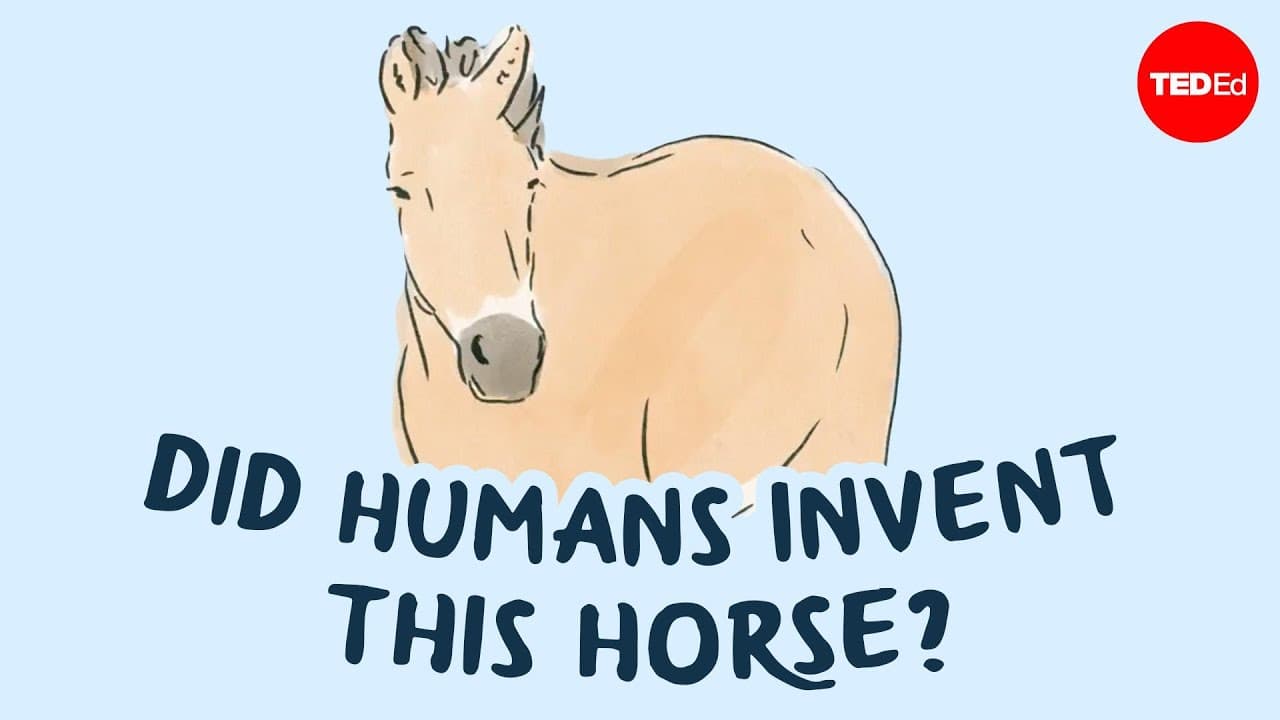
Zoos played a controversial role in saving Takhi horses from extinction, breeding them to fit their ideal image before releasing them.
Transcript
For thousands of years, native Takhi horses roamed the steppes of Central Asia. But by the late 1960s, they’d become extinct in the wild— the last herds struggling in meager habitats against hunters and competition from local livestock. Some small groups of Takhi survived in European zoos, but their extinction still seemed inevitable. To preve... Read More
Key Insights
- 🐴 Takhi horses faced extinction due to hunting and competition from livestock in their native habitat.
- 🖐️ Zoos played a crucial role in saving the Takhi horses through a breeding program.
- 🏇 Controlled breeding in zoos altered the physical characteristics of the Takhi horses.
- 🎮 The reintroduced Takhi population differs from the original wild population due to controlled breeding practices.
- 🔍 Zoos transitioned from entertainment centers to conservation hubs in the early 1900s.
- 🔍 The role of zoos in conservation efforts remains controversial and complex.
- 🤨 Conservation victories often raise questions about what is truly being saved and the impact of controlled breeding.
Install to Summarize YouTube Videos and Get Transcripts
Explore YouTube Video Summarizer or Get YouTube Transcript Extractor
Questions & Answers
Q: How did zoos contribute to saving Takhi horses from extinction?
Zoos initiated a breeding program to sustain the captive Takhi population and ultimately released new generations back into their native habitat to prevent extinction.
Q: What challenges did Takhi horses face after being reintroduced to their ancestral home?
The reintroduced Takhi horses faced challenges with controlled breeding, as their physical characteristics were altered to fit a standardized model, making them different from the original wild Takhi population.
Q: What role did zoos play in conservation efforts in the early 1900s?
Zoos transitioned from being entertainment-focused to conservation centers, breeding endangered species like Przhevalsky’s horse to prevent extinction and promote awareness about conservation.
Q: How can zoos redirect their efforts to better protect animal diversity?
Zoos should focus on preserving natural habitats to address the direct causes of animal extinctions, such as habitat destruction and climate change, instead of solely relying on controlled breeding programs.
Summary & Key Takeaways
-
Takhi horses faced extinction in their native habitat.
-
Zoos initiated a breeding program to save the species.
-
The reintroduced Takhi horses face challenges due to controlled breeding.
Read in Other Languages (beta)
Share This Summary 📚
Summarize YouTube Videos and Get Video Transcripts with 1-Click
Try YouTube Summary with ChatGPT & Claude or YouTube Transcript Generator
Explore More Summaries from TED-Ed 📚






Summarize YouTube Videos and Get Video Transcripts with 1-Click
Try YouTube Summary with ChatGPT & Claude or YouTube Transcript Generator