Stop Trying To Be So Smart, Just Avoid Being Stupid
TL;DR
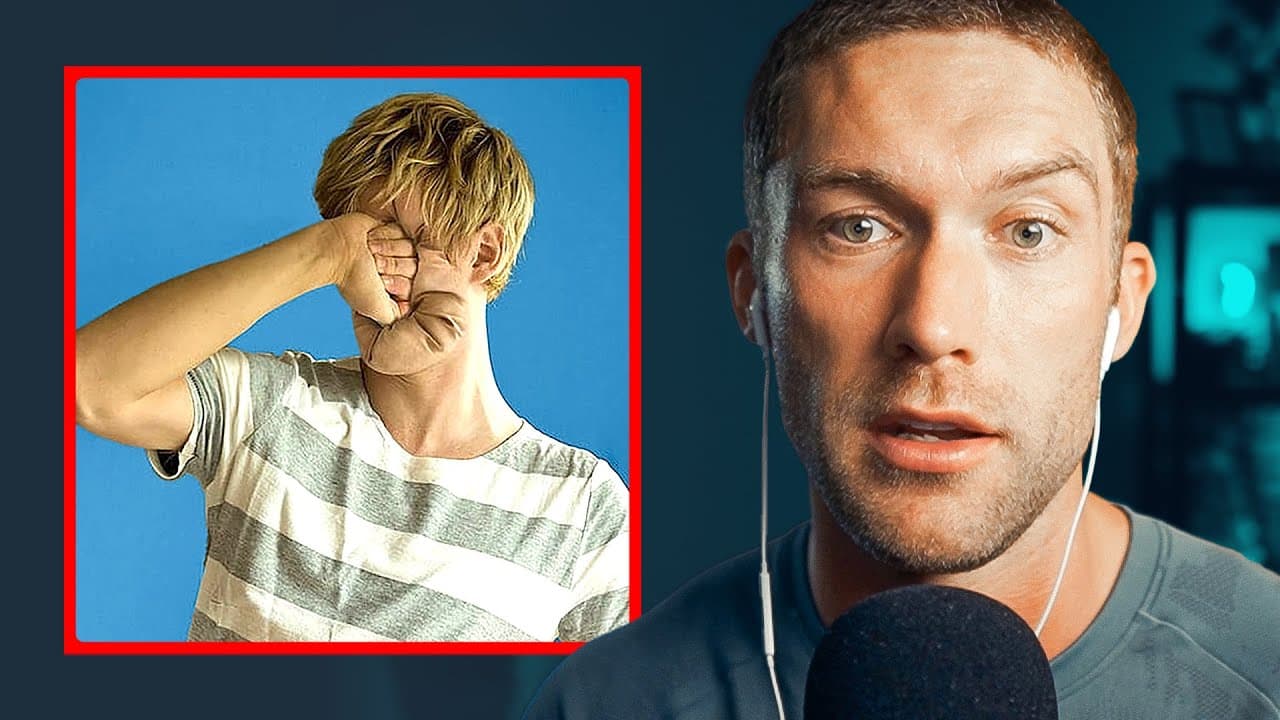
Censorship and the pressure to maintain performative opinions can lead to a chilling effect, where people mask their true beliefs and conform to societal expectations.
Transcript
chilling effect when punishment for what people say becomes widespread people stop saying what they really think and instead say whatever is needed to thrive in the social environment thus limits on speech become limits on sincerity yeah so I mean so this is you know a sort of very timely thing I think because there's a lot of talk about sort of su... Read More
Key Insights
- 😑 Widespread censorship and the pressure to have the right opinions can stifle genuine expression and lead to a lack of sincerity in public discourse.
- 😑 The Abilene Paradox highlights the tendency for individuals to conform to societal expectations, even if it means expressing false beliefs.
- 🗯️ Industries that prioritize image and status often value appearing to have the right opinions over actual conviction.
Install to Summarize YouTube Videos and Get Transcripts
Explore YouTube Video Summarizer or Get YouTube Transcript Extractor
Questions & Answers
Q: How does widespread censorship impact people's expression of their true opinions?
Widespread censorship creates a chilling effect where individuals feel compelled to hide their genuine beliefs and conform to societal expectations, leading to a lack of sincerity in public discourse.
Q: What is the Abilene Paradox and how does it relate to the issue of masking opinions?
The Abilene Paradox refers to a situation where people voice a belief that they don't actually hold because they falsely assume that everyone else shares that belief. This relates to masking opinions as it showcases the absurdity that can arise when people prioritize conformity over sincerity.
Q: Why do industries that are image-oriented tend to prioritize fashionable opinions?
In industries where image is important, such as Hollywood, academia, and politics, appearing to have the right opinions can enhance one's status and reputation. Consequently, individuals adopt fashionable opinions to signal their social standing, even if they don't genuinely believe in them.
Q: How has the digital age contributed to the dissociation between a person's public persona and their true beliefs?
Social media and the importance placed on online appearances have widened the gap between how individuals present themselves and their actual beliefs. This dissociation allows people to maintain fashionable opinions online while harboring contrasting beliefs in real life.
Summary & Key Takeaways
-
When punishment for expressing one's true opinions becomes widespread, people may cease to share their genuine thoughts and instead say what is socially acceptable.
-
The Abilene Paradox is an example of a situation where everyone professes a belief that no one truly holds, simply because they think everyone else believes it.
-
In industries where image and fashionable opinions are important, people prioritize appearing to have the right opinions over actually holding those beliefs.
Read in Other Languages (beta)
Share This Summary 📚
Summarize YouTube Videos and Get Video Transcripts with 1-Click
Try YouTube Summary with ChatGPT & Claude or YouTube Transcript Generator
Explore More Summaries from Chris Williamson 📚




Summarize YouTube Videos and Get Video Transcripts with 1-Click
Try YouTube Summary with ChatGPT & Claude or YouTube Transcript Generator