How Does the Heart Maintain Blood Pressure?
TL;DR
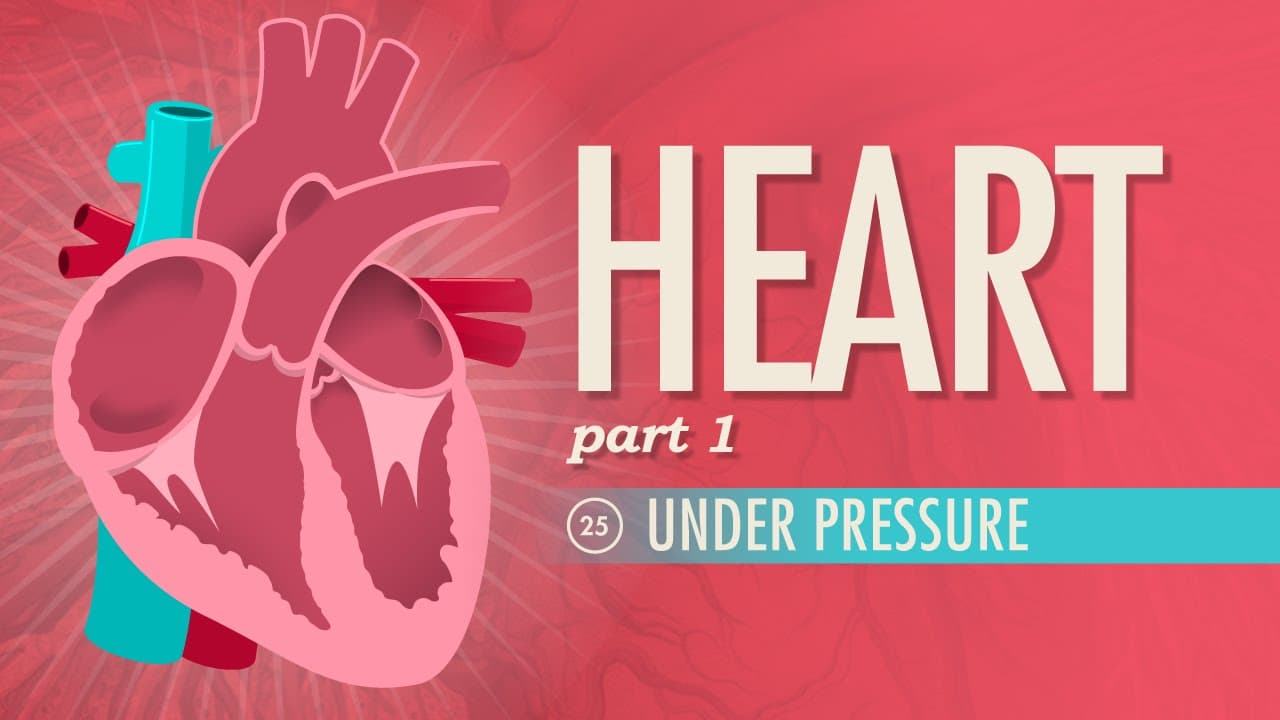
The heart functions as a pump to maintain blood pressure by creating high pressure to push blood through arteries and low pressure to draw it back through veins. It consists of chambers, valves, and a double-loop circulation system that ensures oxygenated blood reaches the body's cells and returns deoxygenated blood to the lungs for oxygen exchange.
Transcript
Your heart, that throbbing, beating muscle, is probably the most iconic organ in your body. No other organ gets its own holiday, or as much radio play. And you’re not likely to get a love note decorated with a kidney or a spleen, or even a brain, which is really what rules the emotions. Don’t get me wrong, the heart does some great things -- namely... Read More
Key Insights
- The heart is a muscular pump that circulates blood throughout the body.
- Blood pressure is maintained by the heart through high and low pressure gradients.
- The heart consists of four chambers: two atria and two ventricles.
- Valves in the heart ensure unidirectional blood flow and prevent backflow.
- The pulmonary loop moves deoxygenated blood to the lungs for oxygenation.
- The systemic loop distributes oxygenated blood to the body's organs.
- Systolic pressure is the peak pressure during ventricular contraction.
- Diastolic pressure is the pressure in arteries when ventricles relax.
Install to Summarize YouTube Videos and Get Transcripts
Explore YouTube Video Summarizer or Get YouTube Transcript Extractor
Questions & Answers
Q: How does the heart maintain blood pressure?
The heart maintains blood pressure by creating pressure gradients through its pumping action. The ventricles generate high pressure to push blood through the arteries, while low pressure in the atria allows blood to return from the veins. This cycle ensures continuous blood circulation and nutrient delivery to the body's tissues.
Q: What are the main functions of the heart's chambers and valves?
The heart's chambers and valves work together to ensure efficient blood flow. The atria receive blood returning to the heart, while the ventricles pump it out to the body and lungs. Valves between chambers prevent backflow, maintaining a one-way circuit that keeps blood moving in the correct direction.
Q: What is the difference between systolic and diastolic blood pressure?
Systolic blood pressure is the peak pressure in the arteries during ventricular contraction, indicating how forcefully the heart pumps blood. Diastolic blood pressure measures the pressure in the arteries when the ventricles relax, reflecting the resistance of blood vessels and the heart's resting phase.
Q: How does the pulmonary circulation loop function?
The pulmonary circulation loop carries deoxygenated blood from the right ventricle to the lungs via the pulmonary arteries. In the lungs, blood releases carbon dioxide and absorbs oxygen. Oxygenated blood then returns to the left atrium through the pulmonary veins, ready to be pumped through the systemic loop.
Q: What role do arteries and veins play in blood circulation?
Arteries and veins are crucial components of the circulatory system. Arteries carry oxygenated blood away from the heart to the body's tissues, while veins return deoxygenated blood back to the heart. This distinction is vital for maintaining the flow of nutrients and oxygen throughout the body.
Q: Why is blood pressure important for health?
Blood pressure is a critical indicator of cardiovascular health. It reflects the force exerted by circulating blood on artery walls. Proper blood pressure ensures that organs and tissues receive adequate oxygen and nutrients. Abnormal blood pressure, whether high or low, can lead to health complications such as heart disease and stroke.
Q: How does the systemic circulation loop work?
The systemic circulation loop begins in the left ventricle, where oxygenated blood is pumped through the aorta to the body's organs and tissues. After delivering oxygen, blood returns to the heart through the vena cavae, entering the right atrium. This loop ensures that the body's cells receive the oxygen they need for energy production.
Q: What causes the 'lub-DUB' sound of the heartbeat?
The 'lub-DUB' sound of the heartbeat is caused by the closing of heart valves. The 'lub' occurs when the mitral and tricuspid valves close during ventricular contraction (systole), while the 'DUB' is the sound of the aortic and pulmonary valves closing during ventricular relaxation (diastole). These sounds reflect the heart's rhythmic pumping action.
Summary & Key Takeaways
-
The heart is a powerful pump that circulates blood by maintaining pressure gradients. It consists of chambers and valves that regulate blood flow, ensuring oxygen-rich blood reaches the body's tissues while returning deoxygenated blood to the lungs. Understanding systolic and diastolic blood pressure provides insights into cardiovascular health.
-
Blood flows through a double-loop system: the pulmonary loop sends deoxygenated blood to the lungs, while the systemic loop delivers oxygenated blood to the body. The heart's structure, including its chambers and valves, is essential for this process, preventing backflow and ensuring efficient circulation.
-
Blood pressure readings, including systolic and diastolic measures, reflect the heart's pumping efficiency and artery condition. High or low blood pressure can indicate health issues, emphasizing the importance of the heart's role in maintaining homeostasis and overall well-being.
Read in Other Languages (beta)
Share This Summary 📚
Summarize YouTube Videos and Get Video Transcripts with 1-Click
Try YouTube Summary with ChatGPT & Claude or YouTube Transcript Generator
Explore More Summaries from CrashCourse 📚





Summarize YouTube Videos and Get Video Transcripts with 1-Click
Try YouTube Summary with ChatGPT & Claude or YouTube Transcript Generator