Master of those who Know: Aristotle as Role Model for the 21st-Century Academician
TL;DR
Aristotle's concept of potentiality, or dunamis, applies not only to embryos but also to the intellectual potential of all humans. Maximizing intellectual potential through education can lead to collective intelligence and help address global challenges.
Transcript
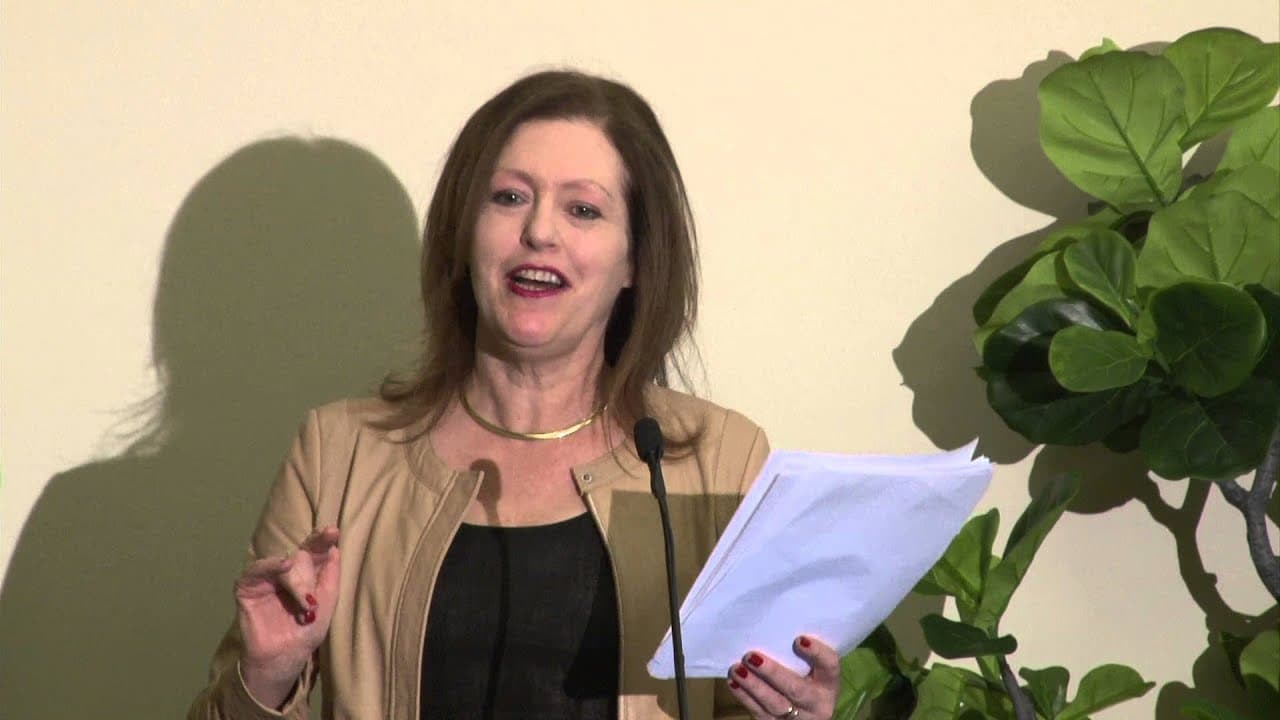
(dramatic electronic music) - [Voiceover] Stanford University. This program is brought to you by the Stanford Humanities Center. For more information, please visit us at shc.stanford.edu - Good evening, everybody, and welcome to the latest in our series of lectures on classical culture, in honor of Lorenz Eitner. My name is Richard Martin. I teach ... Read More
Key Insights
- 🏑 Aristotle's interdisciplinary approach connected scientific observations with philosophical concepts, influencing fields like biology, ethics, and aesthetics.
- 🇨🇫 Potentiality, or dunamis, is a central concept in Aristotle's philosophy, emphasizing the capacity for development and the role of external conditions in actualizing potential.
- 🌐 Education should be a collective endeavor to maximize human intellectual potential and address global challenges.
Install to Summarize YouTube Videos and Get Transcripts
Explore YouTube Video Summarizer or Get YouTube Transcript Extractor
Questions & Answers
Q: How did Aristotle's concept of potentiality revolutionize the prevailing theory of the arts?
Aristotle argued that the arts, such as tragic and epic poetry, have educational and cathartic value. They help humans understand and deal with complex emotions, providing insight into human nature and behavior. By emphasizing the potential for learning and personal growth through artistic experience, Aristotle challenged Plato's view that the arts are mere imitations of reality.
Q: How does Aristotle's concept of potentiality relate to the ethical principle of justice by omission?
Aristotle believed that individuals have a moral responsibility not only for their actions but also for their inactions. The idea of justice by omission means that if one has the ability to do something morally right but chooses not to, they are just as responsible for the wrong result as if they had done something wrong. This principle highlights the importance of considering the consequences of both actions and inactions in ethical decision-making.
Q: How can Aristotle's concept of potentiality be applied in addressing the wasted intellectual potential in society?
Aristotle's notion of maximizing human potential can be applied to education systems worldwide. By providing accessible, holistic education that fosters the development of diverse intellectual capabilities, we can ensure that individuals have the opportunity to fulfill their intellectual potential. This includes focusing on interdisciplinary learning, addressing global challenges, and promoting collective intelligence.
Q: How does Aristotle's view on potentiality challenge the Catholic moral philosophers' interpretation of potentiality in the abortion debate?
Aristotle's concept of potentiality primarily focused on the intellectual potential that individuals possess. While some Catholic moral philosophers argue that potentiality applies to embryos and justifies a pro-life stance, Aristotle's emphasis was on the development of the rational intellect in fully grown individuals. The different interpretations reflect diverging perspectives on the moral status of the unborn and the ethical considerations surrounding abortion.
Summary & Key Takeaways
-
Aristotle was a philosopher-scientist with an interdisciplinary approach, using observations from scientific inquiries to inform his philosophical work.
-
His concept of potentiality, or dunamis, highlights the possibilities and capacities within things, including humans, which can be actualized under the right circumstances.
-
Aristotle's ideas on potentiality have been applied to various fields, such as ethics, biology, and education.
-
Education should be seen as a collective endeavor to maximize human intellectual potential and address pressing global issues.
Read in Other Languages (beta)
Share This Summary 📚
Summarize YouTube Videos and Get Video Transcripts with 1-Click
Try YouTube Summary with ChatGPT & Claude or YouTube Transcript Generator
Explore More Summaries from Stanford 📚


Summarize YouTube Videos and Get Video Transcripts with 1-Click
Try YouTube Summary with ChatGPT & Claude or YouTube Transcript Generator