How to Retire with Real Estate Later in Life
TL;DR
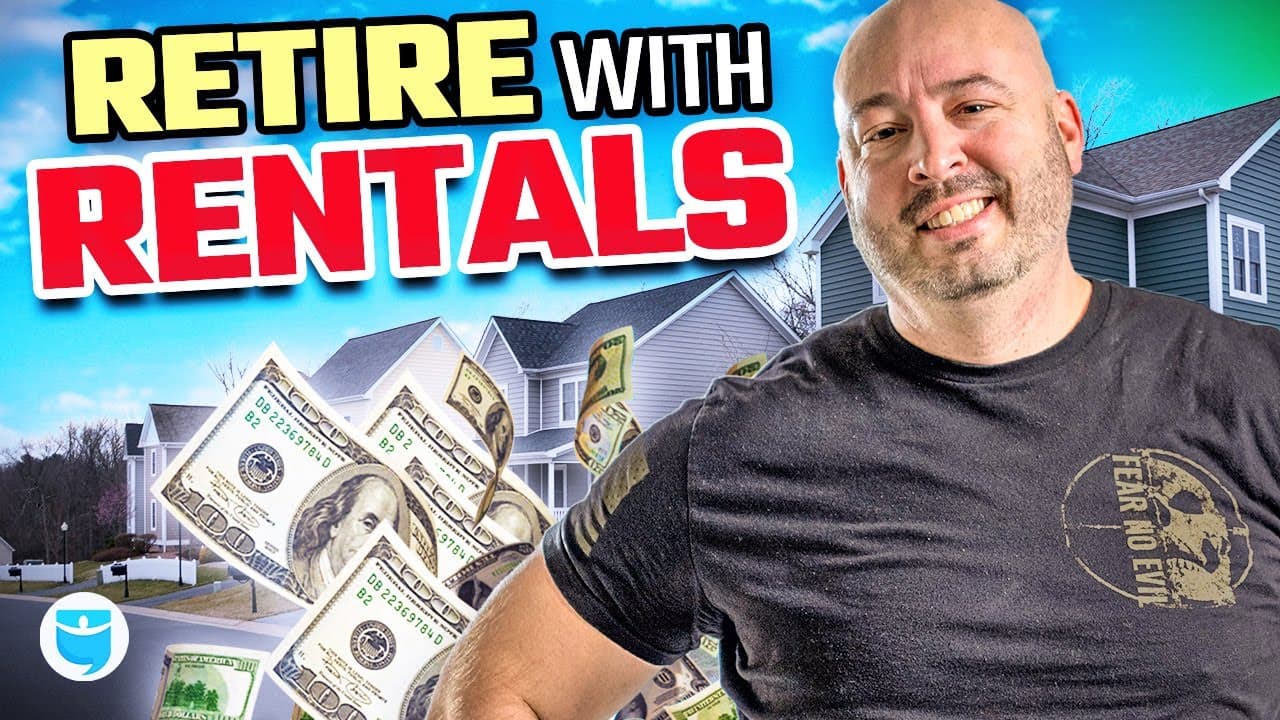
Retiring with real estate is possible even if you start later in life. Focus on adding value to properties you own, such as rehabbing or strategically selling and reinvesting. Consider house hacking and buying in growth markets to maximize long-term gains. Real estate offers more control over equity than cash flow, making it a viable option for building a retirement nest egg.
Transcript
this is the BiggerPockets podcast show lucky number 777 you don't have to buy more real estate you have to continually be active in adding value to the real estate you have and when you've got to the point that you've increased the value as much as you can by doing the rehabs after you've already bought it at a great price sell it or keep it as a r... Read More
Key Insights
- Real estate investing can still lead to retirement even if started later in life.
- Adding value to properties is crucial; consider rehabbing or strategic selling.
- House hacking can significantly reduce living expenses and increase savings.
- Investing in high-growth markets can lead to better long-term equity gains.
- Cash flow is less controllable than equity; focus on building equity first.
- Consider renting out parts of your property to maximize income.
- Equity can be converted to cash flow later when nearing retirement.
- Real estate meetups are valuable for learning about local market opportunities.
Install to Summarize YouTube Videos and Get Transcripts
Explore YouTube Video Summarizer or Get YouTube Transcript Extractor
Questions & Answers
Q: How can I retire with real estate if I start investing later in life?
Retiring with real estate is possible even if you start later. Focus on adding value to properties you own by rehabbing or strategically selling and reinvesting. House hacking can reduce expenses and increase savings, while investing in growth markets can maximize long-term equity gains. Convert equity to cash flow as you near retirement for a steady income stream.
Q: What should I consider when deciding between renting and buying a primary residence?
Consider long-term financial benefits when choosing between renting and buying. While renting may initially seem cheaper, buying locks in mortgage rates and allows for potential appreciation and equity growth. House hacking, such as renting out parts of your home, can offset costs, making ownership more financially viable over time.
Q: How does house hacking benefit real estate investors?
House hacking involves living in one part of a property while renting out other parts, significantly reducing living expenses and increasing savings. It allows investors to generate income from their primary residence, making it easier to save for future investments and build a real estate portfolio over time.
Q: Why is focusing on equity more beneficial than cash flow in real estate investing?
Equity offers more control and potential for growth compared to cash flow, which is market-dependent. By focusing on equity, investors can buy properties below market value, force appreciation through improvements, and benefit from market appreciation. Equity can later be converted to cash flow, providing income during retirement.
Q: What are the benefits of investing in high-growth real estate markets?
High-growth markets offer potential for significant appreciation, increasing property values over time. These markets often attract more demand, leading to higher rents and property values. Investing in such areas can enhance long-term equity gains, making it a strategic choice for building wealth through real estate.
Q: How can real estate meetups help investors?
Real estate meetups provide valuable opportunities for networking and learning about local market conditions. They allow investors to share experiences, discuss strategies, and gain insights into market trends and opportunities. This information can help investors make informed decisions and overcome challenges in their investing journey.
Q: What is the four percent rule in retirement planning?
The four percent rule suggests withdrawing 4% of your retirement portfolio annually to ensure your savings last throughout retirement. It assumes a balanced investment strategy that generates sufficient returns to cover withdrawals without depleting the principal. However, consider inflation and market conditions as they may affect its effectiveness.
Q: How can I convert real estate equity into cash flow for retirement?
Convert real estate equity into cash flow by selling appreciated properties and reinvesting in cash flow-heavy assets, such as rental properties or dividend stocks. Alternatively, use strategies like refinancing or leveraging equity to purchase income-generating investments that provide a steady cash flow during retirement.
Summary & Key Takeaways
-
Retiring with real estate is achievable even for late starters. Focus on adding value to properties through rehabs or strategic sales and reinvestments. House hacking can reduce living expenses and increase savings, while investing in high-growth markets can enhance long-term equity gains.
-
Building equity is more controllable than cash flow, making it a key focus for retirement planning. Converting equity to cash flow can be done later in life, ensuring a steady income stream during retirement.
-
Real estate meetups provide essential local market insights and networking opportunities, helping investors make informed decisions and overcome market challenges.
Read in Other Languages (beta)
Share This Summary 📚
Summarize YouTube Videos and Get Video Transcripts with 1-Click
Try YouTube Summary with ChatGPT & Claude or YouTube Transcript Generator
Explore More Summaries from BiggerPockets 📚




Summarize YouTube Videos and Get Video Transcripts with 1-Click
Try YouTube Summary with ChatGPT & Claude or YouTube Transcript Generator