Stellar Encounters and Scholz's Star
TL;DR
The universe's vastness may make interstellar colonization seem distant, but stars passing close to our solar system offer potential opportunities for future colonization.
Transcript
We often think of the universe as being dauntingly large, so much so that traveling to the nearest star system, currently Proxima Centauri, seems only just within theoretical reach and even then, it will take many years to accomplish getting there. As a result, the idea of actually colonizing worlds that orbit other stars seems far in the future, s... Read More
Key Insights
- 🤩 The passage of Scholz's star within the outer Oort cloud 70,000 years ago suggests that close encounters between stars and our solar system have happened in the past.
- 🤩 Stars passing close to our solar system offer potential opportunities for interstellar colonization without the need for long-distance space travel.
- 🤩 There are other stars like Gliese 710 and HIP 85605 projected to pass even closer to our solar system in the future.
- 🤩 Close stellar encounters may pose risks to life on Earth if certain star types cause detrimental effects like increased ultraviolet radiation.
- 🤩 The passing of stars close to our solar system may result in the receding of any colonized worlds, leading to eventual loss of meaningful communication.
- 😚 Technological advancements in the next million years may allow us to intercept and utilize any comets disturbed by close stellar encounters for resources.
- 😚 Our understanding of close stellar encounters is continually evolving with advancements in astronomical equipment and research.
Install to Summarize YouTube Videos and Get Transcripts
Explore YouTube Video Summarizer or Get YouTube Transcript Extractor
Questions & Answers
Q: How close did Scholz's star come to our solar system, and when did this encounter happen?
Scholz's star passed within the outer Oort cloud of our solar system 70,000 years ago, coming within less than a light-year of our sun.
Q: Are there other stars that will pass even closer to our solar system in the future?
Yes, stars like Gliese 710 and HIP 85605 are projected to pass within much closer distances, potentially reaching deep into the Oort cloud.
Q: Why are stars passing close to our solar system significant for interstellar colonization?
Close encounters with stars offer possibilities for future colonization without the need for long-distance space travel, making colonization relatively easier from a logistical standpoint.
Q: What are the risks associated with close stellar encounters?
If the wrong kind of star passes close to our solar system, it could lead to deadly ultraviolet light exposure or even a supernova explosion, posing a threat to life on Earth.
Summary & Key Takeaways
-
Interstellar colonization is often considered a distant possibility, but stars passing close to our solar system may offer easier colonization opportunities compared to distant stars.
-
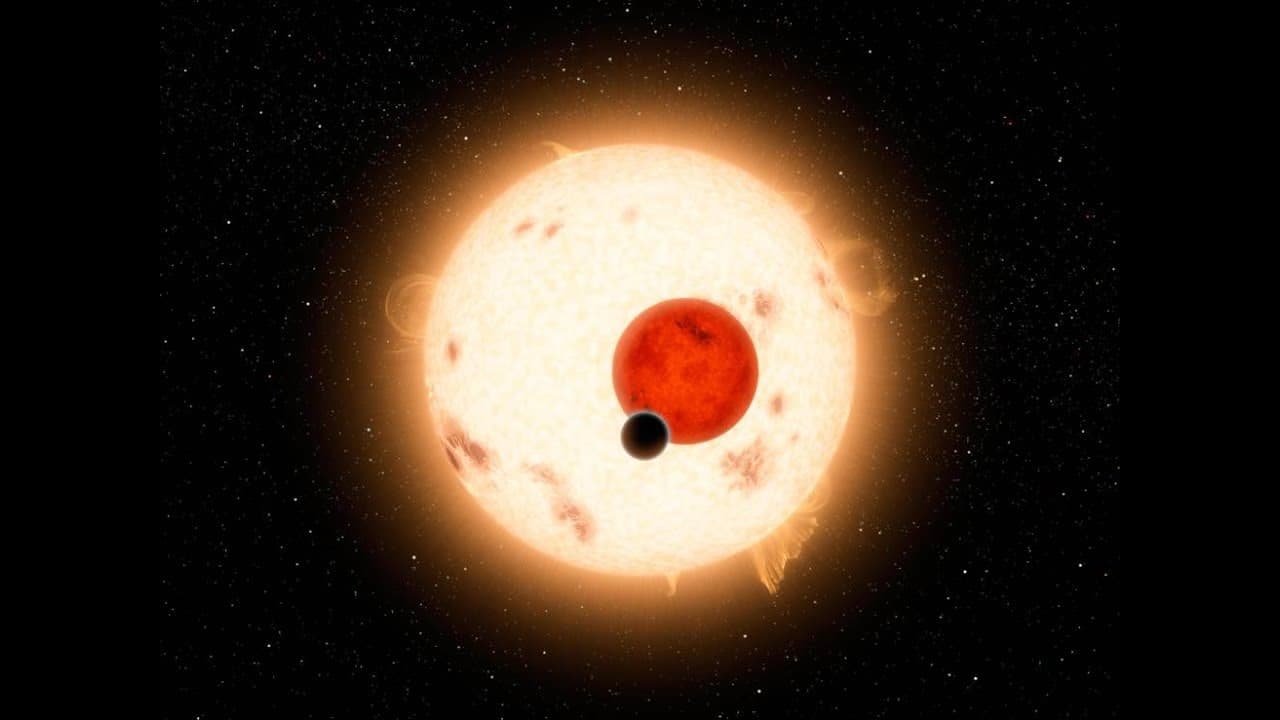
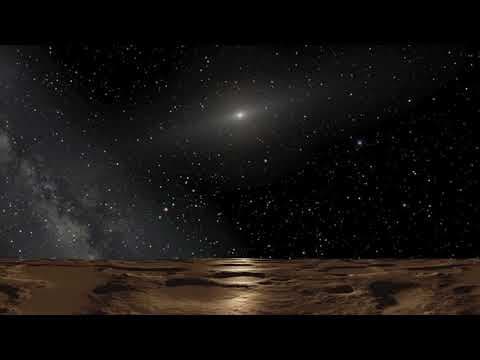
Scholz's star, a double star system, passed within the outer Oort cloud of our solar system 70,000 years ago, showing that such encounters have occurred in the past.
-
Other stars like Gliese 710 and HIP 85605 are projected to pass even closer to our solar system in the future, potentially offering opportunities for colonization.
Read in Other Languages (beta)
Share This Summary 📚
Summarize YouTube Videos and Get Video Transcripts with 1-Click
Try YouTube Summary with ChatGPT & Claude or YouTube Transcript Generator
Explore More Summaries from John Michael Godier 📚


Summarize YouTube Videos and Get Video Transcripts with 1-Click
Try YouTube Summary with ChatGPT & Claude or YouTube Transcript Generator