Why Did Trump Deport Venezuelans to El Salvador?

TL;DR
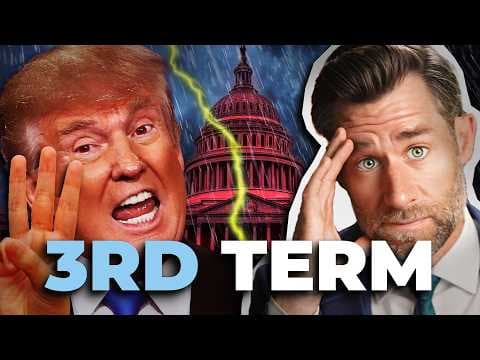
The Trump Administration deported over 200 alleged Venezuelan gang members to El Salvador, defying a federal judge's order. The deportations were executed under the 1798 Alien Enemies Act, which the administration claimed was necessary to address gang-related crimes. Critics argue this action violates due process and challenges constitutional norms.
Transcript
- This is a very, very dark time because it looks like the President has finally violated a direct court order. The Trump Administration is claiming that they can deport anyone, including presumably American citizens without due process simply by calling them a member of a gang, which has been labeled as a terrorist organization, claiming authority... Read More
Key Insights
- The Trump Administration deported alleged members of the Tren de Aragua gang to El Salvador despite a federal judge's order to halt the actions.
- The deportations were justified using the 1798 Alien Enemies Act, a law historically applied during wartime.
- Critics argue that the use of the Alien Enemies Act is unconstitutional as it was applied without a formal declaration of war.
- The deported individuals were denied due process, with reports indicating some were not gang members but were labeled as such due to tattoos.
- The deportations proceeded even after Judge James Boasberg directed the planes to turn around, raising questions about executive defiance of judicial orders.
- The administration's actions have been criticized as a significant challenge to constitutional norms and the rule of law.
- The Alien Enemies Act has rarely been used and typically only during declared wars, making its application in this context unprecedented.
- The deportations have sparked legal challenges, emphasizing the need for due process and questioning the legality of the administration's actions.
Install to Summarize YouTube Videos and Get Transcripts
Explore YouTube Video Summarizer or Get YouTube Transcript Extractor
Questions & Answers
Q: How did the Trump Administration justify the deportation of Venezuelans?
The Trump Administration justified the deportation of Venezuelans by invoking the 1798 Alien Enemies Act, claiming it was necessary to address the involvement of the Tren de Aragua gang in crimes such as kidnapping, extortion, and contract killings. The administration argued that these deportations were essential for national security, despite the lack of a formal declaration of war against Venezuela.
Q: What legal challenges have been raised against the deportations?
Legal challenges against the deportations focus on the lack of due process and the constitutionality of using the Alien Enemies Act. Critics argue that the act has historically been applied only during declared wars, and its use in this context is unprecedented. The deported individuals were denied hearings, and some were reportedly not gang members. The legal challenges emphasize the need for due process protections under the Fifth Amendment.
Q: Why is the use of the Alien Enemies Act controversial in this case?
The use of the Alien Enemies Act is controversial because it has historically been applied during declared wars, not for criminal organizations like the Tren de Aragua gang. Critics argue that the application of the act in this context is an unprecedented power grab and violates constitutional norms. The act's use bypasses due process protections, raising concerns about executive overreach and potential abuse of power.
Q: What are the implications of defying a federal judge's order in this case?
Defying a federal judge's order in this case raises significant concerns about the rule of law and the separation of powers. The Trump Administration's actions challenge constitutional norms and set a precedent for executive defiance of judicial orders. This defiance undermines the judiciary's authority and raises questions about the balance of power between branches of government, potentially leading to further legal and constitutional challenges.
Q: What is the significance of the 1798 Alien Enemies Act?
The 1798 Alien Enemies Act is significant as it grants the President authority to detain or deport immigrants from nations with which the U.S. is at war. Historically, it has been used during declared wars, such as World War II, to justify internment of enemy aliens. Its application in the context of Venezuelan deportations is controversial, as there is no formal war with Venezuela, raising questions about its constitutionality and relevance.
Q: What role does due process play in immigration cases?
Due process plays a crucial role in immigration cases, ensuring that individuals have the right to challenge government actions affecting their liberty. It provides protections such as formal hearings and legal representation, allowing individuals to present evidence and contest deportation orders. The lack of due process in the Venezuelan deportations raises significant legal and constitutional concerns, emphasizing the importance of safeguarding these rights.
Q: How might the Supreme Court view the Alien Enemies Act's constitutionality?
The Supreme Court might scrutinize the Alien Enemies Act's constitutionality, especially given its historical application during declared wars and the potential violation of due process rights. While the act has not been extensively challenged in modern times, the Court could consider its alignment with constitutional protections, such as the Fifth Amendment, and the precedent set by cases involving wartime powers and individual rights.
Q: What is the potential impact of this case on future immigration policies?
The potential impact of this case on future immigration policies is significant, as it could set a precedent for executive power in deportation cases. If the administration's actions are upheld, it may embolden future administrations to bypass due process protections. Conversely, if the courts rule against the use of the Alien Enemies Act in this context, it could reinforce the importance of constitutional safeguards and limit executive overreach in immigration enforcement.
Summary & Key Takeaways
-
The Trump Administration deported over 200 alleged Venezuelan gang members to El Salvador, ignoring a federal judge's order to halt such actions. The deportations were justified under the 1798 Alien Enemies Act, which the administration claimed was necessary to combat gang-related crimes. Critics argue this move violates due process and challenges constitutional norms, as the act has historically been applied only during declared wars.
-
Despite a court order to stop the deportations, the Trump Administration proceeded, arguing that individuals in transit were beyond the court's jurisdiction. This action has been criticized as an unprecedented challenge to the Constitution and the rule of law. Legal experts question the use of the Alien Enemies Act in this context, emphasizing the need for due process protections.
-
The deportations have sparked legal challenges, with plaintiffs arguing that the lack of due process violates the Fifth Amendment. The administration's actions have raised concerns about executive overreach and the potential for abuse of power, as individuals were deported without formal hearings and some were reportedly not gang members but labeled as such due to tattoos.
Read in Other Languages (beta)
Share This Summary 📚
Summarize YouTube Videos and Get Video Transcripts with 1-Click
Try YouTube Summary with ChatGPT & Claude or YouTube Transcript Generator
Explore More Summaries from LegalEagle 📚





Summarize YouTube Videos and Get Video Transcripts with 1-Click
Try YouTube Summary with ChatGPT & Claude or YouTube Transcript Generator