17. Punishment I
TL;DR
Punishment serves as a means to restore justice and moral desert, either through retribution or as a deterrent for future harm.
Transcript
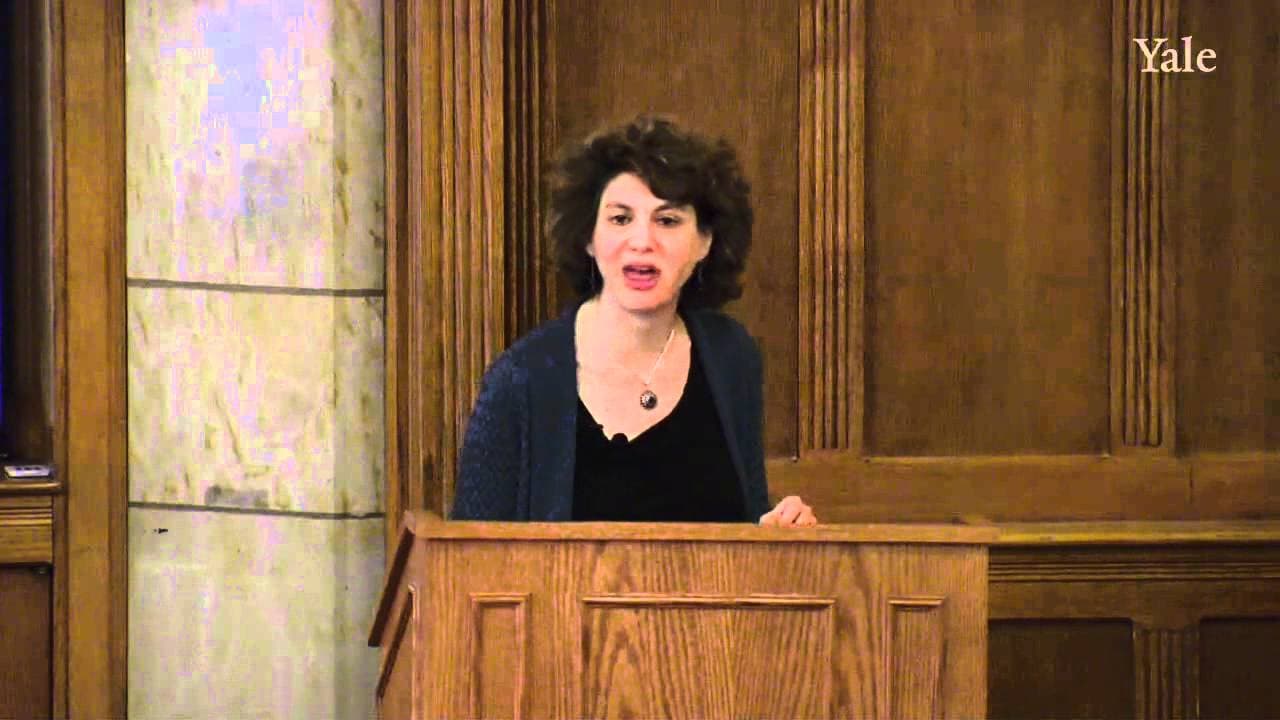
PROFESSOR: So what I want to do in today's lecture is to move us on to a topic not unrelated to the one that we were addressing before March break. So as you recall, what we were thinking about before March break were the relations that people bear to one another as far as moral responsibility goes. You might think the first part of the course, the... Read More
Key Insights
- 👨⚖️ Punishment serves to restore justice, either through retribution or as a means to prevent future harm.
- 😊 Restitution aims to restore the pre-harm state for victims, while rehabilitation seeks to reintegrate offenders into pro-social behavior.
- ⚾ Retribution is based on the idea that criminals deserve penalty for their actions, regardless of the potential consequences or benefits for society.
Install to Summarize YouTube Videos and Get Transcripts
Explore YouTube Video Summarizer or Get YouTube Transcript Extractor
Questions & Answers
Q: What is retribution and how does it differ from revenge?
Retribution involves the belief that criminals deserve penalty in proportion to the harm they caused, restoring justice. Revenge, on the other hand, seeks personal satisfaction or retribution for a specific harm or slight, often with no limits in terms of harm inflicted.
Q: How does punishment contribute to deterrence and prevention?
Punishment can act as a deterrent by discouraging individuals from engaging in harmful behavior due to the fear of facing similar negative consequences. It prevents future harm by incapacitating offenders or rehabilitating them to restore pro-social behavior.
Q: What is the significance of restitution and rehabilitation in punishment?
Restitution aims to restore the pre-harm state for the victim and involves returning stolen property or replacing the harm caused. Rehabilitation seeks to reintegrate offenders into society, promoting pro-social behavior and preventing future harm.
Q: How does punishment relate to the concept of moral desert?
Punishment based on moral desert means that criminals receive a penalty proportional to their offense or violation of moral codes. This view holds that individuals deserve to be penalized for their actions, regardless of the potential consequences or benefits for society.
Summary & Key Takeaways
-
Punishment involves inflicting suffering on an individual in response to a legal or moral offense.
-
Retributivism justifies punishment based on the idea that criminals deserve to be penalized for their actions.
-
Restitution aims to restore the pre-harm state for the victim, while rehabilitation seeks to reintegrate offenders into pro-social behavior.
-
Punishment can be forward-looking, aiming to prevent future harm, or backward-looking, focused on restoring justice and moral balance.
Read in Other Languages (beta)
Share This Summary 📚
Summarize YouTube Videos and Get Video Transcripts with 1-Click
Try YouTube Summary with ChatGPT & Claude or YouTube Transcript Generator
Explore More Summaries from YaleCourses 📚






Summarize YouTube Videos and Get Video Transcripts with 1-Click
Try YouTube Summary with ChatGPT & Claude or YouTube Transcript Generator