Why Engineers Invent Floods
TL;DR
Engineers design infrastructure to manage flood risks using synthetic storm data.
Transcript
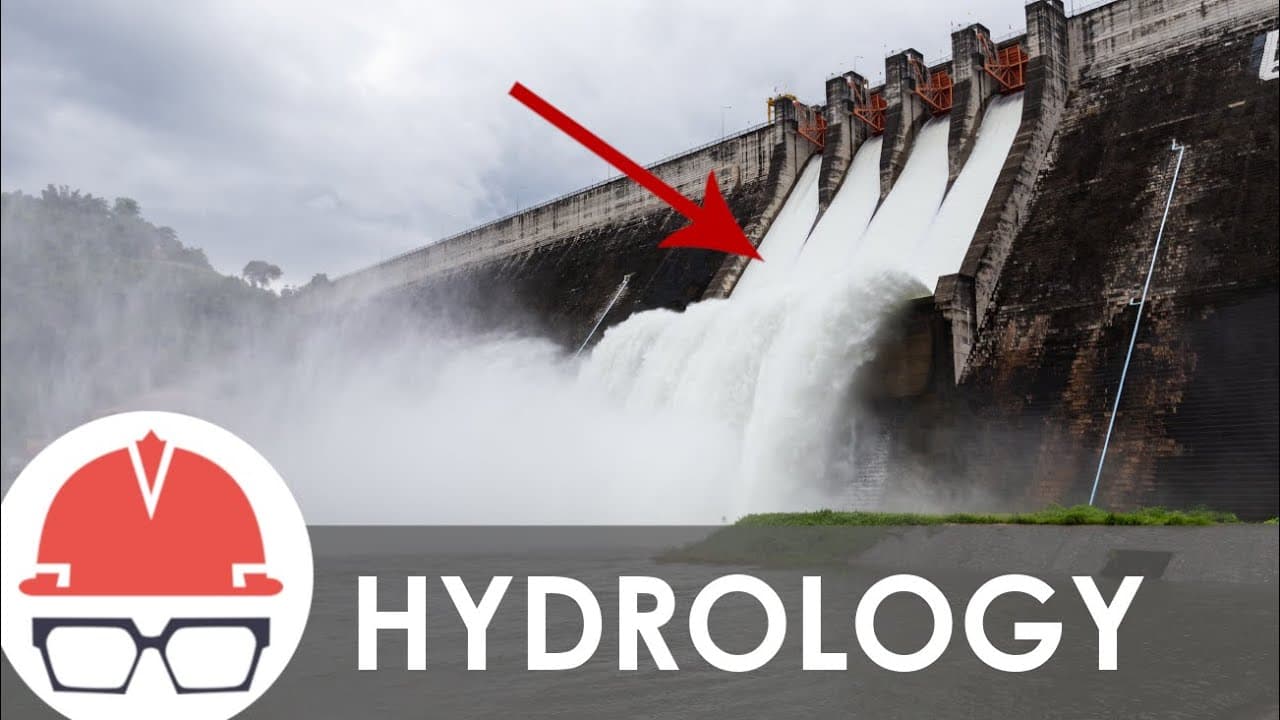
Although it’s an entirely normal and natural process on earth, flooding represents a huge problem for people. Every year we collectively throw billions of dollars essentially into the trash because of flood damage to property, buildings, vehicles, and equipment. But, it’s not just private property that is affected. Nearly every part of the construc... Read More
Key Insights
- Flooding is a natural process but poses significant challenges for infrastructure, requiring billions in damage repairs annually.
- Engineers must balance cost and capacity when designing infrastructure to handle flood risks, using statistical data on storm probabilities.
- The concept of a floodplain helps determine areas at risk of flooding, though it's based on historical data and may not fully predict future vulnerabilities.
- Stream gages provide historical flood data but are costly and limited to specific watersheds, whereas rain gauges offer broader, more accessible rainfall data.
- Atlas 14 is a tool that provides statistical relationships between rainfall volume, duration, and probability across the U.S., aiding flood risk assessment.
- Synthetic storm events, like the 100-year storm, help engineers estimate flood risks and design infrastructure accordingly, though they are theoretical constructs.
- Critical infrastructure, such as dams, must withstand extreme events like probable maximum precipitation, a calculated worst-case scenario for rainfall.
- Flood management strategies are evolving to emphasize natural watershed processes and ecosystem services, aiming to improve resilience and sustainability.
Install to Summarize YouTube Videos and Get Transcripts
Explore YouTube Video Summarizer or Get YouTube Transcript Extractor
Questions & Answers
Q: Why is flooding a significant issue for infrastructure?
Flooding is a significant issue for infrastructure because it can cause extensive damage to property, buildings, vehicles, and equipment, leading to substantial financial losses. Nearly every part of the constructed environment, including culverts, bridges, sewers, and dams, is vulnerable to heavy rainfall, necessitating careful design to manage flood risks effectively.
Q: How do engineers decide on infrastructure design for flood management?
Engineers decide on infrastructure design for flood management by balancing cost and capacity. They use statistical data on storm probabilities to estimate the likelihood of different storm magnitudes and design infrastructure to handle expected flood levels. This process involves considering the probability of storm events and the potential impact on infrastructure.
Q: What role do synthetic storm events play in flood risk assessment?
Synthetic storm events, such as the 100-year storm, play a crucial role in flood risk assessment by providing theoretical constructs that help engineers estimate the magnitude and impact of potential flood events. These synthetic events guide infrastructure design decisions, ensuring structures can handle anticipated flood risks without being overbuilt, which would be economically inefficient.
Q: How do stream gages and rain gauges contribute to flood risk management?
Stream gages and rain gauges contribute to flood risk management by providing historical data on flood events and rainfall patterns, respectively. Stream gages record the magnitude of past floods, helping engineers understand flood recurrence intervals, while rain gauges offer broader, more accessible rainfall data, aiding in the statistical analysis of flood risks across different regions.
Q: What is Atlas 14, and how does it aid in flood risk assessment?
Atlas 14 is a tool that offers statistical relationships between rainfall volume, duration, and probability for nearly all U.S. regions. It aids in flood risk assessment by providing engineers with data to estimate the likelihood and impact of various rainfall events, helping them design infrastructure that can effectively manage flood risks based on local conditions.
Q: Why is the concept of a floodplain important in flood management?
The concept of a floodplain is important in flood management because it identifies areas most likely to be impacted by flooding, allowing for better planning and risk mitigation. Understanding floodplain boundaries helps engineers and planners make informed decisions about where to build infrastructure and how to design it to withstand potential flood events.
Q: What is probable maximum precipitation, and why is it significant for dam design?
Probable maximum precipitation is a calculated worst-case scenario for rainfall, representing the most extreme rainstorm possible given current meteorological knowledge. It is significant for dam design because dams must be able to withstand such extreme events to prevent catastrophic failures, ensuring public safety and protecting downstream communities from potential flood disasters.
Q: How is flood management evolving to improve resilience and sustainability?
Flood management is evolving to improve resilience and sustainability by emphasizing natural watershed processes and ecosystem services. This approach seeks to integrate natural systems into flood management strategies, enhancing the ability of landscapes to absorb and mitigate floodwaters naturally, reducing reliance on engineered structures and promoting environmental health and sustainability.
Summary & Key Takeaways
-
Flooding presents a significant challenge for infrastructure, requiring careful design to balance costs and flood risk management. Engineers use statistical data to estimate storm probabilities and design infrastructure accordingly, often employing synthetic storm events to guide their decisions.
-
Stream gages and rain gauges are essential tools for understanding historical flood data and rainfall patterns, respectively. Atlas 14 provides statistical data on rainfall, aiding engineers in assessing flood risks and designing infrastructure to manage those risks effectively.
-
Critical infrastructure, such as dams, is designed to withstand extreme events like probable maximum precipitation. The field of engineering hydrology continues to evolve, with a growing emphasis on natural watershed processes and ecosystem services to improve flood resilience.
Read in Other Languages (beta)
Share This Summary 📚
Summarize YouTube Videos and Get Video Transcripts with 1-Click
Try YouTube Summary with ChatGPT & Claude or YouTube Transcript Generator
Explore More Summaries from Practical Engineering 📚


Summarize YouTube Videos and Get Video Transcripts with 1-Click
Try YouTube Summary with ChatGPT & Claude or YouTube Transcript Generator