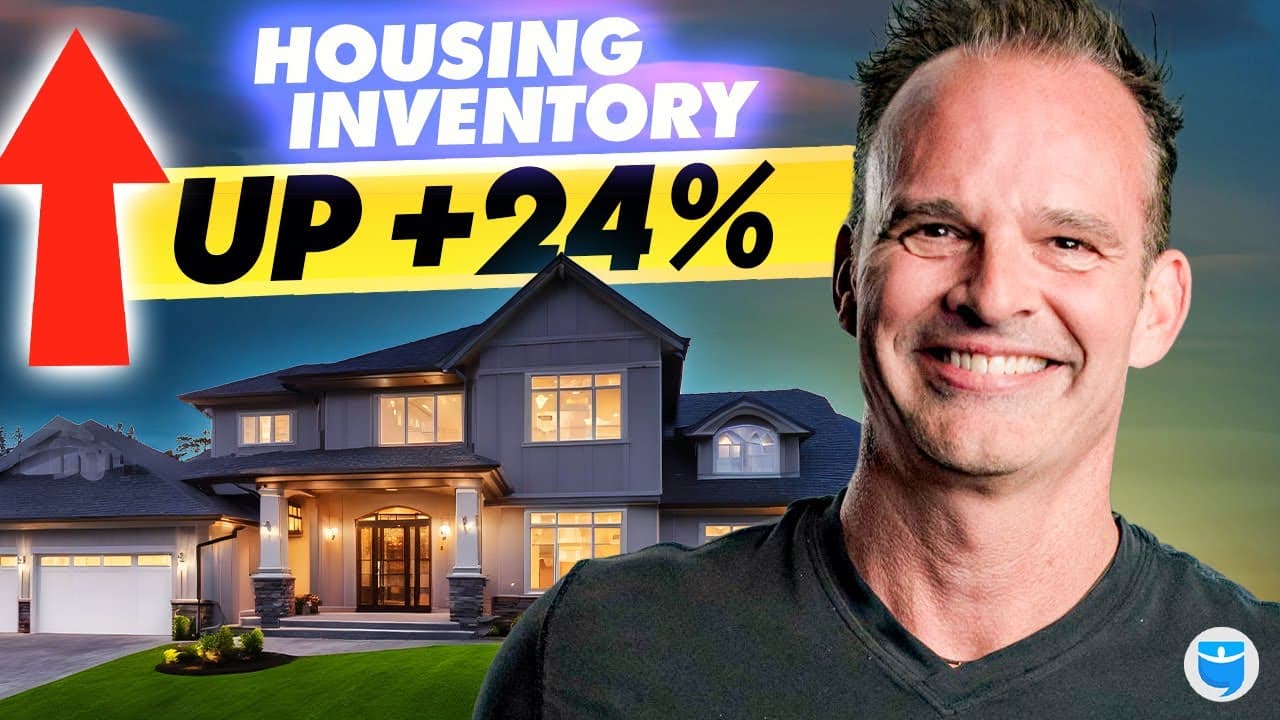
Housing Inventory Up 24%, Are We Returning to “Normal”?
TL;DR
Housing inventory is up 24%, signaling a shift in market dynamics.
Transcript
hi investors welcome to the Bigger Pockets podcast I'm your host today Dave Meyer and that means we have a bigger news episode in these bigger news episodes we take a look at some of the news some of the data some of the trends that are impacting Our Lives as Real Estate Investors and today we have a really cool episode we have a great guest Mike S... Read More
Key Insights
- Housing inventory has increased by 24% year-over-year, indicating a shift towards more balanced market conditions.
- Despite the rise, current inventory levels remain significantly lower than pre-pandemic figures, reflecting ongoing supply challenges.
- Interest rates play a critical role in inventory dynamics; higher rates lead to more inventory, while lower rates spur demand and reduce inventory.
- Regional differences in inventory trends are notable, with Gulf States experiencing significant increases, while some Midwest and Northeast areas remain low.
- Price cuts can signal market softening; currently, some regions like Fort Meyers show higher-than-normal price reductions.
- The long-term trend of declining inventory since the Great Recession may reverse if higher interest rates persist, allowing inventory levels to rebuild.
- Understanding inventory trends helps investors make informed decisions about when to buy or sell, considering both supply and demand factors.
- Future market conditions will depend heavily on interest rate movements and their impact on buyer and seller behaviors.
Install to Summarize YouTube Videos and Get Transcripts
Explore YouTube Video Summarizer or Get YouTube Transcript Extractor
Questions & Answers
Q: What is the current state of housing inventory?
As of the end of March, there are approximately 513,000 single-family homes on the market, which is 24% more than last year and 102% more than two years ago. However, this is still significantly lower than pre-pandemic levels when inventory was around a million homes.
Q: How does inventory affect housing market dynamics?
Inventory levels indicate the balance between supply and demand in the housing market. Low inventory often leads to a seller's market with higher prices, while higher inventory can shift the balance towards a buyer's market, potentially stabilizing or reducing prices.
Q: What role do interest rates play in inventory levels?
Interest rates are crucial in shaping inventory dynamics. Higher rates tend to slow demand, leading to increased inventory, while lower rates spur demand, reducing inventory as more buyers enter the market.
Q: Why is it important to track inventory trends in local markets?
Local inventory trends provide insights into specific market conditions, helping investors and buyers make informed decisions. For instance, rising inventory in a region may indicate softening prices, whereas low inventory could suggest competitive bidding and higher prices.
Q: What are the implications of rising inventory for potential buyers?
Rising inventory offers buyers more selection and potentially more negotiating power. However, it also depends on interest rates; if rates fall, increased demand could quickly absorb excess inventory, leading to renewed competition.
Q: How do price cuts relate to inventory levels?
Price cuts often indicate softening demand or an excess of supply. Monitoring the percentage of homes with price cuts can provide additional context on market conditions and potential future price movements.
Q: What is the long-term outlook for housing inventory?
The long-term outlook for inventory depends on interest rate trends. Sustained higher rates could allow inventory to rebuild towards pre-pandemic levels, while falling rates might continue to constrain supply by spurring demand.
Q: How should investors approach current market conditions?
Investors should consider the trade-offs of current market conditions, such as higher rates with more inventory versus lower rates with increased competition. Understanding local inventory trends and interest rate impacts can guide strategic buying or selling decisions.
Summary & Key Takeaways
-
Housing inventory has increased by 24% year-over-year, but remains below pre-pandemic levels. This shift indicates a move towards more balanced market conditions, offering buyers more options.
-
Interest rates significantly influence inventory dynamics. Higher rates tend to increase inventory by slowing demand, while lower rates reduce inventory by spurring buyer activity.
-
Regional variations in inventory trends are evident, with Gulf States seeing substantial increases, while the Midwest and Northeast are just beginning to recover from pandemic lows.
Read in Other Languages (beta)
Share This Summary 📚
Summarize YouTube Videos and Get Video Transcripts with 1-Click
Try YouTube Summary with ChatGPT & Claude or YouTube Transcript Generator
Explore More Summaries from BiggerPockets 📚






Summarize YouTube Videos and Get Video Transcripts with 1-Click
Try YouTube Summary with ChatGPT & Claude or YouTube Transcript Generator