How Fractals Relate to Brain Function and Computing
TL;DR
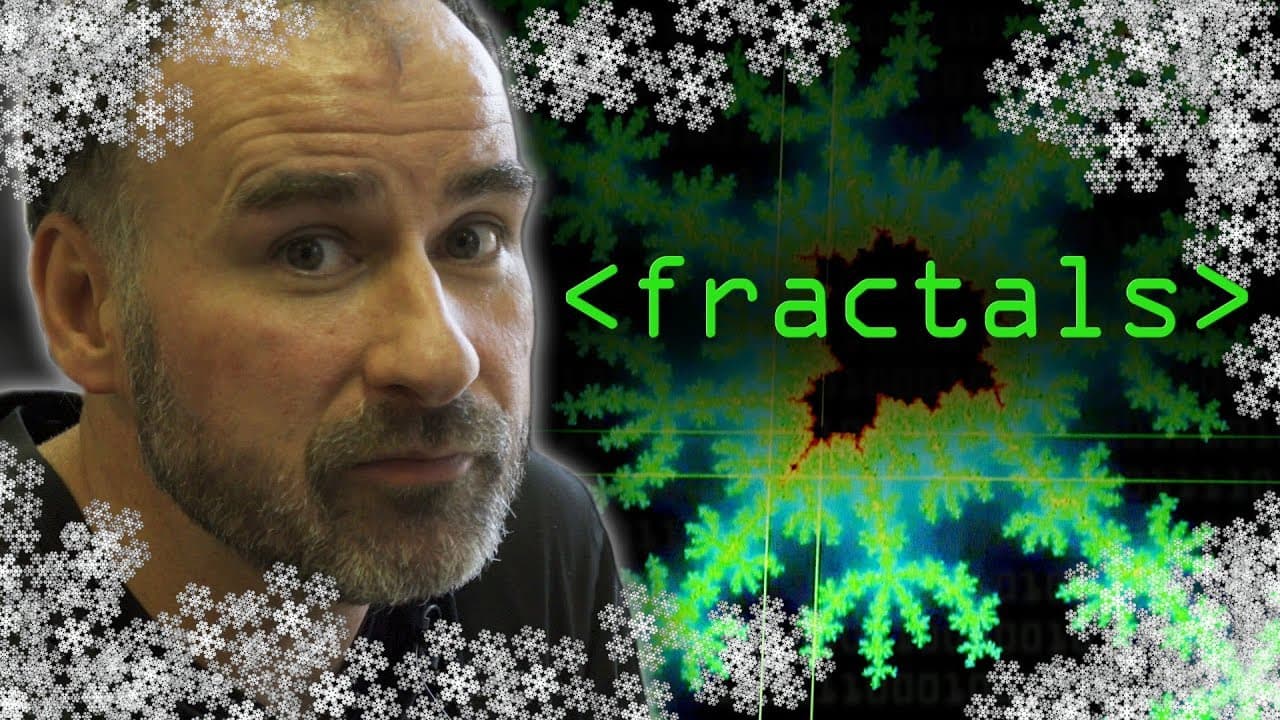
Fractals are complex, self-similar structures present in nature that enhance our understanding of brain function and computational processes. They parallel the brain's networking capabilities, suggesting new avenues for memory storage and neuromorphic computing, which aims to replicate how the brain forms connections.
Transcript
How do we connect Snowflakes fractals the brain computes what where where's this all-star, so we're gonna. Have a look at fractals We first of all have to define what the heck is a fractal. That's the first thing we need to do I'll show you some examples in nature, and then I want to try and connect that to Pretty recent research that's been going ... Read More
Key Insights
- 🤳 Fractals are complex, self-similar structures found in nature and used in computer simulations.
- 🧠 The brain's structure is more similar to fractals than to rigid silicon technology.
- 👾 Fractal structures can store large amounts of data in a confined space, making them important for memory.
- 💁 Neuromorphic structures mimic the brain's plasticity and ability to form new connections, making them valuable for information processing.
- ❓ Fractals can be created using simple algorithms and can exhibit infinite complexity.
- 😫 Fractals have been used in computer simulations, such as the Mandelbrot set.
- 🧠 The connection between fractals and the brain is still being explored, with ongoing research in neuromorphic structures.
Install to Summarize YouTube Videos and Get Transcripts
Explore YouTube Video Summarizer or Get YouTube Transcript Extractor
Questions & Answers
Q: What are fractals and why are they important in information processing?
Fractals are complex, self-similar structures found in nature and used in computer simulations. They can contain large amounts of data in a confined space, making them important for information processing.
Q: How do fractals relate to the brain's structure?
The brain's structure is more similar to fractals than to the rigid structure of silicon technology. Fractal structures, with their branching and randomness, allow for the brain's plasticity and ability to form new connections.
Q: Can fractals be used for memory?
Fractals can potentially be used for memory, as they can contain large amounts of data in a confined space. The self-similar and complex nature of fractals allows for efficient storage and retrieval of information.
Q: What are neuromorphic structures and how do they relate to fractals?
Neuromorphic structures are designed to mimic the brain's ability to form new connections and process information. They are similar to fractals in their branching and complex structure, allowing for more efficient and flexible information processing.
Summary & Key Takeaways
-
Fractals are complex, self-similar structures found in nature and used in computer simulations.
-
The brain's structure is more similar to fractals than to the rigid structure of silicon technology.
-
Fractal structures can contain large amounts of data in a confined space, which has implications for memory.
-
Neuromorphic structures mimic the brain's ability to form new connections and process information.
Read in Other Languages (beta)
Share This Summary 📚
Summarize YouTube Videos and Get Video Transcripts with 1-Click
Try YouTube Summary with ChatGPT & Claude or YouTube Transcript Generator
Explore More Summaries from Computerphile 📚





Summarize YouTube Videos and Get Video Transcripts with 1-Click
Try YouTube Summary with ChatGPT & Claude or YouTube Transcript Generator