The 2022 CSHL Plate Race
TL;DR
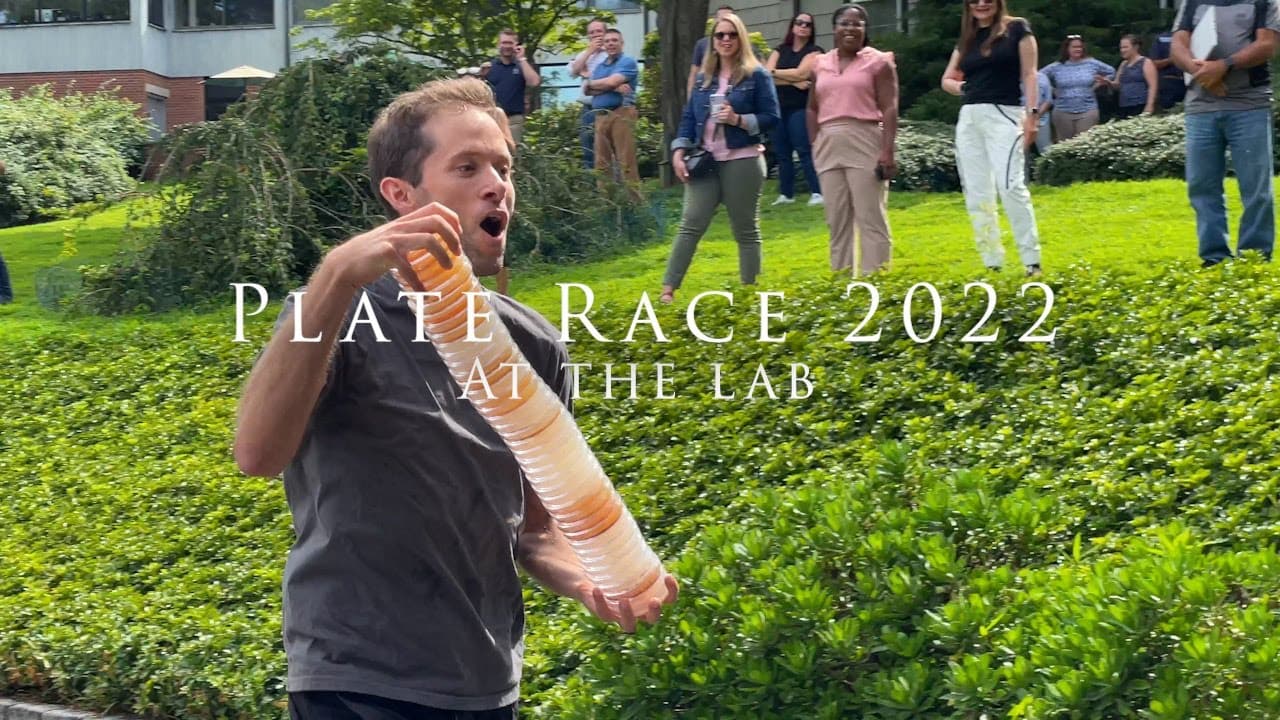
The Plate Race fosters camaraderie among diverse scientific courses.
Transcript
[music, crowd noise] It’s a relay race with 16 runners. There are a few people who are running twice. The Plate Race started out as a contest between two summer courses, the Gene Expression course and the Yeast Genetics course. And over the years, we've included other courses, including courses that don't normally have anything to do with agar plat... Read More
Key Insights
- The Plate Race is a relay event featuring 16 runners, with some participants running twice, highlighting its competitive nature.
- Originally a competition between Gene Expression and Yeast Genetics courses, the race has expanded to include other courses like Imaging and teams from Delbruck.
- The rivalry between Gene Expression and Yeast Genetics courses is intense, adding excitement to the race.
- Participation in the race is seen as a way to build camaraderie among course attendees, who come from diverse global backgrounds.
- The event serves as a fun outlet for participants who are deeply engaged in scientific studies, providing a break from rigorous academic activities.
- The race is a cherished tradition, particularly significant this year as it marks the retirement of a beloved instructor, Karen Adelman.
- The enthusiasm and spirit of the event are captured in the team's names and their preparation, such as the 'Lightning Fast Lasers' team.
- The return of the Plate Race after a two-year hiatus due to the COVID-19 pandemic was met with cheers and excitement from participants and spectators.
Install to Summarize YouTube Videos and Get Transcripts
Explore YouTube Video Summarizer or Get YouTube Transcript Extractor
Questions & Answers
Q: What is the significance of the Plate Race at CSHL?
The Plate Race at CSHL is significant as it fosters camaraderie among participants from various scientific courses. It serves as a fun and engaging activity that allows attendees to bond and blow off steam amidst their rigorous scientific studies. The race is a cherished tradition that brings together diverse individuals, enhancing the sense of community within the institution.
Q: How has the Plate Race evolved over the years?
The Plate Race began as a competition between the Gene Expression and Yeast Genetics courses. Over the years, it has evolved to include other courses like Imaging, which focuses on microscopy, and even teams from Delbruck. This expansion has not only increased participation but also diversified the event, making it more inclusive and fostering greater camaraderie among a broader range of scientific disciplines.
Q: What is the main rivalry in the Plate Race?
The main rivalry in the Plate Race is between the Gene Expression and Yeast Genetics courses. This competition is described as fierce, adding an exciting dynamic to the event. The rivalry is a key highlight of the race, drawing attention and enthusiasm from participants and spectators alike, and contributing to the overall spirit and excitement of the event.
Q: Why was the 2022 Plate Race particularly significant?
The 2022 Plate Race was particularly significant because it marked the return of the event after a two-year hiatus due to the COVID-19 pandemic. Additionally, it was the last race for a beloved instructor, Karen Adelman, who was retiring. This added emotional significance and motivation for participants, especially those who wanted to honor her contributions to the courses and the event.
Q: What role does the Plate Race play for participants?
The Plate Race plays a crucial role for participants by providing a fun and engaging outlet amidst their rigorous scientific studies. It allows them to bond with peers from different courses and backgrounds, fostering a sense of community. The event is a highlight of the courses, offering a break from academic pressures and an opportunity to build lasting friendships and memories.
Q: How do teams prepare for the Plate Race?
Teams prepare for the Plate Race through rigorous practice, often involving night laps and specific techniques like passing plates efficiently. The preparation is taken seriously, reflecting the competitive nature of the event. Teams like the 'Lightning Fast Lasers' emphasize speed and coordination, showcasing their commitment to performing well and embodying the spirit of friendly competition.
Q: What emotions are associated with the Plate Race?
The Plate Race is associated with a wide range of emotions, including excitement, competitiveness, camaraderie, and nostalgia. Participants and spectators experience thrills and cheers during the event, while the retirement of a beloved instructor adds an emotional layer. The race is a celebration of community and tradition, evoking feelings of joy and togetherness among all involved.
Q: How did the audience react to the 2022 Plate Race?
The audience reacted with enthusiasm and excitement to the 2022 Plate Race, as evidenced by the cheering and chanting during the event. The return of the race after a pandemic-induced hiatus was met with great anticipation, and the intense competition, particularly between the main rival courses, added to the lively atmosphere. The event's success was celebrated by all, highlighting its importance as a community-building activity.
Summary & Key Takeaways
-
The 2022 CSHL Plate Race is a relay event with 16 runners, some running twice, showcasing intense competition among scientific courses. Originally between Gene Expression and Yeast Genetics courses, it now includes other courses and teams, fostering camaraderie and providing a fun break from rigorous academic activities.
-
The Plate Race is a cherished tradition at CSHL, returning after a two-year COVID-19 hiatus. It builds camaraderie among global participants and is a fun way to blow off steam. This year's race was especially significant due to the retirement of instructor Karen Adelman.
-
The event features intense rivalry, particularly between the Gene Expression and Yeast Genetics courses. Teams like 'Lightning Fast Lasers' prepare rigorously, and the race serves as a unifying activity, bringing together diverse scientific courses and fostering a sense of community among participants.
Read in Other Languages (beta)
Share This Summary 📚
Summarize YouTube Videos and Get Video Transcripts with 1-Click
Try YouTube Summary with ChatGPT & Claude or YouTube Transcript Generator
Explore More Summaries from Cold Spring Harbor Laboratory 📚
Summarize YouTube Videos and Get Video Transcripts with 1-Click
Try YouTube Summary with ChatGPT & Claude or YouTube Transcript Generator