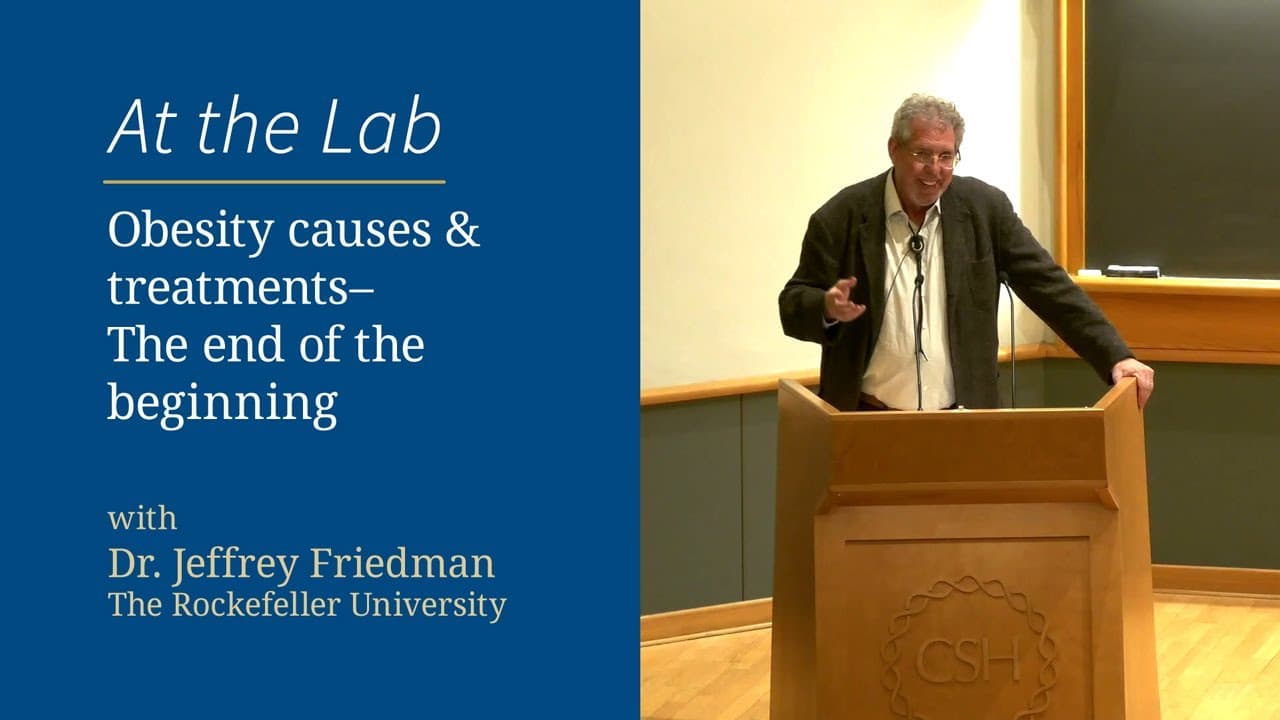
What Causes Obesity and How to Treat It?
TL;DR
Obesity is primarily driven by biological and genetic factors, with environmental influences playing a role. New treatments focus on hormones like GLP-1 to regulate appetite, but they don't address the root cause. Future therapies may target specific neural circuits to provide more effective and personalized solutions.
Transcript
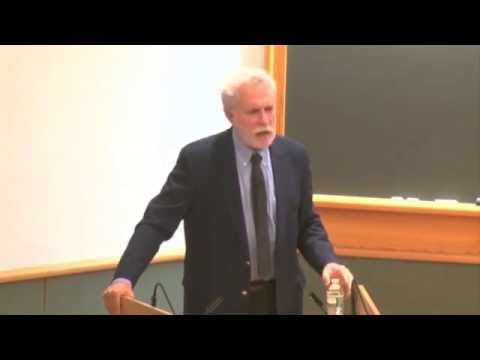
Well, it really is an enormous honor to be here. Thank you, Bruce, for the introduction and the opportunity to speak to all of you today, and I'll just reiterate what Bruce said, which is there are some of the most spectacular scientists in the world participating in this meeting. And I'm really deeply honored to have the opportunity to tell you ab... Read More
Key Insights
- Obesity is largely driven by biological and genetic factors rather than just lifestyle choices.
- Leptin is a hormone that regulates fat storage and appetite by signaling the brain about body fat levels.
- Mutations in the leptin pathway can lead to obesity by disrupting normal appetite regulation.
- Current obesity treatments focus on gut hormones like GLP-1, initially developed for diabetes management.
- GLP-1 based drugs, such as semaglutide, reduce appetite and lead to significant weight loss.
- These drugs act on the brain's satiety centers, but they can cause side effects like nausea and require lifelong use.
- Future therapies may include tailored treatments targeting specific genetic or neural pathways.
- Research continues to explore how to maintain weight loss and minimize side effects of current treatments.
Install to Summarize YouTube Videos and Get Transcripts
Explore YouTube Video Summarizer or Get YouTube Transcript Extractor
Questions & Answers
Q: What role does leptin play in obesity?
Leptin is a hormone produced by fat cells that helps regulate body weight by signaling the brain to reduce appetite and increase energy expenditure when fat stores are sufficient. In individuals with leptin resistance, this signaling is impaired, leading to increased food intake and weight gain. Understanding leptin's role is crucial for developing effective obesity treatments.
Q: How do GLP-1 based treatments work for obesity?
GLP-1 based treatments, such as semaglutide, work by mimicking the action of the GLP-1 hormone, which enhances feelings of fullness and reduces appetite. These drugs were initially developed for diabetes management but have shown significant weight loss effects by targeting the brain's satiety centers. They require long-term use and may cause side effects like nausea.
Q: Why is obesity considered a genetic disorder?
Obesity is considered a genetic disorder because studies show a strong hereditary component, with identical twins often having similar body weights. Genetic mutations, particularly in the leptin signaling pathway, can predispose individuals to obesity by affecting appetite regulation and energy balance, making it more challenging to maintain a healthy weight.
Q: What are the limitations of current obesity treatments?
Current obesity treatments, such as GLP-1 based drugs, can effectively reduce weight but have limitations. They often cause gastrointestinal side effects like nausea and require lifelong use to maintain weight loss. Additionally, they do not address the root causes of obesity, such as leptin resistance, and not all patients respond equally to these treatments.
Q: How do genetic factors contribute to obesity?
Genetic factors contribute to obesity by influencing how the body regulates appetite, energy expenditure, and fat storage. Mutations in genes related to the leptin signaling pathway, for example, can disrupt normal appetite control, leading to increased food intake and weight gain. Genetic predispositions can make some individuals more susceptible to obesity than others.
Q: What future developments are expected in obesity treatment?
Future developments in obesity treatment are expected to focus on personalized therapies that target specific genetic or neural pathways. Researchers aim to develop drugs that address the root causes of obesity, such as leptin resistance, and maintain weight loss without adverse effects. Advances in understanding neural circuits involved in appetite regulation may lead to more effective and individualized treatments.
Q: Why do GLP-1 treatments require lifelong use?
GLP-1 treatments require lifelong use because they provide a pharmacological effect that suppresses appetite and induces weight loss. Once the treatment is stopped, the body's homeostatic mechanisms can lead to weight regain. Continuous use helps maintain the weight loss achieved, but it also underscores the need for treatments that address the underlying causes of obesity.
Q: What are the side effects of GLP-1 based obesity treatments?
GLP-1 based obesity treatments can cause side effects such as nausea, vomiting, and gastrointestinal discomfort. These symptoms are linked to the drugs' action on the brain's satiety centers, which can lead to feelings of fullness and reduced appetite. In some cases, these side effects may lead patients to discontinue the treatment, highlighting the need for better-tolerated therapies.
Summary & Key Takeaways
-
Obesity is influenced by a complex interplay of genetic, biological, and environmental factors. The hormone leptin plays a crucial role in regulating body weight by signaling the brain about fat stores, but resistance to leptin can lead to obesity. Current treatments focus on gut hormones like GLP-1, which reduce appetite and cause weight loss.
-
GLP-1 based treatments, initially developed for diabetes, have shown significant results in weight reduction. However, they require long-term use and can cause side effects like nausea. These drugs target the brain's satiety centers, but they do not address the underlying causes of obesity, such as leptin resistance.
-
Future obesity treatments may involve personalized approaches targeting specific genetic or neural pathways. Research aims to develop therapies that not only promote weight loss but also maintain it without adverse effects. The goal is to create more effective and individualized solutions to combat obesity.
Read in Other Languages (beta)
Share This Summary 📚
Summarize YouTube Videos and Get Video Transcripts with 1-Click
Try YouTube Summary with ChatGPT & Claude or YouTube Transcript Generator
Explore More Summaries from Cold Spring Harbor Laboratory 📚
Summarize YouTube Videos and Get Video Transcripts with 1-Click
Try YouTube Summary with ChatGPT & Claude or YouTube Transcript Generator