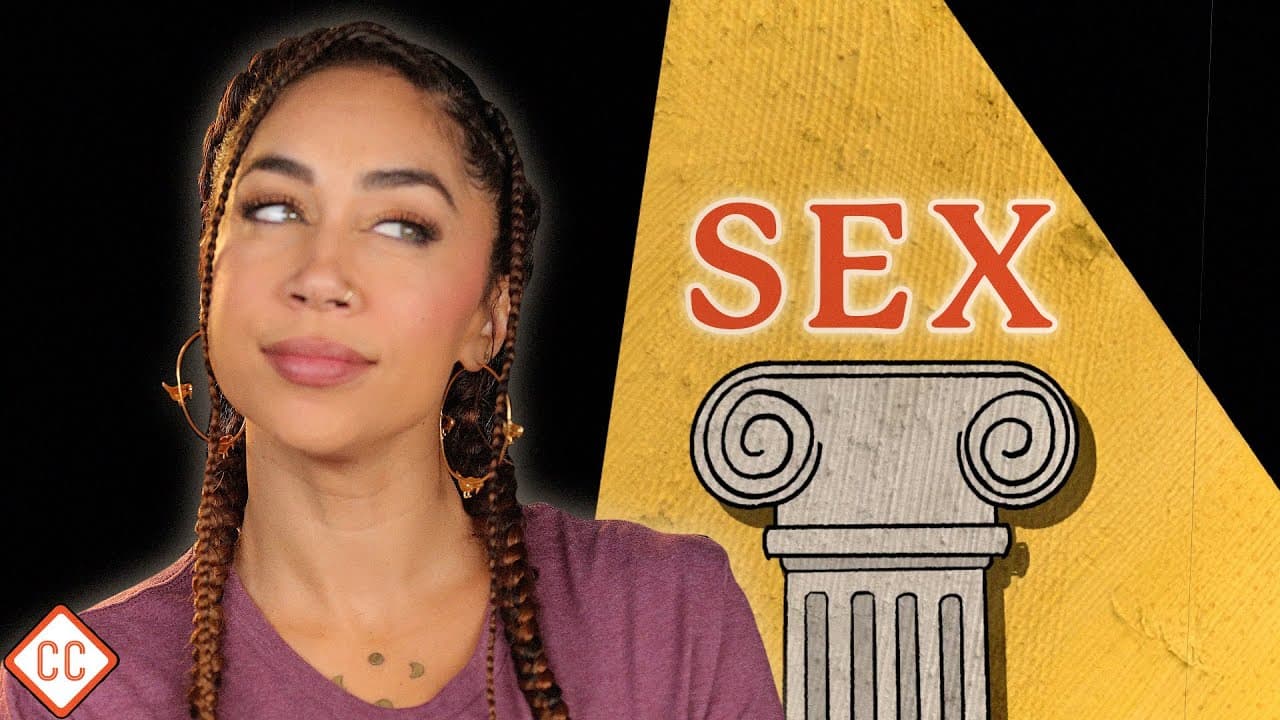
What is sex?: Sex Ed #1
TL;DR
Sexuality is diverse and culturally influenced.
Transcript
Have you had sex? If not, no big deal. And if you’re like, “Yeah, done it, currently doing it,” okay, yes, go off. But either way… how do you know? Like, most people would agree “penis in vagina equals S-E-X.” But what about mouth stuff? Hand stuff? Butt stuff? When it comes to doing it… what actually counts as it? Hi! I’m Shan Boodram, and thi... Read More
Key Insights
- Sexuality is diverse, and what counts as sex varies among individuals and cultures. There is no single definition that universally applies.
- Alfred Kinsey's research in the mid-20th century challenged traditional views on sexual behavior, revealing that behaviors like masturbation and same-sex experiences were more common than previously thought.
- The Kinsey Scale introduced the idea that sexual attraction exists on a continuum, challenging the binary view of sexuality.
- Sexuality can be understood as a three-layer cake: sexual orientation, sexual behavior, and sexual identity, which may not always align.
- Cultural attitudes significantly influence perceptions of what is considered normal or acceptable sexual behavior.
- Reasons for engaging in sexual activity are varied and not limited to reproduction; they include emotional, social, and personal motivations.
- The concept of virginity, often linked to penis-in-vagina sex, can lead to judgment and shame, particularly in cultures with rigid views on sexual behavior.
- LGBTQ+ individuals often view their sexual experiences as a process, with multiple 'first times' contributing to their understanding of their sexual identity.
Install to Summarize YouTube Videos and Get Transcripts
Explore YouTube Video Summarizer or Get YouTube Transcript Extractor
Questions & Answers
Q: What is the significance of Alfred Kinsey's research?
Alfred Kinsey's research was significant because it challenged societal norms about sexual behavior by revealing that practices like masturbation and same-sex experiences were more common than previously thought. His work laid the foundation for modern sexology and introduced the Kinsey Scale, which proposed that sexual attraction exists on a continuum rather than in binary categories.
Q: How does the three-layer cake analogy explain sexuality?
The three-layer cake analogy explains sexuality by breaking it down into three components: sexual orientation, sexual behavior, and sexual identity. These layers may not always align, as someone might be attracted to one gender, engage in sexual activities with another, and identify differently. This analogy highlights the complexity and variability of human sexuality.
Q: Why is the concept of virginity considered problematic?
The concept of virginity is problematic because it often places undue emphasis on penis-in-vagina sex as the defining act of sexual initiation. This can lead to judgment and shame, especially for those whose first experiences were non-consensual or who engage in other forms of sexual activity. It also marginalizes LGBTQ+ individuals by implying that their experiences are less valid.
Q: What role does culture play in defining sexual norms?
Culture plays a significant role in defining sexual norms by establishing what is considered normal or acceptable behavior. Cultural attitudes can dictate whether sex before marriage is tolerated, how openly people discuss sex, and how same-sex attraction is perceived. These norms influence personal beliefs and behaviors, shaping individual experiences of sexuality.
Q: How do LGBTQ+ individuals perceive their sexual experiences?
LGBTQ+ individuals often perceive their sexual experiences as a process with multiple 'first times' that help clarify their sexual identity. They may not view losing virginity as a singular event but as a series of experiences that contribute to their understanding of themselves. This perspective challenges traditional views that emphasize a single, defining sexual act.
Q: What are some reasons people engage in sexual activity?
People engage in sexual activity for various reasons beyond reproduction, including emotional closeness, physical pleasure, social bonding, and personal exploration. Motivations can range from seeking fun or intimacy to fulfilling personal or spiritual desires. These reasons are diverse and can change over a person's lifetime, reflecting the complexity of human sexuality.
Q: How does the Kinsey Scale challenge traditional views of sexuality?
The Kinsey Scale challenges traditional views of sexuality by proposing that sexual attraction exists on a continuum rather than in binary categories. This scale suggests that many people may fall somewhere between exclusively heterosexual or homosexual, highlighting the fluidity and diversity of human sexual experiences and challenging rigid societal norms.
Q: Why is it important to understand the diversity of sexual experiences?
Understanding the diversity of sexual experiences is important because it acknowledges that there is no single way to experience or define sex. This recognition fosters inclusivity, reduces stigma, and allows individuals to explore and express their sexuality authentically. It also helps challenge societal norms that can lead to discrimination and internalized shame.
Summary & Key Takeaways
-
Sexuality is complex, with diverse definitions of what constitutes sex. Cultural, personal, and societal factors all play a role in shaping these definitions, making it a deeply personal experience.
-
Alfred Kinsey's groundbreaking research revealed that sexual behaviors previously considered taboo were more common than assumed, challenging societal norms and expanding the field of sexology.
-
Understanding sexuality involves recognizing the interplay between sexual orientation, behavior, and identity, all of which can be influenced by cultural attitudes and personal experiences.
Read in Other Languages (beta)
Share This Summary 📚
Summarize YouTube Videos and Get Video Transcripts with 1-Click
Try YouTube Summary with ChatGPT & Claude or YouTube Transcript Generator
Explore More Summaries from CrashCourse 📚


Summarize YouTube Videos and Get Video Transcripts with 1-Click
Try YouTube Summary with ChatGPT & Claude or YouTube Transcript Generator