How To Avoid Destroying Humanity - Rob Reid | Modern Wisdom Podcast 346
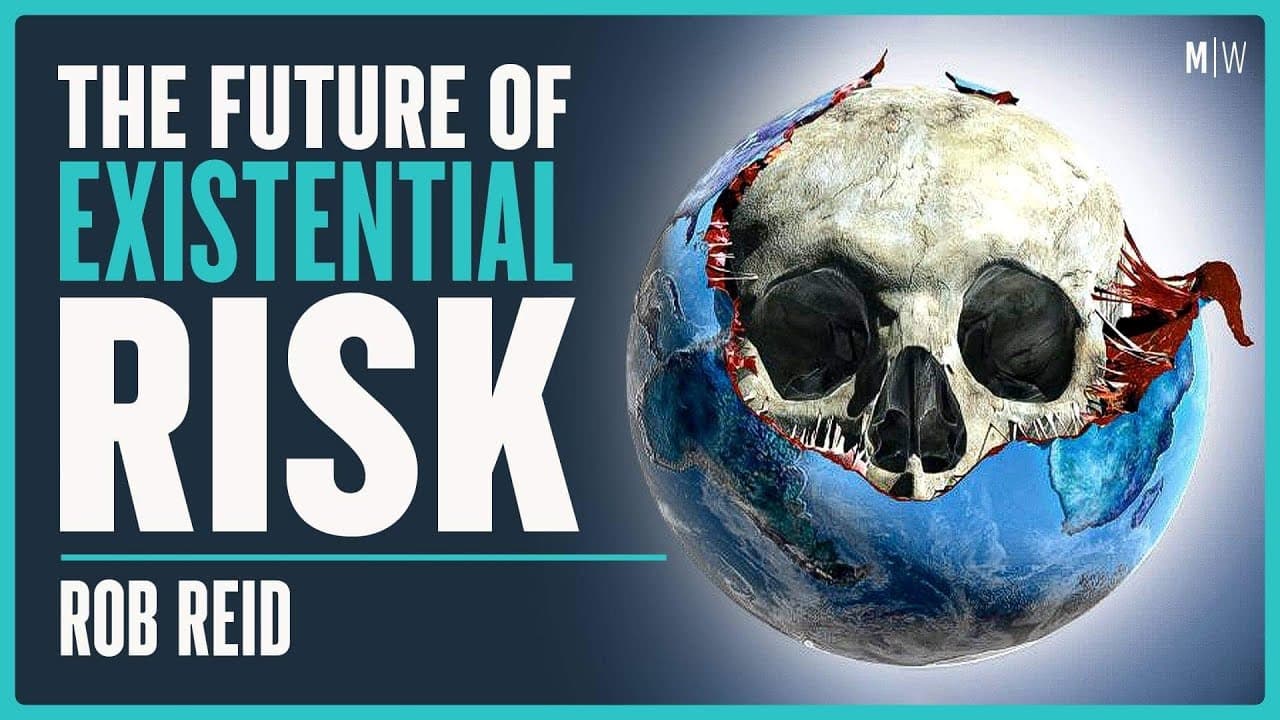
TL;DR
The rise of existential risks, such as pandemics and artificial intelligence, has brought attention to the need for greater awareness and prevention. The privatization and democratization of these risks pose significant challenges.
Transcript
we ignored the warning shots of sars and murs and zika and a whole bunch of other things kovid is a very very difficult warning shot to miss the whole world has been traumatized by this there will be much greater seriousness applied to pandemic resistance in the future the question is will it be adequate attention and will it be sustained in tensio... Read More
Key Insights
- ☸️ The privatization and democratization of catastrophic risks increase the number of individuals capable of causing harm.
- 👋 Gain of function research, while aiming to understand and prevent risks, also poses significant dangers if something goes wrong or falls into the wrong hands.
- 👨🔬 Careful consideration of risks and benefits is necessary when deciding whether to pursue research that alters the lethality or transmissibility of pathogens.
- 😚 The history of close calls and leaks from research labs highlights the need for better containment and oversight to prevent accidents and deliberate misuse.
Install to Summarize YouTube Videos and Get Transcripts
Explore YouTube Video Summarizer or Get YouTube Transcript Extractor
Questions & Answers
Q: What is the significance of COVID-19 in terms of future pandemic resistance?
COVID-19 has traumatized the world and will likely lead to greater seriousness in preparing for and preventing future pandemics. However, the question is whether this attention will be sufficient, sustained, and intelligent.
Q: Are there any risks associated with the privatization and democratization of existential risks?
Yes, the privatization of catastrophic risks can lead to individuals taking risks without fully considering the potential consequences for humanity as a whole. The risks of accidents, leaks, or deliberate misuse increase when the ability to cause harm is widespread.
Q: How have nuclear threats been managed in the past?
During the Cold War, significant resources were allocated to prevent only a few individuals from initiating nuclear warfare. This game of chicken between superpowers was seen as a public good. However, the danger of widespread catastrophic risks is that the decision-making power is no longer concentrated in a few hands.
Q: Why is climate change receiving more attention than other imminent threats?
Climate change has garnered more attention and support over time due to the compounding growth of awareness and engagement. It has also developed strong economic interests and industries focused on addressing climate change, while other threats lack similar attention and infrastructures.
Summary & Key Takeaways
-
The COVID-19 pandemic serves as a warning shot, highlighting the need for greater seriousness and attention to pandemic resistance in the future.
-
Existential risks, such as pandemics and artificial intelligence, fascinate and terrify us, likely due to evolutionary psychological factors.
-
Attention and awareness of existential risks have increased in recent years, but there is still a long way to go to adequately and intelligently address these risks.
Read in Other Languages (beta)
Share This Summary 📚
Summarize YouTube Videos and Get Video Transcripts with 1-Click
Try YouTube Summary with ChatGPT & Claude or YouTube Transcript Generator
Explore More Summaries from Chris Williamson 📚






Summarize YouTube Videos and Get Video Transcripts with 1-Click
Try YouTube Summary with ChatGPT & Claude or YouTube Transcript Generator