Encryption
TL;DR
Learn about encryption algorithms, symmetric and asymmetric encryption, key distribution, authentication, and digital signatures for secure communication over a network.
Transcript
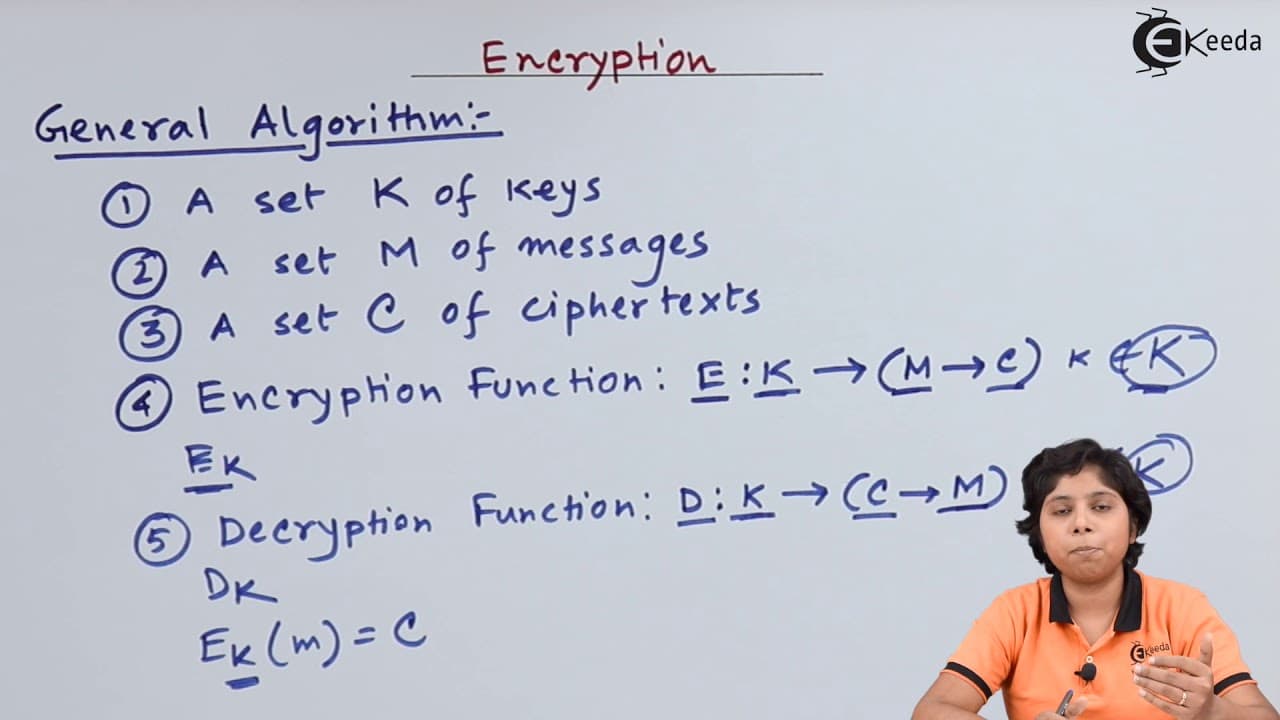
click the Bell icon to get latest videos from akira hello friends today we will discuss about the security across a network of communication that is in encryption we will first describe the encryption algorithm in general then we will slow move Li to the encryption of a symmetric way then a symmetric way then how it can be used for the key distribu... Read More
Key Insights
- ♿ Encryption is essential for secure communication over networks, protecting messages and data from unauthorized access or tampering.
- 🤩 Symmetric encryption uses a single key for encryption and decryption, while asymmetric encryption uses a pair of keys for secure key exchange.
- 🤩 Key distribution is critical for secure communication, and digital certificates issued by trusted certificate authorities help authenticate users and enable secure key exchange.
Install to Summarize YouTube Videos and Get Transcripts
Explore YouTube Video Summarizer or Get YouTube Transcript Extractor
Questions & Answers
Q: What is the difference between symmetric and asymmetric encryption?
Symmetric encryption uses the same key for both encryption and decryption, while asymmetric encryption uses a pair of keys: a public key for encryption and a private key for decryption. Symmetric encryption is faster but requires securely distributing the key, while asymmetric encryption offers secure key exchange but is computationally expensive.
Q: How does encryption help ensure secure communication over a network?
Encryption algorithms ensure that messages, data files, or directories can only be accessed by authorized users who possess the appropriate decryption keys. This prevents unauthorized access and tampering of sensitive information during transmission.
Q: What role do digital certificates play in key distribution?
Digital certificates, issued by certificate authorities, authenticate the identities of users and ensure the secure exchange of public keys. They provide a trusted third-party assurance, helping users establish secure communication channels without directly sharing encryption keys.
Q: What is a digital signature, and why is it important?
A digital signature is a cryptographic technique using the private key of the sender to create a unique identifier for a message, providing authentication and ensuring non-repudiation. It verifies that the message was sent by the claimed sender and has not been modified during transmission.
Summary & Key Takeaways
-
Encryption is widely used in modern operating systems to securely transmit messages, data files, and directories across networks.
-
Symmetric encryption uses the same key for both encryption and decryption, while asymmetric encryption uses a pair of keys: a public key for encryption and a private key for decryption.
-
Key distribution is crucial for secure communication, and digital certificates issued by certificate authorities help authenticate users and ensure secure key exchange.
-
Authentication, message modification avoidance, and non-repudiation are important aspects of secure communication, often achieved through the use of digital signatures.
Read in Other Languages (beta)
Share This Summary 📚
Summarize YouTube Videos and Get Video Transcripts with 1-Click
Try YouTube Summary with ChatGPT & Claude or YouTube Transcript Generator
Explore More Summaries from Ekeeda 📚






Summarize YouTube Videos and Get Video Transcripts with 1-Click
Try YouTube Summary with ChatGPT & Claude or YouTube Transcript Generator