The culture war between doctors and midwives, explained
TL;DR
The U.S. lags in midwife use due to cultural and historical biases.
Transcript
It's one thing to lose our patients to doctors but to those charlatans? It makes me sick. That’s an episode of the Mindy Project, in which a fight brews between Mindy Lahiri - a doctor - and a midwifery practice. Midwives! Who the hell do you think you are? Let's say I have a heart attack. How would you handle that? Would you, uh, rub eucalyptus le... Read More
Key Insights
- The cultural conflict between doctors and midwives in the U.S. is deeply rooted in historical issues of race and class, affecting the acceptance of midwifery in modern healthcare.
- Midwifery is a common practice in many industrialized countries, with midwives attending the majority of births in places like the UK, Sweden, and France, leading to lower maternal mortality rates.
- In the U.S., midwives participate in less than 10% of births, and the country has one of the highest maternal mortality rates among industrialized nations despite high healthcare spending.
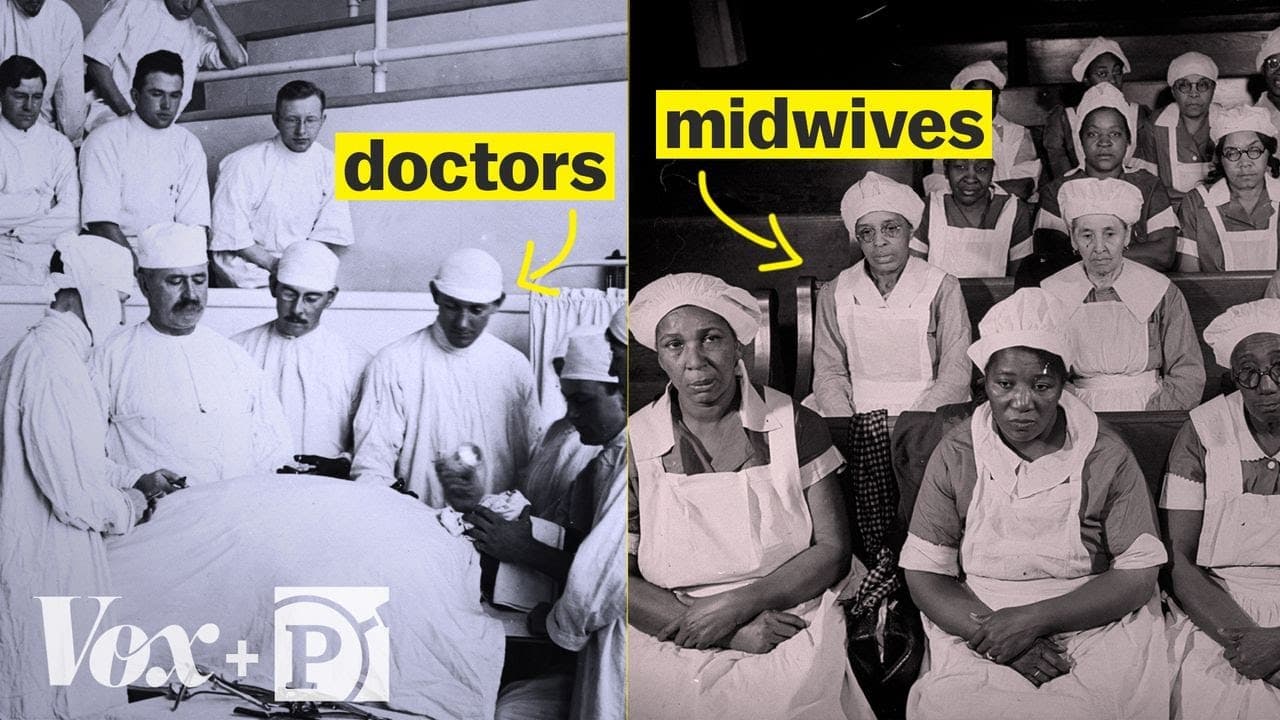
- Historically, midwives played a crucial role in childbirth across various communities, but their role was diminished by the professionalization of medicine in the late 1800s, which favored male doctors.
- Racial biases contributed to the decline of midwifery, with black midwives facing significant discrimination and barriers, leading to a predominantly white midwifery profession today.
- Midwives of color are vital in providing culturally competent care and improving outcomes for marginalized communities, yet they face significant barriers to entry and practice.
- There is a growing recognition of the need for collaboration between midwives and physicians to improve maternal health outcomes, but cultural and systemic barriers remain.
- Efforts to integrate midwives into the healthcare system vary by state, with some states showing better maternal and infant health indicators due to higher midwife integration.
Install to Summarize YouTube Videos and Get Transcripts
Explore YouTube Video Summarizer or Get YouTube Transcript Extractor
Questions & Answers
Q: What historical factors contributed to the decline of midwifery in the U.S.?
The decline of midwifery in the U.S. is attributed to the professionalization of medicine in the late 1800s, which favored male doctors over female midwives. Additionally, racial biases played a significant role, with black midwives facing discrimination and barriers, leading to a predominantly white midwifery profession today.
Q: How does midwifery practice in the U.S. compare to other industrialized countries?
In the U.S., midwives participate in less than 10% of births, whereas in countries like the UK, Sweden, and France, midwives attend the majority of births. These countries have significantly lower maternal mortality rates, suggesting that higher midwife integration positively impacts maternal health outcomes.
Q: What role do midwives of color play in improving maternal health outcomes?
Midwives of color provide culturally competent care, understanding the linguistic and cultural needs of marginalized communities. They are crucial in protecting women in a healthcare system that can be hostile, particularly for black mothers who face higher risks of pregnancy-related complications and mortality.
Q: What are the current barriers faced by midwives, especially those of color, in the U.S.?
Midwives, particularly those of color, face barriers such as stringent regulations, racial discrimination, and limited access to training and certification. These challenges are compounded by systemic biases within the healthcare system, making it difficult for midwives of color to enter and practice in the profession.
Q: How have some states successfully integrated midwives into their healthcare systems?
Some states have successfully integrated midwives by adopting policies that support midwifery education, certification, and practice. These states often show better maternal and infant health indicators, such as lower rates of premature births, neonatal mortality, and C-sections, highlighting the positive impact of midwife integration.
Q: What is the current relationship between midwives and physicians in the U.S.?
The relationship between midwives and physicians in the U.S. is evolving, with increasing recognition of the need for collaboration to improve maternal health outcomes. However, cultural and systemic barriers persist, preventing a fully integrated approach and sustaining the cultural conflict between the two professions.
Q: What impact does the low utilization of midwives have on maternal health in the U.S.?
The low utilization of midwives in the U.S. contributes to higher maternal mortality rates compared to other industrialized countries. Midwives offer a model of care that can improve outcomes by providing personalized, culturally competent care and reducing unnecessary medical interventions, such as C-sections.
Q: What efforts are being made to address the disparities in maternal health outcomes in the U.S.?
Efforts to address disparities in maternal health outcomes include increasing the integration of midwives into the healthcare system, particularly in states with poor maternal health indicators. Additionally, there is a push to support midwives of color through improved access to education, certification, and practice opportunities.
Summary & Key Takeaways
-
The video explores the cultural and historical reasons behind the low utilization of midwives in the U.S., highlighting the impact of race and class on the acceptance of midwifery. It contrasts the U.S. with other countries where midwives play a significant role in childbirth, leading to better maternal health outcomes.
-
Historically, midwives were essential in childbirth across various communities, but their role diminished with the professionalization of medicine. Racial discrimination further marginalized black midwives, resulting in a predominantly white profession today, despite the crucial role midwives of color play in improving maternal health outcomes.
-
The video discusses the need for collaboration between midwives and physicians to improve maternal health outcomes. While some states have successfully integrated midwives into their healthcare systems, others lag behind, leading to higher rates of maternal and infant mortality and other adverse health indicators.
Read in Other Languages (beta)
Share This Summary 📚
Summarize YouTube Videos and Get Video Transcripts with 1-Click
Try YouTube Summary with ChatGPT & Claude or YouTube Transcript Generator
Explore More Summaries from Vox 📚

![We produce 13 tons of hazardous waste every second [Advertiser content from MailChimp] thumbnail](/_next/image?url=https%3A%2F%2Fi.ytimg.com%2Fvi%2F07SS5hx3eZw%2Fhqdefault.jpg&w=750&q=75)




Summarize YouTube Videos and Get Video Transcripts with 1-Click
Try YouTube Summary with ChatGPT & Claude or YouTube Transcript Generator