Basque - A Language of Mystery
TL;DR
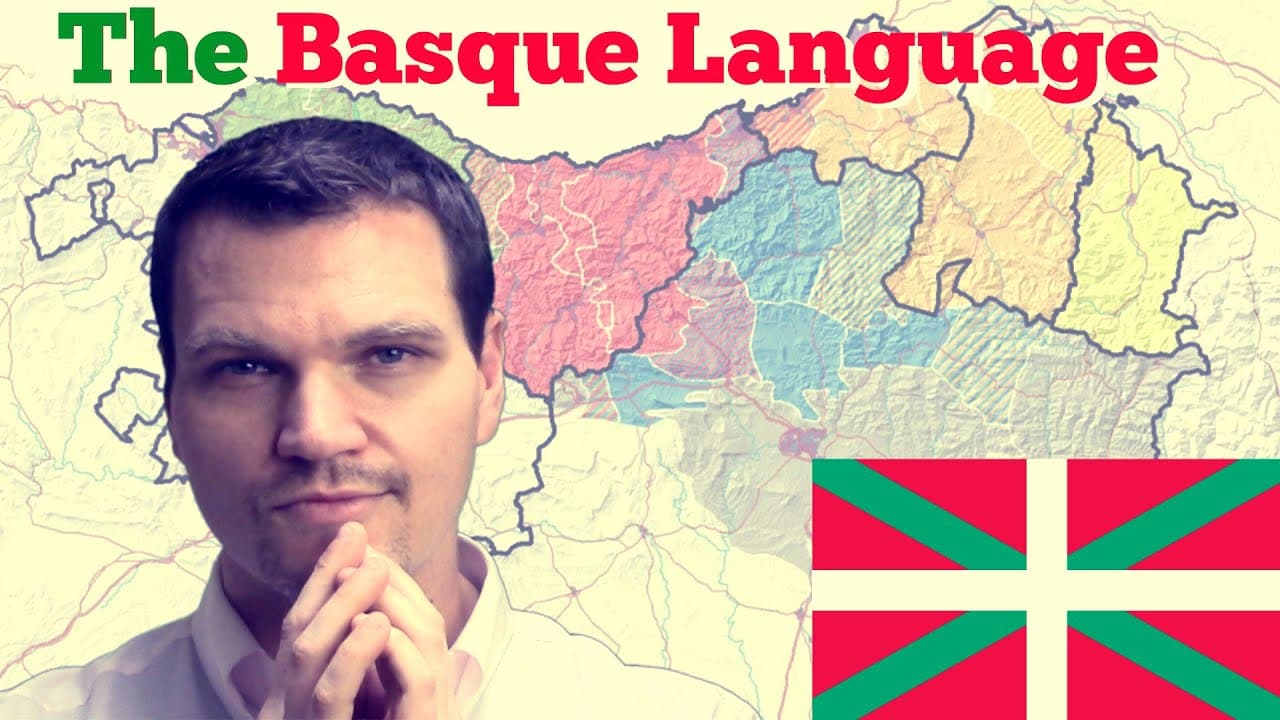
Basque is a unique language isolate in Europe.
Transcript
music plays Hello everyone, welcome to the Langfocus channel and my name is Paul. Yes that's right, today the Langfocus channel has reached 50,000 subscribers. This is a big day for me. When I started my channel, I always had the dream in mind, the goal in mind, of reaching 50,000 subscribers, and I thought that was kind of the pinnacle. Now, i... Read More
Key Insights
- Basque is a language isolate, meaning it has no known connection to any other language, making it unique in Europe.
- The Basque language is spoken by about 27% of the Basque population, primarily in the Basque Country across Spain and France.
- Basque has no official status in France, but it is an official regional language in parts of Spain.
- The origins of Basque are mysterious; it is thought to be the last remaining pre-Indo-European language in Western Europe.
- Basque was heavily suppressed during Francisco Franco's rule in Spain, leading to a decline in speakers.
- Efforts to revive Basque include the creation of the standardized Euskara Batua, comprehensible to various Basque dialects.
- Basque has a unique grammatical structure, including the ergative and absolutive cases, differing from Indo-European languages.
- The Basque language's survival is attributed to the historical isolation of the Basque people due to the region's geography.
Install to Summarize YouTube Videos and Get Transcripts
Explore YouTube Video Summarizer or Get YouTube Transcript Extractor
Questions & Answers
Q: What makes Basque a language isolate?
Basque is considered a language isolate because it has no known connection to any other language. It forms its own language family, distinct from the Indo-European languages that surround it in Europe. This uniqueness makes Basque an intriguing subject for linguists and historians.
Q: What is the current status of the Basque language in terms of speakers?
Basque is spoken by approximately 27% of the Basque population, with around 714,135 native speakers. It is primarily spoken in the Basque Country, which spans the Spain-France border. Efforts to revive the language are ongoing, particularly in Spain, where it holds regional official status.
Q: Why was the Basque language suppressed during Franco's regime?
Under Francisco Franco's rule in Spain, the Basque language was suppressed as part of an effort to assimilate the entire country into Castilian culture. Speaking Basque was forbidden in schools and public spaces, leading to a significant decline in the number of speakers during that period.
Q: What efforts have been made to revive the Basque language?
Efforts to revive Basque include the development of Euskara Batua, a standardized version of the language created by the Basque Language Academy. This standardization aims to be comprehensible to speakers of various Basque dialects, facilitating communication and education in the language.
Q: How does the Basque language differ grammatically from Indo-European languages?
Basque has unique grammatical features, such as the ergative and absolutive cases, which are not found in Indo-European languages. The ergative case is used for the subject of a transitive verb, while the absolutive case is for subjects of intransitive verbs. This structure sets Basque apart linguistically.
Q: What historical factors contributed to the preservation of the Basque language?
The Basque language's preservation is largely due to the historical isolation of the Basque people, who lived in a region with forested mountains and few resources to tempt invaders. This isolation allowed the language to survive and develop relatively uninfluenced by outside cultures for many centuries.
Q: What is Euskara Batua and why was it developed?
Euskara Batua is a standardized version of the Basque language developed by the Basque Language Academy. It was created to provide a comprehensible form of Basque that could bridge the differences between various dialects, facilitating communication, education, and the revival of the language.
Q: What role do dialects play in the Basque language?
Basque has five main dialects: Bizkaian, Gipuzkoan, Upper Navarese, Navarro-Lapurdian, and Souletin. These dialects correspond with historical provinces of the Basque Country but not modern ones. The level of intelligibility varies, with more distant dialects having difficulty understanding each other, which is why Euskara Batua is important.
Summary & Key Takeaways
-
Basque is a language isolate in Europe, spoken by the Basque people in Spain and France. It holds regional official status in Spain but none in France. Its origins are mysterious, possibly pre-dating Indo-European languages. Efforts to revive Basque include the standardized Euskara Batua.
-
The Basque language has unique grammatical features, such as the ergative and absolutive cases, distinguishing it from Indo-European languages. Historical isolation of the Basque people helped preserve the language. Suppression under Franco's regime led to a decline in speakers.
-
Efforts to revive Basque are ongoing, with Euskara Batua helping bridge dialectal differences. Despite being influenced by surrounding Romance languages, Basque maintains a distinct structure. The language's uniqueness and historical significance make its preservation important.
Read in Other Languages (beta)
Share This Summary 📚
Summarize YouTube Videos and Get Video Transcripts with 1-Click
Try YouTube Summary with ChatGPT & Claude or YouTube Transcript Generator
Explore More Summaries from Langfocus 📚




Summarize YouTube Videos and Get Video Transcripts with 1-Click
Try YouTube Summary with ChatGPT & Claude or YouTube Transcript Generator