Become a Top Contender in the AKC Novice with These Insider Techniques!
TL;DR
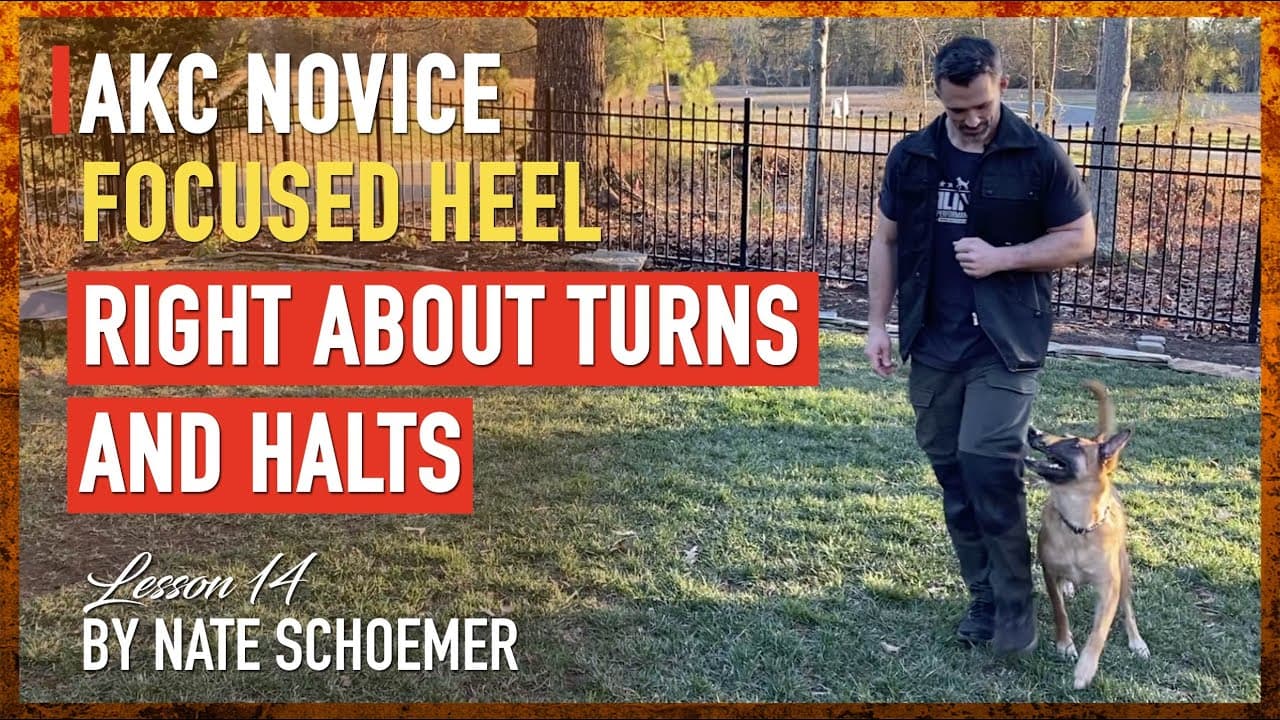
Learn AKC Novice obedience routines with expert techniques.
Transcript
now it's time to start preparing and training for the akc novice obedience routine first i want to quickly go over the requirements and the max score that you can receive for each exercise we have the helon leash and figure eight that's worth 40 points stand for examination worth 30 points heel free worth 40 points recall worth 30 points sit stay a... Read More
Key Insights
- The AKC Novice obedience routine consists of several exercises, each with a specific point value, totaling 200 points.
- Judges focus on the teamwork between the dog and handler, emphasizing a loose leash and proper heel position.
- Pace changes during the routine must be noticeable, with specific cues allowed to alert the dog.
- Common point deductions occur due to leash control issues, additional commands, and improper pace changes.
- Engagement training is crucial, focusing on the dog's attention on the handler's face rather than hands.
- The backwards follow exercise helps maintain the dog's close position, crucial for precision obedience.
- Reward placement is vital, using the opposite hand to prevent the dog from anticipating and looking away.
- The spiral technique and right about turns require specific footwork to maintain the dog's position and speed.
Install to Summarize YouTube Videos and Get Transcripts
Explore YouTube Video Summarizer or Get YouTube Transcript Extractor
Questions & Answers
Q: What are the main components of the AKC Novice obedience routine?
The AKC Novice obedience routine includes several exercises: heel on leash and figure eight, stand for examination, heel free, recall, sit stay and get your leash, and group exercise sit and down stay. Each exercise has a specific point value, contributing to a total of 200 points. Proper execution and teamwork between the dog and handler are crucial for a high score.
Q: How can a handler ensure noticeable pace changes during the routine?
To ensure noticeable pace changes, handlers should practice transitioning between normal, slow, and fast paces distinctly. The changes should be evident to the judge, and handlers are allowed to give a command or signal when changing pace. Regular practice and using cues effectively will help maintain the dog's focus and proper position during these transitions.
Q: What are common reasons for point deductions in the routine?
Common reasons for point deductions include controlling the dog with the leash, giving additional commands or signals, and failing to make pace changes noticeable. Other issues, such as lagging, healing wide, forging, crowding, and improper sits, can also lead to point losses. The severity of deductions depends on the judge's assessment of the mistakes.
Q: How does engagement training benefit the dog's performance?
Engagement training focuses on rewarding the dog for maintaining attention on the handler, particularly on their face rather than hands. This training enhances the dog's focus and responsiveness, which are critical for performing exercises accurately. By reinforcing engagement, handlers can improve the dog's reliability and precision in obedience routines.
Q: What is the purpose of the backwards follow exercise?
The backwards follow exercise helps the dog maintain a close position to the handler while moving. By rewarding the dog for staying close during backward movement, handlers can reinforce the desired position and prevent issues like lagging or forging. This exercise is essential for achieving precision in obedience routines, especially during transitions.
Q: Why is reward placement important in training?
Reward placement is crucial because it influences the dog's focus and position. By using the opposite hand for rewards, handlers can prevent the dog from anticipating treats and looking away from the handler's face. Proper reward placement ensures the dog maintains attention and stays in the correct position, which is vital for precision obedience training.
Q: How does the spiral technique aid in right about turns?
The spiral technique involves moving from a large circle to a smaller one, eventually pivoting in place, which helps the dog stay close and maintain speed during right about turns. This technique teaches the dog to adjust speed and position naturally, preventing lagging and ensuring smooth transitions. Proper footwork by the handler is also emphasized for effective execution.
Q: What resources are available for further training support?
The trainer provides various resources, including a comprehensive training manual, video links for specific techniques, and opportunities for personalized training sessions via Zoom or in-person. Viewers can also join the trainer's community through social media, Patreon, and Facebook groups for additional support and access to exclusive content.
Summary & Key Takeaways
-
The video provides detailed instructions on preparing for the AKC Novice obedience routine, emphasizing teamwork between the dog and handler. It covers various exercises and scoring, focusing on maintaining a proper heel position and performing pace changes.
-
Key techniques include engagement training to keep the dog's focus, the backwards follow exercise for close positioning, and specific footwork for right about turns. These methods aim to minimize point deductions and enhance performance.
-
The trainer offers additional resources, including video links and a training manual, to further assist viewers in mastering the routine. Opportunities for personalized training sessions and community support are also highlighted.
Read in Other Languages (beta)
Share This Summary 📚
Summarize YouTube Videos and Get Video Transcripts with 1-Click
Try YouTube Summary with ChatGPT & Claude or YouTube Transcript Generator
Explore More Summaries from Nate Schoemer 📚

Summarize YouTube Videos and Get Video Transcripts with 1-Click
Try YouTube Summary with ChatGPT & Claude or YouTube Transcript Generator