How Is 7-Eleven Changing Its Food Business Strategy?
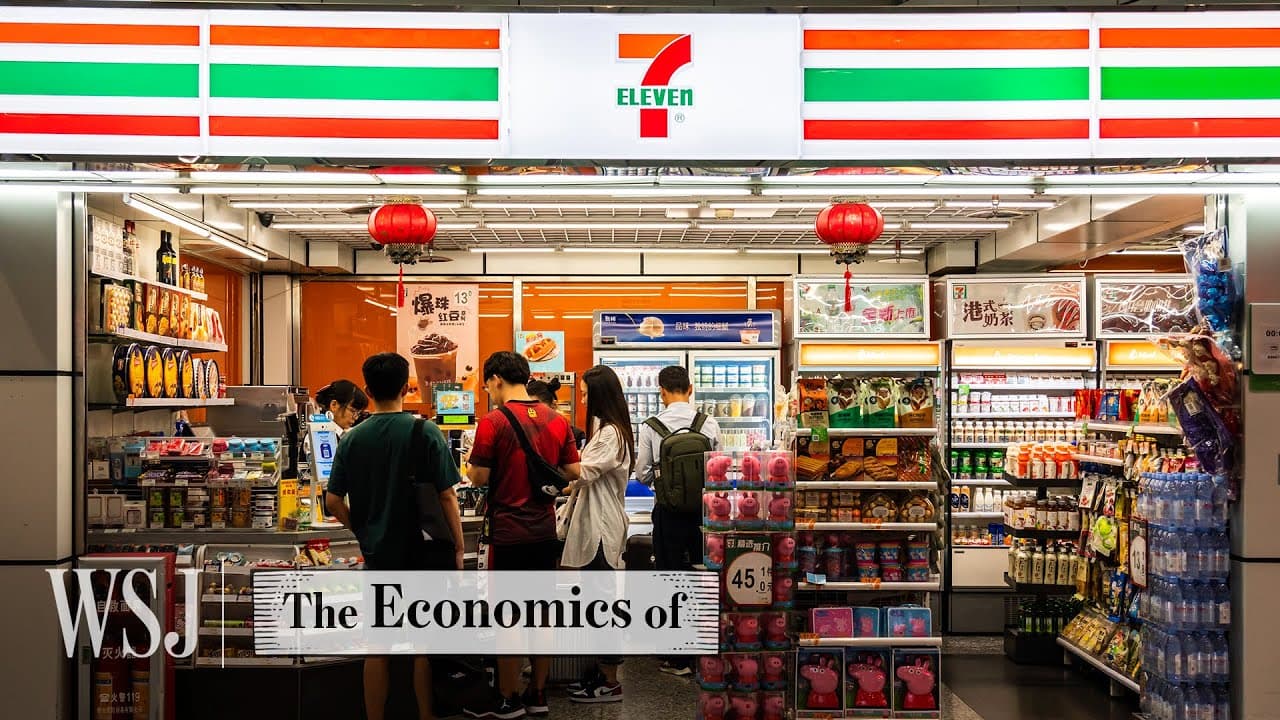
TL;DR
7-Eleven is transforming its American food business by adopting a data-driven inventory approach and embracing Japanese culinary trends. The company aims to increase its food sales, particularly from store-brand items, as it phases out reliance on declining revenue sources like gas and tobacco. By localizing product assortments and enhancing in-store advertising strategies, 7-Eleven seeks to create a more appealing shopping experience for customers.
Transcript
- [Narrator] Rice balls. - [Vlogger] Look at that. Michelin-type of ramen. - [Narrator] Collaborations with famous restaurants like Santouka, milk tea, this is 7/11 in Japan. But in the US, the company is more known for Slurpees and hot dogs. - It's just not as appealing. My perception is people go in there when they need to. - [Narrator] The world... Read More
Key Insights
- 🪛 7/11 is implementing data-driven inventory strategies to align with consumer preferences, improving operations significantly compared to its previous practices.
- 😋 The company intends to rely more heavily on food sales, particularly store-brand products, as traditional revenue sources wane in profitability.
- 👅 Localized product assortments through "tanpin kanri" emphasize the importance of catering to the unique tastes and needs of customers at individual store locations.
- 🏪 The integration of enhanced advertising technologies in-store aims to maximize impulse buy opportunities, targeting customers at critical decision-making moments.
- 😋 Collaboration with suppliers in Japan aims to introduce innovative food offerings previously absent from the American market, enhancing competitiveness.
- 🏪 The evolving consumer landscape, particularly with the rise of electric vehicles, necessitates a rethinking of the gas-centric business model traditionally associated with convenience stores.
- 💁 The loyalty program serves not just as a marketing tool but as a pivotal data collection method to inform future business decisions and promotions.
Install to Summarize YouTube Videos and Get Transcripts
Explore YouTube Video Summarizer or Get YouTube Transcript Extractor
Questions & Answers
Q: What significant changes is 7/11 making to its American operations?
7/11 is adopting a more data-driven approach inspired by its Japanese model, customizing inventory based on sales data, demographics, and local preferences. This includes more frequent deliveries and a focus on high-demand products that meet the specific needs of different store locations, enhancing overall sales efficiency.
Q: How is 7/11 addressing the decline in traditional revenue sources?
With decreasing profits from gas and tobacco sales, 7/11 is pivoting towards food sales, a consistent demand area. The company aims to increase its share from store-brand and prepared foods, which now comprise a significant portion of sales, allowing for greater profitability as traditional sources diminish.
Q: What role does data play in 7/11's strategy?
Data is central to 7/11's revamped strategy, enabling informed decisions on product assortment and inventory management. The company collects daily sales data and customer demographics to tailor offerings for impulse buys and ensure that stock meets authentic customer demands across locations.
Q: What is "tanpin kanri," and how does it relate to 7/11's business model?
"Tanpin kanri" is a Japanese retail concept focusing on localizing product assortments to cater to specific customer needs. 7/11 is implementing this strategy to align its inventory with local preferences, creating a more relevant shopping experience that mirrors the success of its Japanese operations.
Q: How is 7/11 attempting to enhance its food offerings?
7/11 is collaborating with Warabeya to upgrade its commissaries, focusing on a wider and more localized food range. This partnership enables the introduction of new, diverse meal options, aligning 7/11's food quality more closely with market expectations established by its Japanese stores.
Q: What is the impact of 7/11's loyalty program?
The loyalty program, with 95 million members, gives 7/11 valuable insights into customer preferences and purchasing behaviors. This information is then utilized for targeted advertising within stores, promoting products that align with specific times of day and customer demographics, driving sales through increased impulse purchases.
Q: Why is delivery becoming a critical component for 7/11?
Delivery is the fastest-growing segment for 7/11, as it tends to yield higher order values compared to in-store purchases. This shift is capitalized on by providing customers the convenience of purchasing a variety of items, reinforcing brand accessibility and profitability.
Q: What challenges does 7/11 face in the U.S. market compared to other regions?
The challenge for 7/11 in the U.S. lies in instilling the same excitement and loyalty that customers show towards convenience stores in Asia. Successfully adapting menus and shopping experiences to meet evolving consumer preferences is critical to achieving similar enthusiasm in the American market.
Summary & Key Takeaways
-
7/11, now owned by Japan's Seven & I Holdings, is revamping its American stores by implementing a data-driven approach to inventory, which previously lagged behind its Japanese counterpart.
-
The chain is increasing its in-store food offerings, aiming to grow sales from prepared foods and store-brand items, as traditional revenue streams like gas and tobacco decline.
-
With a focus on localized product assortments and enhanced operational systems, 7/11 hopes to match the excitement seen in convenience stores elsewhere in the world.
Read in Other Languages (beta)
Share This Summary 📚
Summarize YouTube Videos and Get Video Transcripts with 1-Click
Try YouTube Summary with ChatGPT & Claude or YouTube Transcript Generator
Explore More Summaries from The Wall Street Journal 📚






Summarize YouTube Videos and Get Video Transcripts with 1-Click
Try YouTube Summary with ChatGPT & Claude or YouTube Transcript Generator