How Does Kafka Explain the Loss of Identity?
TL;DR
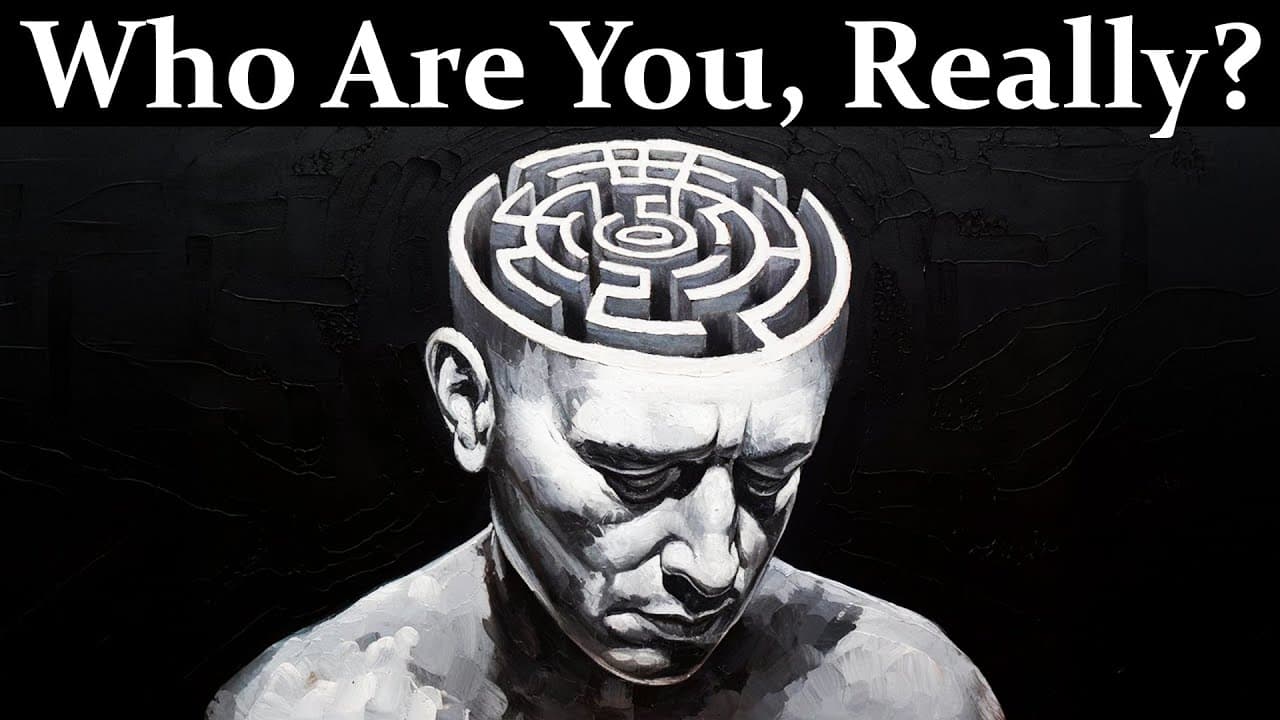
Kafka’s characters show how identity can collapse when routine, social expectations, and impersonal systems replace authentic choice. Recognizing alienation, anxiety, emptiness, and emotional disconnection as signs of this conflict can begin a return to oneself, but that process requires questioning the roles, ambitions, and certainties that once provided security.
Transcript
have you ever had the feeling that you are playing a role as if the person you show to the world is not exactly you maybe you look in the mirror and for a brief moment you don't recognize yourself or perhaps you spend the whole day fulfilling obligations smiling responding to messages saying everything is fine when in reality something inside is is... Read More
Key Insights
- Kafka’s central warning is that a person’s apparent identity may be a protective construction built from routines, plans, obligations, and social expectations. When that construction replaces authentic experience, life can continue outwardly while the inner self silently deteriorates beneath a convincing performance of normality.
- Gregor Samsa’s response to becoming a monstrous insect demonstrates the power of internalized obligation. His immediate concern is being late for work, suggesting that pressure to remain functional can become more psychologically commanding than even a grotesque transformation of the body.
- Joseph K.’s unexplained prosecution represents guilt and judgment without an identifiable cause. His experience mirrors the feeling of carrying shame, fear, or inadequacy while being unable to name its source, challenge its rules, or receive a clear explanation from the system imposing it.
- Kafkaesque systems are impersonal structures that demand obedience while withholding meaning, clarity, and resolution. Their power does not depend on a visible villain because indifference, inaccessible authority, ambiguous language, and endless procedures are sufficient to crush individuality and keep people seeking acceptance.
- The social persona becomes harmful when the mask adopted for acceptance consumes the person beneath it. The transcript connects this loss of essence with anxiety, apathy, emptiness, insomnia, and identity crisis, while outward smiles and competent performance conceal the internal conflict.
- Existential alienation is the experience of being present in the world without feeling part of it. It can develop from inadequacy into boredom, emotional disconnection, fatigue, silence, and the gradual loss of personal preferences, beliefs, dreams, and a recognizable sense of self.
- The Kafkaesque labyrinth exists both outside and inside the individual. Social demands for productivity, happiness, intelligence, desirability, status, and spiritual elevation become internal standards, creating an endless cycle of self-judgment even when the original rules remain arbitrary or unreachable.
- The collapse of a constructed identity can create the possibility of renewal. The transcript argues that uncertainty and emptiness are not merely endings, because watching a false self fall apart may open a path toward discovering values and desires that were previously buried.
Install to Summarize YouTube Videos and Get Transcripts
Explore YouTube Video Summarizer or Get YouTube Transcript Extractor
Questions & Answers
Q: How does Kafka portray the loss of personal identity?
Kafka portrays identity loss through characters who continue performing assigned roles while their worlds become irrational. Gregor Samsa worries about work after becoming a monstrous insect, and Joseph K. follows a judicial process without learning his accusation. Their obedience shows how duties, guilt, and institutional expectations can become stronger than self-knowledge, gradually reducing a person to a function within an indifferent system.
Q: What does Gregor Samsa’s transformation symbolize?
Gregor Samsa’s transformation symbolizes dehumanization and the collapse of identity under relentless obligation. The most revealing detail is not his monstrous body but his concern about being late for work. That reaction suggests he has internalized the demand to remain productive so deeply that fulfilling his role seems more urgent than understanding what has happened to his body or sense of self.
Q: Why is Joseph K. accused without knowing his crime?
Joseph K.’s unexplained accusation illustrates judgment, guilt, and fear that have no clearly identifiable source. He is investigated, judged, and condemned without receiving a meaningful explanation. The situation reflects how people can feel ashamed or inadequate while lacking any specific wrongdoing to address, especially when they submit to systems whose rules are ambiguous, inaccessible, and treated as unquestionable.
Q: What is a Kafkaesque labyrinth in modern life?
A Kafkaesque labyrinth is a system of unclear rules, inaccessible authority, ambiguous language, and promises that never produce belonging or resolution. In modern life, it appears in the pursuit of validation, status, productivity, happiness, intelligence, desirability, and recognition. The labyrinth becomes internal when people accept these standards as personal obligations and blame themselves for failing to reach goals designed to remain out of reach.
Q: How can a social mask cause an identity crisis?
A social mask causes an identity crisis when the behavior used to gain acceptance becomes the person’s entire identity. Someone may fulfill obligations, smile, answer messages, and appear functional while suppressing personal feelings and desires. As the inner self bends to fit external expectations, anxiety, apathy, emptiness, insomnia, and disconnection can emerge, revealing the widening conflict between outward performance and inward experience.
Q: What is Kafkaesque loneliness?
Kafkaesque loneliness is the feeling of existing among other people without being emotionally seen, understood, or connected. A person may attend meetings, satisfy expectations, and participate in daily life while feeling separated from everything by an invisible barrier. Prolonged alienation can then weaken self-knowledge, causing someone to forget personal interests, beliefs, and dreams until only an outwardly functional shadow remains.
Q: Why do people choose routine instead of freedom?
People may choose routine because familiar pain feels less threatening than the uncertainty of freedom. Obligations, plans, identities, and apparent control protect them from confronting the possibility that they do not know who they are. Kafka’s characters keep trying to fit into collapsing systems because questioning the entire structure would require surrendering the roles and certainties that have organized their lives.
Q: How can alienation become the beginning of change?
Alienation can begin change when it is recognized as evidence that an imposed way of living no longer matches the inner self. The resulting discomfort exposes the gap between social performance and authentic experience. Although the collapse of a familiar identity can feel like a symbolic death, it can also create the uncertainty needed to reconsider inherited roles, recover neglected desires, and form a different relationship with oneself.
Summary & Key Takeaways
-
Kafka’s stories portray people who keep obeying expectations even when their lives become irrational and unbearable. Gregor Samsa worries about work after his transformation, while Joseph K. submits to an unexplained accusation. Their reactions reveal how thoroughly duty, guilt, and institutional pressure can replace personal identity and authentic judgment.
-
Modern life resembles a Kafkaesque labyrinth when productivity, validation, status, happiness, and desirability become compulsory standards. People internalize these demands and blame themselves for failing to satisfy unclear rules. The resulting social mask can consume the self, producing anxiety, apathy, insomnia, emptiness, and a painful sense of living someone else’s life.
-
Kafkaesque loneliness is not merely physical isolation. It is the experience of participating in society while feeling emotionally absent, unseen, and disconnected from oneself. The transcript presents this alienation as both a danger and a possible awakening, because the collapse of a false identity can create space for a more authentic one.
Read in Other Languages (beta)
Share This Summary 📚
Summarize YouTube Videos and Get Video Transcripts with 1-Click
Try YouTube Summary with ChatGPT & Claude or YouTube Transcript Generator
Explore More Summaries from Psyphoria 📚



Summarize YouTube Videos and Get Video Transcripts with 1-Click
Try YouTube Summary with ChatGPT & Claude or YouTube Transcript Generator