Stanford Art & Art History: Past, Present, and the Future
TL;DR
Stanford's arts department has gone through a renaissance, but there are challenges in changing perceptions and defining the role of art in education.
Transcript
thank you Peter for that very nice introduction you give me much more credit than I deserve I'm honored today to be here on the occasion of the Historical Society's annual meeting and also honored to share the podium with Professor Nimrod so I think that you all join in my delight that the Arts at Stanford are going through this Renaissance however... Read More
Key Insights
- 🥰 The arts at Stanford have a rich history, with early champions like Jane Stafford and influential faculty members like Bolton Brown and Arthur Bridgeman Clark.
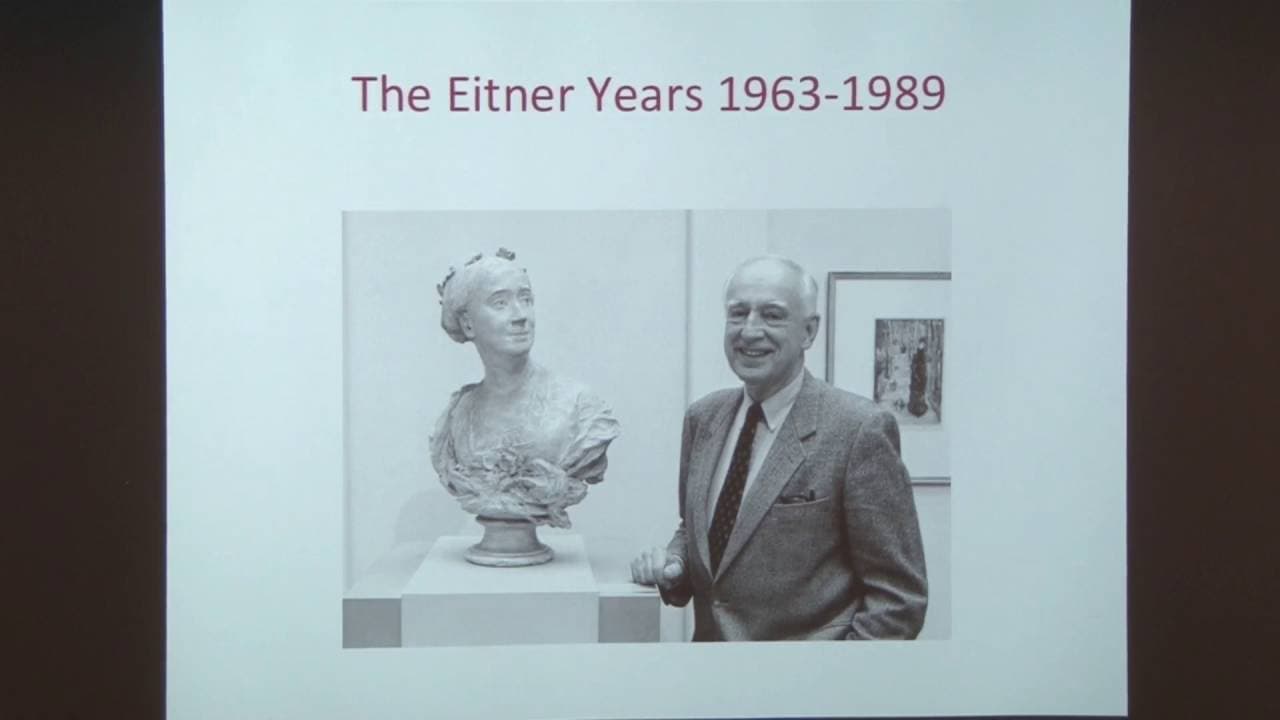
- 💝 The department of art went through a period of growth and expansion under the leadership of Lauren Sytner from the mid-1960s to the late 1980s.
- 🥺 The 1989 Loma Prieta earthquake led to the closure and rebuilding of the Stanford Museum, as well as changes in the relationship between the department and museum.
Install to Summarize YouTube Videos and Get Transcripts
Explore YouTube Video Summarizer or Get YouTube Transcript Extractor
Questions & Answers
Q: How did Stanford's founders contribute to the establishment of the arts at the university?
Jane Stafford was an advocate for the arts and ensured their inclusion in Stanford's founding grant. The university's founders believed that the arts were essential to a broad education.
Q: Who were some influential faculty members in the early years of the art department?
Bolton Brown, a painter who served as chair of the department from 1891 until 1902, and Arthur Bridgeman Clark, who was chair for 29 years, were both influential faculty members in the early years of the art department.
Q: What role did Lauren Sytner play in the development of the arts at Stanford?
Lauren Sytner, who led the department from the mid-1960s to the late 1980s, was a distinguished scholar, teacher, and administrator. He focused on expanding faculty numbers, curriculum, and fundraising efforts to bring the department of art to the level of other top universities.
Q: How did the 1989 Loma Prieta earthquake impact the arts at Stanford?
The earthquake severely damaged and closed the Stanford Museum, which was already in a neglected state. The museum's reopening and rebuilding, along with the separation of its leadership from the department, led to significant changes in the relationship between the two institutions.
Summary & Key Takeaways
-
Jane Stafford was instrumental in establishing the arts at Stanford and ensured they were included in the university's founding grant.
-
The department of art had limited resources and faculty for many years, but it experienced growth and expansion in the late 1960s through the late 1980s under the leadership of Lauren Sytner.
-
The department and museum underwent significant changes after the retirement of Sytner and the 1989 Loma Prieta earthquake, leading to the current state of the arts at Stanford.
Read in Other Languages (beta)
Share This Summary 📚
Summarize YouTube Videos and Get Video Transcripts with 1-Click
Try YouTube Summary with ChatGPT & Claude or YouTube Transcript Generator
Explore More Summaries from Stanford 📚






Summarize YouTube Videos and Get Video Transcripts with 1-Click
Try YouTube Summary with ChatGPT & Claude or YouTube Transcript Generator