Ruth Lawanson: African History in the Making
TL;DR
African history has been distorted and overshadowed by negative narratives; understanding and reclaiming our true history is crucial for progress.
Transcript
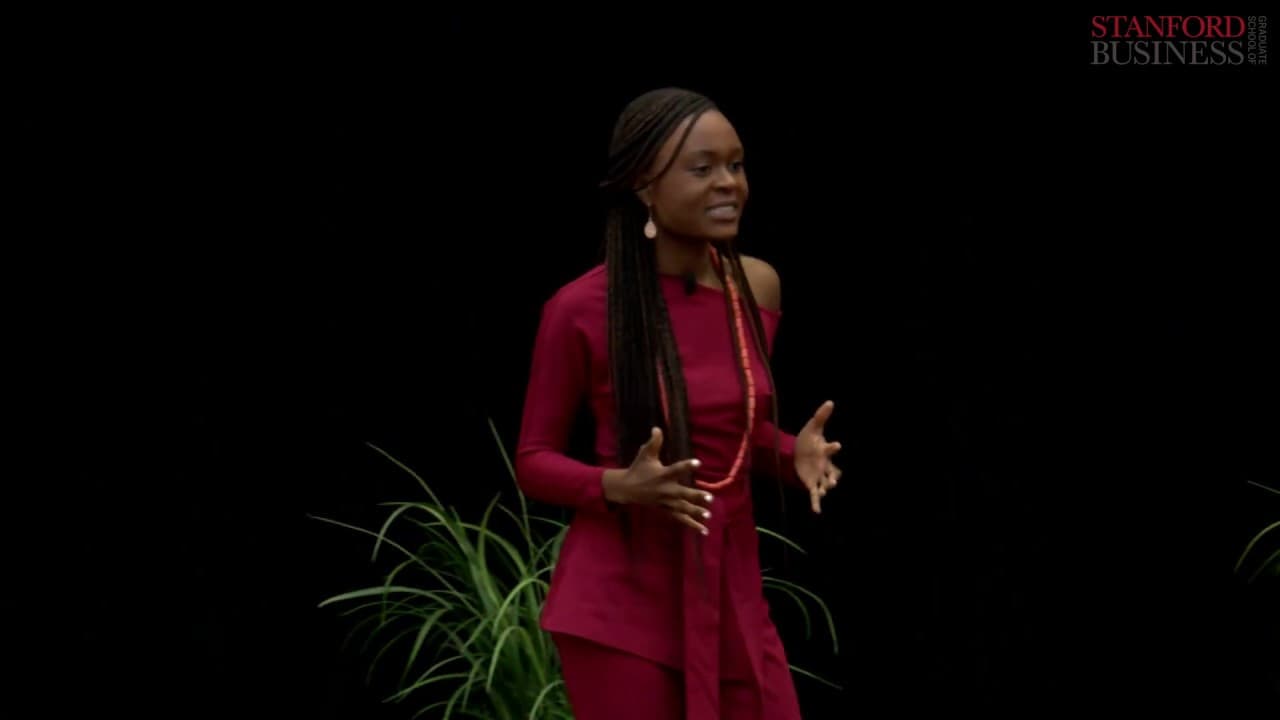
[MUSIC] History is the foundation of a people's identity. And when that foundation is lost, it is catastrophic. This is ever true when it comes to African history. This continent that made me, the one that I love so much, has been scarred by modern day labels. We all know instability, poverty, corruption. But this is not who we are. Three years ago... Read More
Key Insights
- 💁 History shapes identity and informs decision-making.
- ❎ African history has been marred by negative narratives and needs to be reclaimed.
- 🥺 Understanding African history leads to progress, empathy, and connection.
- 💍 Non-Africans should also engage with African history to foster understanding and meaningful connections.
- 🇨🇫 African civilizations had advanced systems and values that were disrupted by colonization.
- 🙈 Ignoring or distorting history perpetuates misunderstandings and inadequate solutions for the future.
- 🇨🇫 Studying African history can empower individuals to challenge systemic injustices.
Install to Summarize YouTube Videos and Get Transcripts
Explore YouTube Video Summarizer or Get YouTube Transcript Extractor
Questions & Answers
Q: How has African history been distorted?
African history has been inaccurately portrayed, often focusing on negative aspects like corruption and poverty, while ignoring the rich cultural heritage and achievements of African civilizations.
Q: How does understanding African history contribute to progress?
Understanding African history allows for a more accurate perspective on Africa's past and helps in developing informed solutions for present challenges. It fosters empathy, connection, and a sense of identity among Africans.
Q: What role does history play in the fight against systemic injustices?
History provides a foundation for fighting systemic injustices by empowering individuals with knowledge and the ability to challenge false narratives. It serves as a source of inspiration and guidance in making difficult decisions.
Q: Why is it important for non-Africans to learn about African history?
Familiarizing oneself with African history promotes cross-cultural understanding, empathy, and kinship. It breaks down stereotypes and helps build genuine connections with Africans.
Summary & Key Takeaways
-
African history has been misrepresented, leading to negative stereotypes such as instability, poverty, and corruption.
-
The speaker shares her personal experience of facing ethical challenges in a multinational company in East Africa, emphasizing the importance of holding onto one's values.
-
The speaker highlights the rich history of African civilizations like the Edo people and the impact of colonization, urging the audience to study and embrace African history for a better future.
Read in Other Languages (beta)
Share This Summary 📚
Summarize YouTube Videos and Get Video Transcripts with 1-Click
Try YouTube Summary with ChatGPT & Claude or YouTube Transcript Generator
Explore More Summaries from Stanford Graduate School of Business 📚






Summarize YouTube Videos and Get Video Transcripts with 1-Click
Try YouTube Summary with ChatGPT & Claude or YouTube Transcript Generator