Forming and Managing a Board of Directors

Transcript
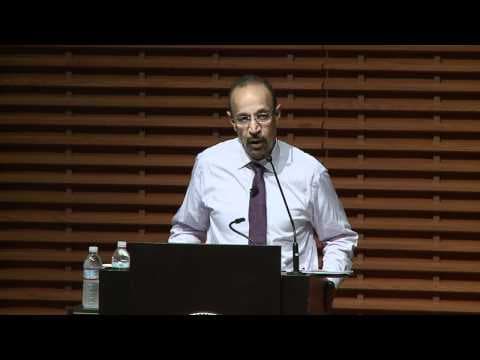
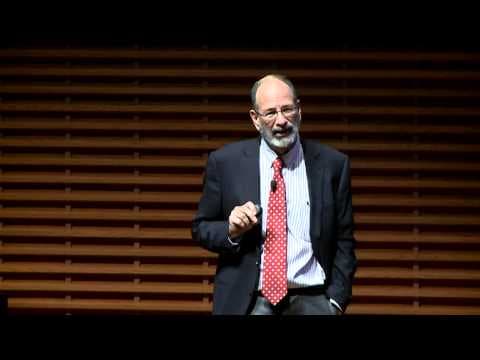
my name is Steve Bengston I'm with PricewaterhouseCoopers I want to welcome you to our intimate event on forming and managing boards of directors this is intentionally going to be informal panel where we encourage you to ask questions early and often because in most of the panel's we've been today and other events the audience Q&A is the best part ... Read More
Install to Summarize YouTube Videos and Get Transcripts
Explore YouTube Video Summarizer or Get YouTube Transcript Extractor
Summary
This is a panel discussion on forming and managing boards of directors. The panelists discuss various aspects of board management, including choosing the right venture capitalists to be on the board, the role of lawyers on the board, the importance of having a small board size, and the need for transparency and open communication between the CEO and the board.
Q: What should you consider when choosing venture capitalists to be on your board?
When seeking venture capital, it is important to do due diligence on the venture capitalist as a prospective board member. Consider their industry experience, perspectives, and management expertise to ensure they bring value to the board.
Q: What is the role of lawyers on the board?
While it may seem beneficial to have a lawyer on the board for free legal advice, it is important to remember that the lawyer is there as a director and not to represent the corporation as its lawyer. It is recommended to have your lawyer present at board meetings to understand the company's vision and be proactive in addressing legal issues.
Q: What is the ideal board size for a startup company?
For startup companies, a board size of five directors is common, although seven directors can be acceptable as the company grows. It is important to be cautious about giving up control of the board and ensure that board members bring complementary skills and talents to the table.
Q: What is the significance of an independent board?
Sarbanes-Oxley emphasizes the importance of an independent board, even for venture-backed companies. Having independent directors brings diverse perspectives and ensures that the board focuses on strategic decisions rather than operational matters. It is recommended to negotiate for a few independent seats on the board.
Q: How can boards be kept well-informed before board meetings?
Board members should be well-informed before board meetings to have productive discussions. Companies should ensure that board members receive board packages and are briefed on topics beforehand. Even if there is no material to circulate, discussing important issues with the board before the meeting allows directors to provide better advice.
Q: How can board meetings avoid becoming operational meetings?
Board meetings should focus on strategy rather than operations. While operations reports can be given on an as-needed basis, the board's role is to provide strategic guidance and work with the CEO. Board meetings should not turn into operating meetings where every manager comes in and presents.
Q: What is an entrepreneur's role in managing the board's expectations?
The CEO's role is to manage the board's expectations and be honest about the company's goals and any issues or problems that may arise. The board's job is to push the company to achieve as much as possible, and the CEO's job is to ensure that the goals set are realistic and communicate any obstacles early to the board.
Q: How can a board be effective in guiding a company's success?
A good board can help a company succeed, but a truly great CEO is more impactful. The board's main job is to hire and fire the CEO, and the CEO's job is to make the board effective. Boards should focus on adding value, not just reviewing and approving decisions. Trust, collegiality, and a well-balanced board composition are essential.
Q: What is the impact of Sarbanes-Oxley compliance on companies?
Sarbanes-Oxley compliance can have direct and indirect costs on companies. Direct costs include spending on compliance rituals and non-value-added activities, which can subtract from the market value of the company. Indirect costs include time spent on compliance discussions at board meetings, taking away from strategic discussions. Companies should disclose compliance costs and focus on good board behavior rather than excessive regulation.
Q: What should entrepreneurs consider in forming their boards?
Entrepreneurs should select independent board members carefully to ensure a well-balanced and trusted team. Independent board members with operational experience are crucial for effective boards. Conflict within the board can be expected and should be managed by the CEO. Trust should be built by being open to board input and seeking individual board members' perspectives before bringing issues to the table.
Q: What should entrepreneurs prioritize in leading their boards?
Entrepreneurs should lead their boards by focusing on the key risks and priorities of the business. Keeping the board discussions centered on these issues ensures effective and productive meetings. The CEO should lead the board and set the agenda to drive the desired focus and outcomes. Entrepreneurs should also ensure the board members are willing to do the work and have aligned interests.
Read in Other Languages (beta)
Share This Summary 📚
Summarize YouTube Videos and Get Video Transcripts with 1-Click
Try YouTube Summary with ChatGPT & Claude or YouTube Transcript Generator
Explore More Summaries from Stanford Graduate School of Business 📚


Summarize YouTube Videos and Get Video Transcripts with 1-Click
Try YouTube Summary with ChatGPT & Claude or YouTube Transcript Generator