Chicago Adventure, Part Three: Little Skeletons
TL;DR
Explore the fascinating world of natural history and specimen numbering at the Chicago Field Museum.
Transcript
The Chicago Field Museum is one of the largest and most respected natural history museums in the world. Join me as we go behind the scenes! Dun dun dun! Because of the nature of the collection we have all of these old, wild-caught specimens and you can put a zoo specimen of the same species in amongst the wild-caught and it stands out like night an... Read More
Key Insights
- 🏘️ The Chicago Field Museum houses a diverse collection of wild-caught specimens, making it a crucial resource for researchers.
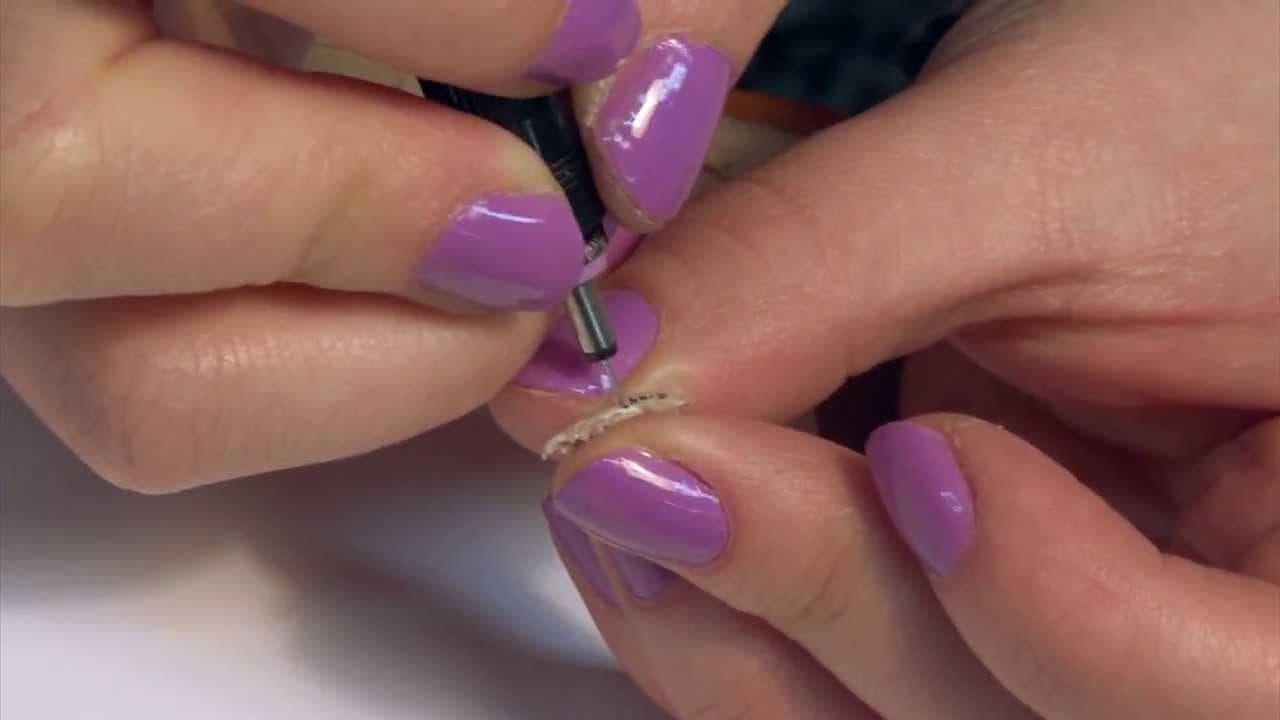
- ☠️ Numbering bones requires precision and attention to detail, with specific rules for different species.
- 🪪 The numbering process ensures accurate identification and cataloging of specimens for future study.
- 🦷 Different species have unique adaptations, such as seals with cusps on their teeth for catching prey or crabeater seals with teeth specialized for filtering krill.
- 🌍 The field of natural history offers endless opportunities for discovery and appreciation of the natural world.
- ♿ Consistency in numbering is essential for maintaining organization and accessibility within a museum collection.
- 🖐️ The Chicago Field Museum plays a vital role in preserving and sharing knowledge about the natural world.
Install to Summarize YouTube Videos and Get Transcripts
Explore YouTube Video Summarizer or Get YouTube Transcript Extractor
Questions & Answers
Q: How do researchers determine the most important bones to number on a specimen?
The skull and each side of the mandible are typically the most important bones to number, as researchers often prioritize studying the skull first. Other bones, such as the pelvis, limbs, and scapula, may also be numbered depending on the size of the specimen.
Q: What happens if a mistake is made while numbering a bone?
If an error occurs, the ink can be scraped off using a scalpel once it's dry or removed with alcohol and a Q-tip. Afterward, the bone is left to dry before renumbering.
Q: How are small pieces, like those from shrew skulls, handled during the numbering process?
Small pieces that may get lost are placed in a pill capsule, which is then numbered. This ensures that even tiny fragments can be identified and cataloged accurately.
Q: Are there different numbering systems for different species?
Yes, each species may have specific rules for numbering. Some systems may have numbers on the opposite side of the bone or written at an angle. It's important to be aware of these variations when numbering specimens.
Summary & Key Takeaways
-
The Chicago Field Museum is home to a vast collection of old, wild-caught specimens, which stand out when compared to zoo specimens of the same species.
-
Andrea demonstrates the meticulous process of numbering bones, using precision and skill to mark each specimen.
-
Different species have unique numbering systems, with specific rules for placing the numbers on different bones.
Read in Other Languages (beta)
Share This Summary 📚
Summarize YouTube Videos and Get Video Transcripts with 1-Click
Try YouTube Summary with ChatGPT & Claude or YouTube Transcript Generator
Explore More Summaries from thebrainscoop 📚






Summarize YouTube Videos and Get Video Transcripts with 1-Click
Try YouTube Summary with ChatGPT & Claude or YouTube Transcript Generator