Ross 128 Radio Signal Update for 07/23/2017
TL;DR
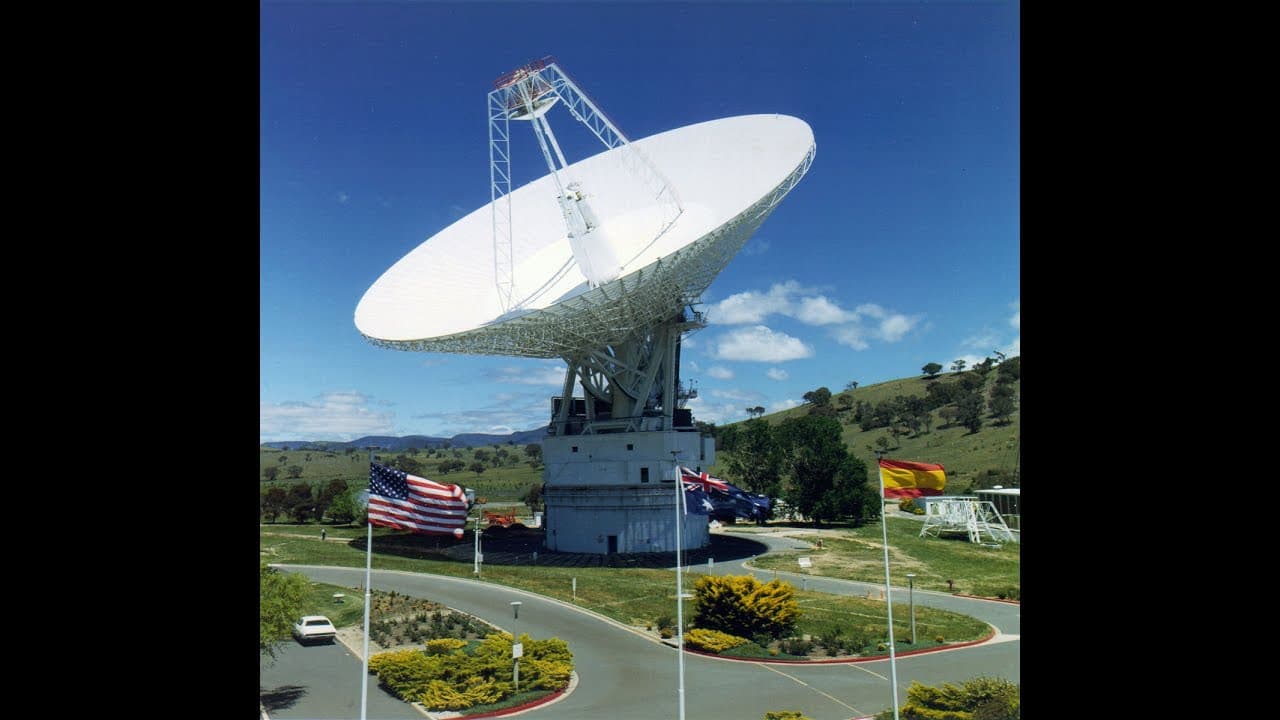
The Ross 128 radio signal, initially thought to be an unusual signal from an alien source, was likely caused by geosynchronous satellites. However, the dispersion-like characteristics of the signal remain unexplained.
Transcript
This is an update in my continuing coverage of the radio signal associated with the star Ross 128. It may be my last on this particular signal as the mystery, at least on its face, seems solved though questions do remain. This story has grown somewhat controversial and murky, despite being apparently solved, though that may not be so clean cut. In ... Read More
Key Insights
- 📡 The Ross 128 radio signal, initially considered a potential alien signal, is likely the result of geosynchronous satellites in the area.
- 📡 The frequency of the signal, while being in a popular range for telecommunications, did not behave like a typical satellite signal.
- 🗺️ The dispersion-like characteristics in the signal indicate that it traveled a long distance and was not due to interference from Earth.
- 📡 The Green Bank telescope did not detect the signal, while Arecibo initially picked it up and observed it fading, supporting the satellite interference explanation.
- 🤵 The dispersion-like features in the signal remain unexplained, leaving room for further investigation.
- 📶 Questions about the signal's weak strength and frequency sliding have not been addressed.
- 👨🔬 Abel Mendez, the scientist investigating the signal, continues to research its unexplained characteristics.
Install to Summarize YouTube Videos and Get Transcripts
Explore YouTube Video Summarizer or Get YouTube Transcript Extractor
Questions & Answers
Q: What made the Ross 128 radio signal unusual?
The Ross 128 radio signal was unique because it exhibited quasi-periodic behavior and dispersion-like characteristics, which are not typically observed in satellite signals.
Q: What are dispersion-like characteristics in a radio signal?
Dispersion occurs when electromagnetic waves cross the interstellar medium, causing different frequencies to travel at different rates. This results in a delay and can indicate that the signal has traveled a long distance.
Q: Did the Green Bank telescope detect the Ross 128 radio signal?
No, the Green Bank telescope did not pick up the signal, further supporting the theory that it was caused by satellite interference rather than extraterrestrial origins.
Q: What remains unexplained about the Ross 128 radio signal?
The dispersion-like features observed in the signal remain unexplained, as does the reason for the signal's weak strength and its sliding down the frequency scale.
Summary & Key Takeaways
-
The frequency of the Ross 128 radio signal, at 4.6 to 4.8 Gigahertz, was not ideal for detecting unambiguous alien signals due to interference from telecommunications satellites and other earth sources.
-
The signal exhibited quasi-periodic behavior and showed evidence of dispersion, suggesting it had traveled a long distance and was not due to earth interference.
-
The Green Bank telescope did not detect the signal, while Arecibo initially detected it and later observed it fading, supporting the satellite interference explanation.
Read in Other Languages (beta)
Share This Summary 📚
Summarize YouTube Videos and Get Video Transcripts with 1-Click
Try YouTube Summary with ChatGPT & Claude or YouTube Transcript Generator
Explore More Summaries from John Michael Godier 📚




Summarize YouTube Videos and Get Video Transcripts with 1-Click
Try YouTube Summary with ChatGPT & Claude or YouTube Transcript Generator