Social Media Algorithms Are Manipulating Human Behaviour
TL;DR
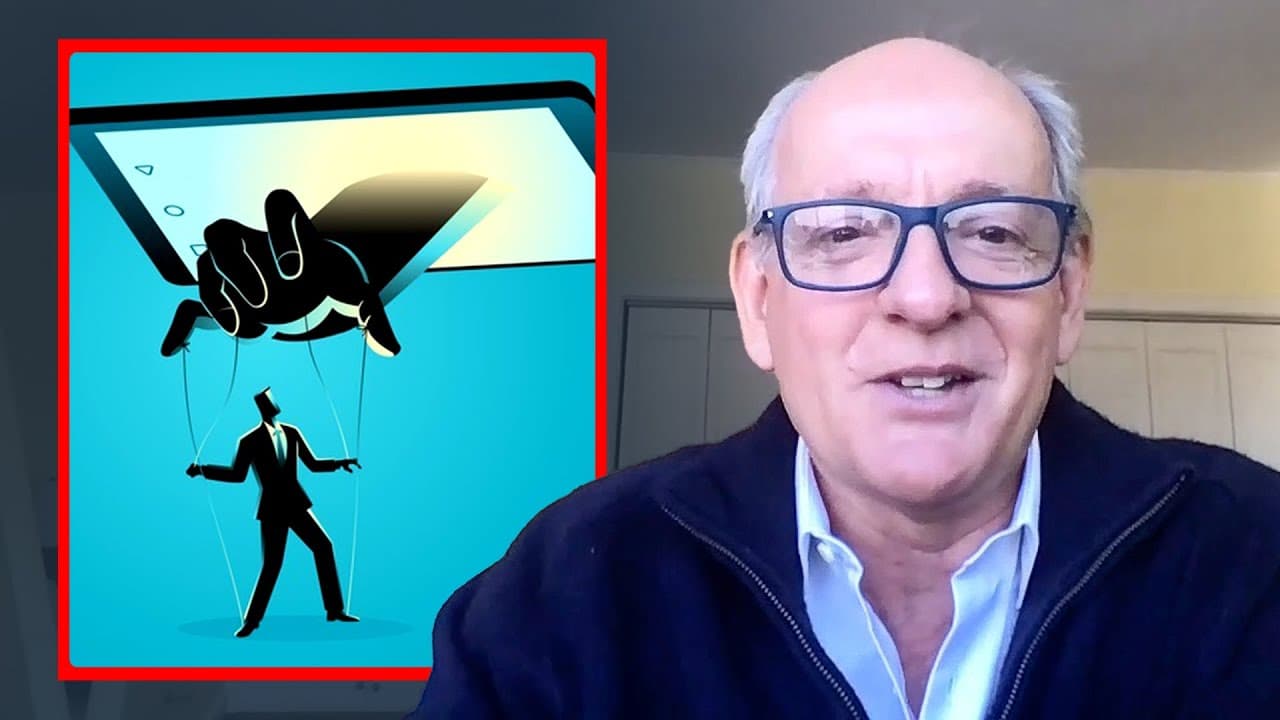
Social media content algorithms have immense power over human cognitive input, leading to manipulation and the potential for extreme outcomes.
Transcript
can you take us through what social media content algorithms have done uh sure yeah so the social media content algorithms right they decide what you read and what you watch and they do that for literally billions of people for hours every day right um so in that sense they have more control over human cognitive input than any dictator in history h... Read More
Key Insights
- 🎮 Social media content algorithms have more control over human cognitive input than any historical dictator.
- ✊ Algorithms aim to maximize click-through rates and engagement, but their unchecked power raises concerns.
- ❓ Algorithms can manipulate individuals by tailoring content to their preferences, gradually exposing them to more extreme content.
- 🖤 The opacity of algorithms and lack of transparency are problematic, and efforts are being made to promote responsible algorithmic practices.
- 🔉 Social media algorithms have significantly increased the frequency and customization of learning opportunities for manipulation.
- 💄 The systematic and algorithmic nature of social media manipulation makes it more powerful and rapid in its effects.
- ❓ Creators are also manipulated by the system, as they cater to clickbait and audience preferences.
Install to Summarize YouTube Videos and Get Transcripts
Explore YouTube Video Summarizer or Get YouTube Transcript Extractor
Questions & Answers
Q: How do social media content algorithms influence what we see and read?
Social media algorithms set objectives, such as maximizing click-through rates, and use machine learning to tailor content. By learning user preferences and gradually exposing them to more extreme or predictable content, algorithms can manipulate what we see and read.
Q: Do social media algorithms have more influence over individuals than historical dictators?
Yes, social media algorithms have massive power over human cognitive input, surpassing the influence of historical dictators like Stalin, Kim Il-sung, and Hitler. They control the content we consume and can manipulate individuals' behaviors and preferences.
Q: How are social media algorithms regulated?
Currently, social media algorithms are largely unregulated. However, there are efforts to increase transparency and oversight through organizations like the Global Partnership on AI. Governments are working towards agreements with platforms to promote transparency and responsible algorithmic practices.
Q: What are the potential effects of social media content algorithms on individuals?
Social media algorithms can lead individuals towards more extreme versions of themselves. If someone shows interest in climate science, algorithms may try to turn them into an eco-terrorist by showing them outrage-inducing content. This can shape individuals' beliefs and actions.
Summary & Key Takeaways
-
Social media content algorithms control what users read and watch, making billions of decisions every day.
-
These algorithms aim to maximize click-through rates and engagement, leading to potential manipulation of user preferences.
-
By tailoring content to individual users and gradually exposing them to more extreme or predictable content, algorithms can change people's preferences and behaviors.
Read in Other Languages (beta)
Share This Summary 📚
Summarize YouTube Videos and Get Video Transcripts with 1-Click
Try YouTube Summary with ChatGPT & Claude or YouTube Transcript Generator
Explore More Summaries from Chris Williamson 📚



Summarize YouTube Videos and Get Video Transcripts with 1-Click
Try YouTube Summary with ChatGPT & Claude or YouTube Transcript Generator