English Google Webmaster Central office-hours from September 6, 2019
TL;DR
John Mueller addresses webmaster questions on SEO and indexing.
Transcript
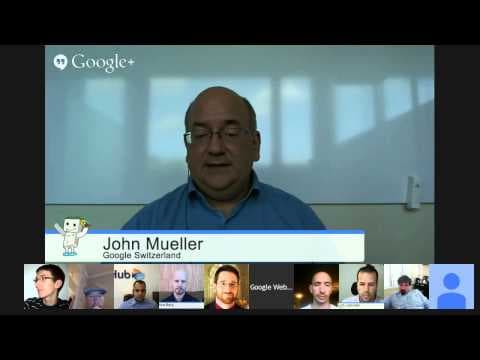
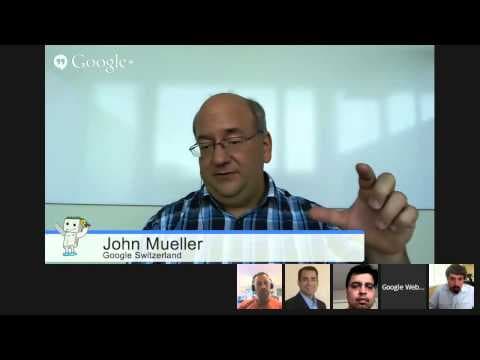
JOHN MUELLER: All right, welcome, everyone, to today's Webmaster Central Office Hours Hang out. My name is John Mueller. I am a webmaster trends analyst here at Google in Switzerland, and part of what we do are these Webmaster Office Hours Hang Outs, where webmasters, and SEOs, and interested people can join in and ask their questions around web se... Read More
Key Insights
- John Mueller suggests that the H1 tag is not a critical ranking factor, but it helps Google understand the page's context better.
- Google for Jobs traffic drop after migration could be due to ranking issues, not technical setup errors.
- Site migrations should be handled carefully, following guidelines to minimize ranking disruptions.
- Choosing between PWA and AMP depends on whether the site is content-focused or requires interactive features.
- Mobile-first indexing will only index the mobile version of a page, so content differences between desktop and mobile should be minimal.
- Google does not penalize for duplicate content but spun content is against webmaster guidelines.
- Canonical tags help with duplicate content but do not guarantee the original site will always rank higher.
- Using old PHP versions doesn't directly affect rankings but poses security risks that could lead to site hacks.
Install to Summarize YouTube Videos and Get Transcripts
Explore YouTube Video Summarizer or Get YouTube Transcript Extractor
Questions & Answers
Q: What should be done if a website loses Google for Jobs traffic after migration?
John Mueller suggests checking the technical setup and consulting with Google representatives to ensure everything is correct. If the setup is perfect, the issue might be related to ranking rather than technical errors. Providing sample URLs for further investigation could help identify potential problems.
Q: How important are H1 tags for Google rankings?
H1 tags are not a critical ranking factor, but they help Google understand the context of the page. They are similar to making text bold, indicating importance. While not crucial, adding H1 tags is a simple task that can enhance SEO and prevent tools from flagging their absence.
Q: What factors should be considered when choosing between PWA and AMP?
The choice between PWA and AMP depends on the website's needs. AMP is suitable for content-focused sites, offering easy publishing and fast loading. PWA is ideal for interactive features, offline access, and app-like experiences. Consider the site's goals and developer resources when making the decision.
Q: How does mobile-first indexing affect sites with different desktop and mobile content?
Mobile-first indexing prioritizes the mobile version of a site. If important content is missing on the mobile version, it won't be indexed. Sites should ensure content is similar across versions, as Google's classifier checks for content similarity before switching to mobile-first indexing.
Q: Does Google penalize for duplicate or spun content?
Google does not penalize for duplicate content but may take action against spun content, which is considered auto-generated and against webmaster guidelines. Spun content includes automated text generation, word swapping, and automatic translations, which can lead to site de-ranking or removal.
Q: How effective are canonical tags in managing duplicate content?
Canonical tags help Google understand which version of a page should be considered the primary one. However, they don't guarantee that the original site will always rank higher. Google may choose a different canonical if it deems it more relevant to users, especially if content is the same.
Q: Does using an old PHP version affect Google rankings?
Using an old PHP version doesn't directly affect rankings, but it poses security risks that could lead to site hacks. Google may send warnings through Search Console about vulnerabilities, urging site owners to update. Maintaining updated software is crucial for security and performance.
Q: What should be done if a site has many URLs with crawl issues?
If a site has numerous URLs with crawl issues, it's essential to prioritize and ensure that high-quality, important content is accessible. Reducing the number of low-value URLs can help, as can checking for server errors and ensuring mobile compatibility. Using the Google Search Console can provide insights into specific issues.
Summary & Key Takeaways
-
John Mueller discusses various webmaster-related topics, emphasizing the importance of H1 tags for context but not as a critical ranking factor. He addresses issues like Google for Jobs traffic drops and site migrations, providing insights into handling these challenges effectively.
-
The discussion touches on mobile-first indexing, highlighting the need for minimal content differences between desktop and mobile versions. Mueller also clarifies that while duplicate content isn't penalized, spun content violates Google's guidelines.
-
Mueller advises on the use of canonical tags for duplicate content and the impact of old PHP versions on site security. He stresses that while old PHP versions don't affect rankings, they could lead to vulnerabilities and potential site hacks.
Read in Other Languages (beta)
Share This Summary 📚
Summarize YouTube Videos and Get Video Transcripts with 1-Click
Try YouTube Summary with ChatGPT & Claude or YouTube Transcript Generator
Explore More Summaries from Google Search Central 📚
Summarize YouTube Videos and Get Video Transcripts with 1-Click
Try YouTube Summary with ChatGPT & Claude or YouTube Transcript Generator