Johann Hari - Financial Insecurity Causes Depression & Anxiety
TL;DR
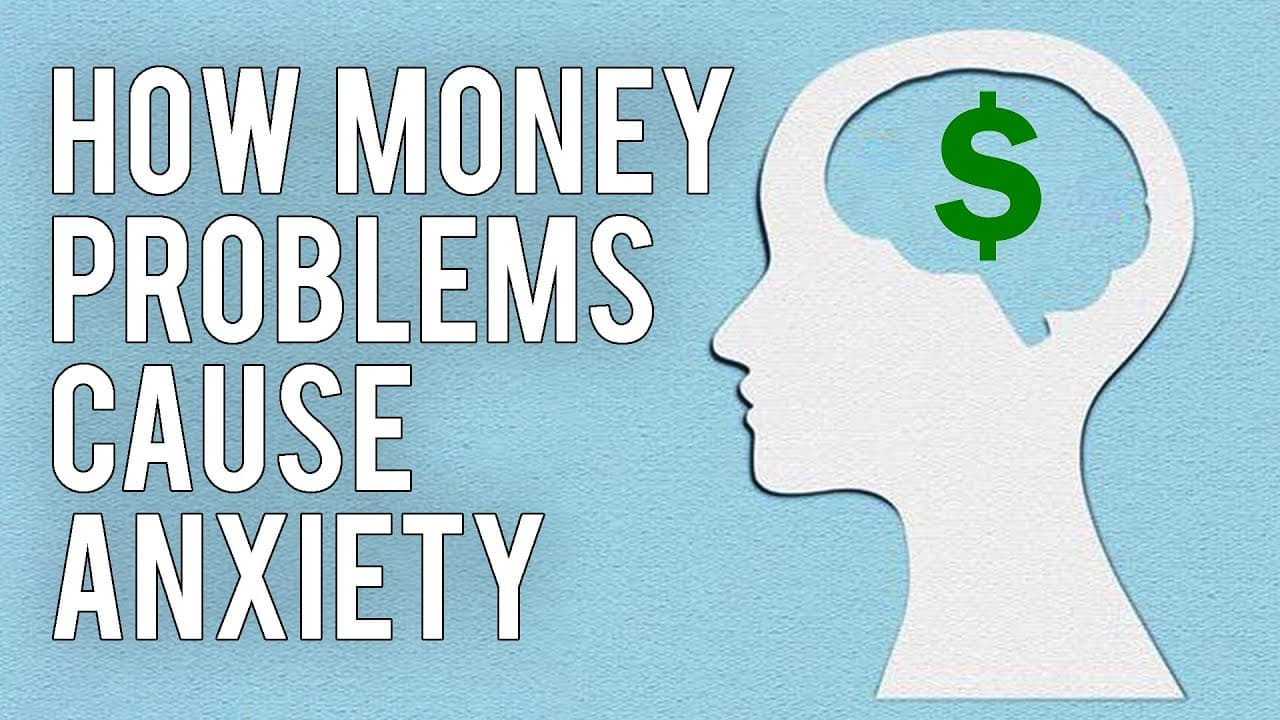
Financial insecurity is closely connected to depression and anxiety, and addressing it requires more than just individual solutions like meditation.
Transcript
financial insecurity causes depression and anxiety now that in some ways seems like a notion that sherlock insight right if you'd said to my nan or your nan you know do you think if you're really financially insecure you're gonna be more or less likely to be depressed my grandmother would have quit me around the ear and said stop [ __ ] wasting my ... Read More
Key Insights
- 🧑⚕️ Financial insecurity is a prominent cause of depression and anxiety, often overlooked in mental health discussions.
- 🧘 Individual solutions like meditation and news avoidance are limited and may not address the underlying problem of financial insecurity.
- 🪡 Depression and anxiety are not solely biological malfunctions but signals of unmet needs, requiring societal and collective action.
- 🧑⚕️ Society's perception of mental health often overlooks the social and environmental factors contributing to mental health struggles.
- ❓ Addressing financial insecurity through measures like a universal basic income can have a significant impact on reducing depression and anxiety.
- 🥺 Chronic financial stress can lead to a sense of helplessness and hopelessness, exacerbating mental health issues.
- 🫚 More comprehensive solutions are needed to address the root causes of depression and anxiety, extending beyond individual coping strategies.
Install to Summarize YouTube Videos and Get Transcripts
Explore YouTube Video Summarizer or Get YouTube Transcript Extractor
Questions & Answers
Q: How does financial insecurity contribute to depression and anxiety?
Financial insecurity creates constant worry and stress about meeting basic needs such as rent or feeding one's family. This chronic stress can lead to feelings of helplessness, hopelessness, and overwhelming anxiety.
Q: Are individual solutions like meditation and switching off the news effective for those experiencing financial insecurity?
While these individual solutions can help manage symptoms temporarily, they fail to address the root cause of financial insecurity. Without addressing the underlying issues, the feelings of depression and anxiety are likely to persist.
Q: How does society's perception of mental health contribute to the problem?
Society often stigmatizes mental health issues by portraying them as individual weaknesses or biological malfunctions. This overlooks the social and environmental factors that contribute to mental health struggles, leaving people feeling invalidated and misunderstood.
Q: Can a universal basic income be an effective solution for reducing depression and anxiety caused by financial insecurity?
Yes, evidence from studies and real-life examples like El Salvador and Canada suggests that a universal basic income can significantly alleviate financial insecurity and consequently reduce rates of depression and anxiety. It provides individuals with stability, decreases financial stress, and empowers them to make positive changes in their lives.
Summary & Key Takeaways
-
Financial insecurity is a significant cause of depression and anxiety, and its link has been intuitively understood by previous generations.
-
Limited individual solutions, such as meditation or switching off the news, can be insulting when financial worries are a significant source of anxiety.
-
Depressive and anxious symptoms are not solely biological malfunctions but signals that something isn't right in one's psyche or environment, calling for a need for change.
Read in Other Languages (beta)
Share This Summary 📚
Summarize YouTube Videos and Get Video Transcripts with 1-Click
Try YouTube Summary with ChatGPT & Claude or YouTube Transcript Generator
Explore More Summaries from Chris Williamson 📚






Summarize YouTube Videos and Get Video Transcripts with 1-Click
Try YouTube Summary with ChatGPT & Claude or YouTube Transcript Generator