How to Review Your Annual Budget Effectively

TL;DR
To effectively review your annual budget, analyze your income and expenses to determine where your money went throughout the year. Focus on intentional spending, balancing immediate needs with future goals, and reflect on areas for improvement based on your financial habits. This process helps in making informed financial decisions for the upcoming year.
Transcript
what are you so dressed up for what am i dressed up for can you guess it's our 2021 year end review i'm so excited hey guys what's up it's justine with debt free millennials the channel to help you crush your debt and live payment free this is my husband kyle cheers so what are we drinking all right we are not drinking beer this time we are drinkin... Read More
Key Insights
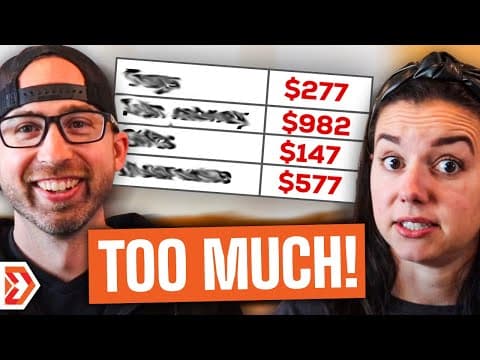
- 😑 Detailed breakdown of monthly expenses and pre-tax contributions.
- 🥅 Focus on intentional spending and financial planning for future goals.
- 👶 Impact of pandemic and having a newborn on financial decisions.
- 🥅 Importance of balancing immediate needs with future financial goals.
- 🚕 Consideration of retirement contributions and tax advantages.
- ❓ Reflection on spending habits and areas for improvement.
- 😫 Tracking expenses and setting realistic financial goals.
Install to Summarize YouTube Videos and Get Transcripts
Explore YouTube Video Summarizer or Get YouTube Transcript Extractor
Questions & Answers
Q: Why is a year-end budget review important?
A year-end budget review helps track expenses, assess financial goals, and make necessary adjustments for the upcoming year. It provides insight into spending habits and areas for improvement.
Q: How does intentional spending impact overall financial health?
Intentional spending involves making thoughtful and purposeful financial choices. By prioritizing needs over wants and aligning spending with values, intentional spending can help achieve financial goals and build wealth.
Q: What are the benefits of pre-tax contributions towards retirement?
Pre-tax contributions towards retirement provide tax advantages, help build long-term savings, and create a secure financial future. It allows individuals to save more efficiently for retirement while reducing taxable income.
Q: How can balancing immediate needs with future financial planning be achieved?
Balancing immediate needs with future financial planning involves prioritizing essential expenses, setting aside funds for savings and investments, and making intentional spending decisions. It requires a strategic approach to ensure financial stability and growth.
Summary & Key Takeaways
-
Detailed review of monthly expenses, pre-tax contributions, and budget allocations for key categories.
-
Focus on intentional spending and balancing immediate needs with future financial goals.
-
Insights into personal finance decisions while navigating the challenges of a pandemic and having a newborn.
Read in Other Languages (beta)
Share This Summary 📚
Summarize YouTube Videos and Get Video Transcripts with 1-Click
Try YouTube Summary with ChatGPT & Claude or YouTube Transcript Generator
Explore More Summaries from Debt Free Millennials 📚




Summarize YouTube Videos and Get Video Transcripts with 1-Click
Try YouTube Summary with ChatGPT & Claude or YouTube Transcript Generator