Enhance Your Dog’s Obedience with Proper Corrections!

TL;DR
Learn how to use corrections in dog training effectively.
Transcript
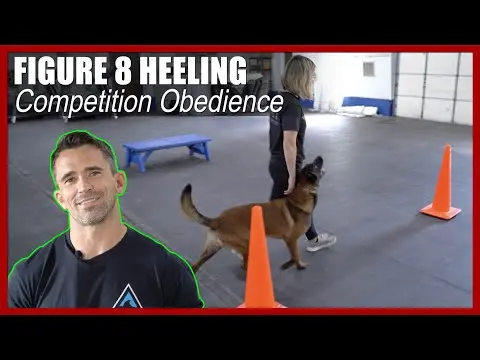
in today's video I'm going to be showing you exactly how I like to use Corrections within my obedience training and when I say corrections I mean the use of positive punishment I'm going to show you how to do a proper leash pop and I'm going to show you how to use a remote training collar my go-to remote training collar is e-collar technology they'... Read More
Key Insights
- Proper corrections in dog training involve using positive punishment techniques like leash pops and remote collars to address obedience and behavioral issues.
- Remote training collars, like e-collar technology, are recommended for achieving off-leash reliability in dogs, providing a way to correct dangerous or destructive behaviors.
- Corrections should not be used for fear-based or aggression-driven behaviors; instead, counterconditioning and desensitization are more effective.
- A correction event starts when the dog performs an undesired behavior, and it concludes once the correction is applied, followed by issuing a command and verbal praise.
- Consistency in corrections is crucial. Always follow through with a correction event, even if the dog complies after hearing 'no', to prevent them from learning to avoid correction events entirely.
- Dogs may respond to corrections with immediate compliance, evasion, running to a human, or freezing in place. Each response requires a calm and consistent approach to correction.
- Creating a positive association with the remote collar involves pairing it with enjoyable activities, helping dogs see it as a precursor to fun rather than punishment.
- Understanding a dog's unique correction level, akin to their 'bank account', is essential. Some dogs require higher corrections due to their temperament or breed characteristics.
Install to Summarize YouTube Videos and Get Transcripts
Explore YouTube Video Summarizer or Get YouTube Transcript Extractor
Questions & Answers
Q: What is the purpose of using corrections in dog training?
Corrections in dog training are used to address obedience and behavioral issues by applying positive punishment techniques, such as leash pops or remote collars. The goal is to teach the dog to avoid triggering correction events by complying with commands and not engaging in undesired behaviors, ultimately leading to better obedience and behavior.
Q: How should corrections be applied to avoid causing fear in dogs?
Corrections should be applied consistently and calmly, without yelling or aggression, to avoid causing fear in dogs. The correction event should follow a structured sequence: a marker word like 'no', a physical correction, re-command, and assist. The dog should understand the cause and effect of their actions, learning to avoid triggering correction events without associating them with fear or distrust.
Q: Why is it important to follow through with corrections even if the dog complies after hearing 'no'?
Following through with corrections, even if the dog complies after hearing 'no', is important to prevent the dog from learning to avoid correction events entirely. Consistent follow-through teaches the dog that compliance is expected before the correction event concludes, reinforcing the desired behavior and ensuring that the dog understands the rules and boundaries.
Q: What are some common responses dogs may have to correction events?
Common responses to correction events include immediate compliance, evasion, running to a human, or freezing in place. Each response requires a calm and consistent approach to correction. The dog should receive the correction regardless of the response, followed by guidance into the desired position, verbal praise, and petting to reinforce the correct behavior.
Q: How can a positive association with a remote collar be created?
A positive association with a remote collar can be created by pairing it with enjoyable activities. Put the collar on the dog before engaging in a fun activity, such as playing fetch or going for a walk, and remove it afterward. This helps the dog see the collar as a precursor to fun rather than punishment, building a positive association over time.
Q: What is the significance of understanding a dog's unique correction level?
Understanding a dog's unique correction level is crucial because it determines the appropriate intensity of corrections needed for effective training. Some dogs, due to their temperament or breed characteristics, may require higher corrections. Adjusting the correction level based on the dog's response ensures that the correction is effective without being excessive, promoting successful training outcomes.
Q: Why should corrections not be used for fear-based or aggression-driven behaviors?
Corrections should not be used for fear-based or aggression-driven behaviors because they can exacerbate these issues, increasing fear or aggression in the dog. Instead, counterconditioning and desensitization are more effective approaches, helping the dog gradually overcome their fears or aggressive tendencies without the negative impact of corrections.
Q: What is the role of a correction event in dog training?
A correction event in dog training is a structured sequence that starts when the dog performs an undesired behavior and concludes once the correction is applied. It involves a marker word, a physical correction, re-command, and assist. The correction event teaches the dog the cause and effect of their actions, helping them learn to avoid triggering these events and reinforcing the desired behavior.
Summary & Key Takeaways
-
This video demonstrates how to effectively use corrections, such as leash pops and remote collars, in dog training to address obedience and behavioral issues. It emphasizes the importance of consistency and understanding a dog's unique correction level for successful training.
-
The use of remote collars is advocated for achieving off-leash reliability, but corrections should not be used for fear-based or aggression-driven behaviors. Instead, counterconditioning and desensitization are recommended for these issues.
-
Corrections should be part of a structured sequence: a marker word, a physical correction, re-command, and assist. Consistency in this sequence ensures that dogs learn to avoid triggering correction events, leading to better obedience and behavior.
Read in Other Languages (beta)
Share This Summary 📚
Summarize YouTube Videos and Get Video Transcripts with 1-Click
Try YouTube Summary with ChatGPT & Claude or YouTube Transcript Generator
Explore More Summaries from Nate Schoemer 📚

Summarize YouTube Videos and Get Video Transcripts with 1-Click
Try YouTube Summary with ChatGPT & Claude or YouTube Transcript Generator