Fibonacci Mystery - Numberphile
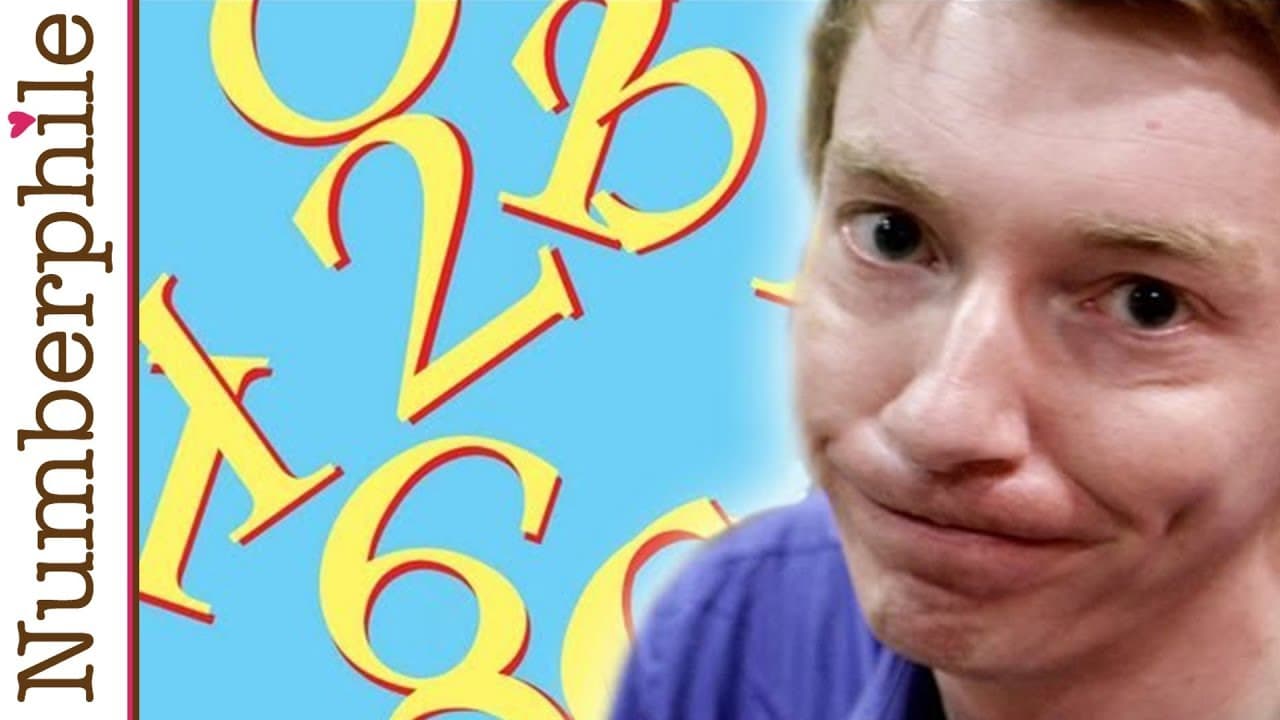
TL;DR
Analyzing how the Fibonacci sequence is converted into music by dividing numbers and finding patterns.
Transcript
Today I want to do a video response, a response to one of our own Numberphile videos because some time ago Brady made a video with our Numberphile composer Alan Stewart. It was a video - it was 40 minutes long this video, which was a test to our loyalty I think; but in that video, if you made it through, Alan described composing one of hi... Read More
Key Insights
- 🎵 The Fibonacci sequence is transformed into music by dividing the numbers and converting remainders into musical notes.
- 🎼 Patterns and periodic sequences, known as Pisano periods, are observed when converting Fibonacci numbers into music.
- #️⃣ Dividing Fibonacci numbers by different numbers reveals unique properties and repeating patterns in the remainders.
- 💁 The concept of remainders forms the basis for understanding the musical patterns created from the Fibonacci sequence.
- 🎼 Specific numbers chosen for division influence the length and nature of the Pisano period in musical compositions.
- 🎼 Mathematicians have studied the conversion of Fibonacci numbers into music, uncovering patterns and sequences related to remainders.
- 🎵 The transition from remainders to musical notes highlights the mathematical beauty and complexity behind integrating Fibonacci sequences into music composition.
Install to Summarize YouTube Videos and Get Transcripts
Explore YouTube Video Summarizer or Get YouTube Transcript Extractor
Questions & Answers
Q: How is the Fibonacci sequence integrated into music composition?
The Fibonacci sequence is converted into music by dividing the numbers and turning remainders into musical notes, creating a pattern that repeats every few numbers.
Q: What is a Pisano period in relation to the Fibonacci sequence?
A Pisano period is a repeating pattern found within the remainders of dividing Fibonacci numbers by a specific number, where the sequence of remainders repeats itself after a certain number of values.
Q: What mathematical results and properties are observed when dividing Fibonacci numbers by different numbers?
Various patterns and periodic sequences emerge when dividing Fibonacci numbers by different numbers, showcasing unique properties like remainders forming repeating musical patterns and triggering points that loop back to the start of the sequence.
Q: Why is there no general formula for the length of the period when converting Fibonacci numbers into music?
The length of the period in converting Fibonacci numbers into music by dividing remains unknown due to the complexity of the sequences and the interactions between remainders, making it challenging to predict a universal formula for the period's length.
Summary & Key Takeaways
-
The video discusses how the Fibonacci sequence is integrated into music by dividing the sequence by 7 and converting remainders into musical notes.
-
A repeating pattern, called a Pisano period, is discovered every 16 numbers in the converted musical notes.
-
The concept of remainders in dividing Fibonacci numbers by various numbers reveals patterns and repeat sequences.
Read in Other Languages (beta)
Share This Summary 📚
Summarize YouTube Videos and Get Video Transcripts with 1-Click
Try YouTube Summary with ChatGPT & Claude or YouTube Transcript Generator
Explore More Summaries from Numberphile 📚

Summarize YouTube Videos and Get Video Transcripts with 1-Click
Try YouTube Summary with ChatGPT & Claude or YouTube Transcript Generator