Common white blood cells can be hijacked to support cancer spread
TL;DR
Cancer cells hijack neutrophils to facilitate metastasis.
Transcript
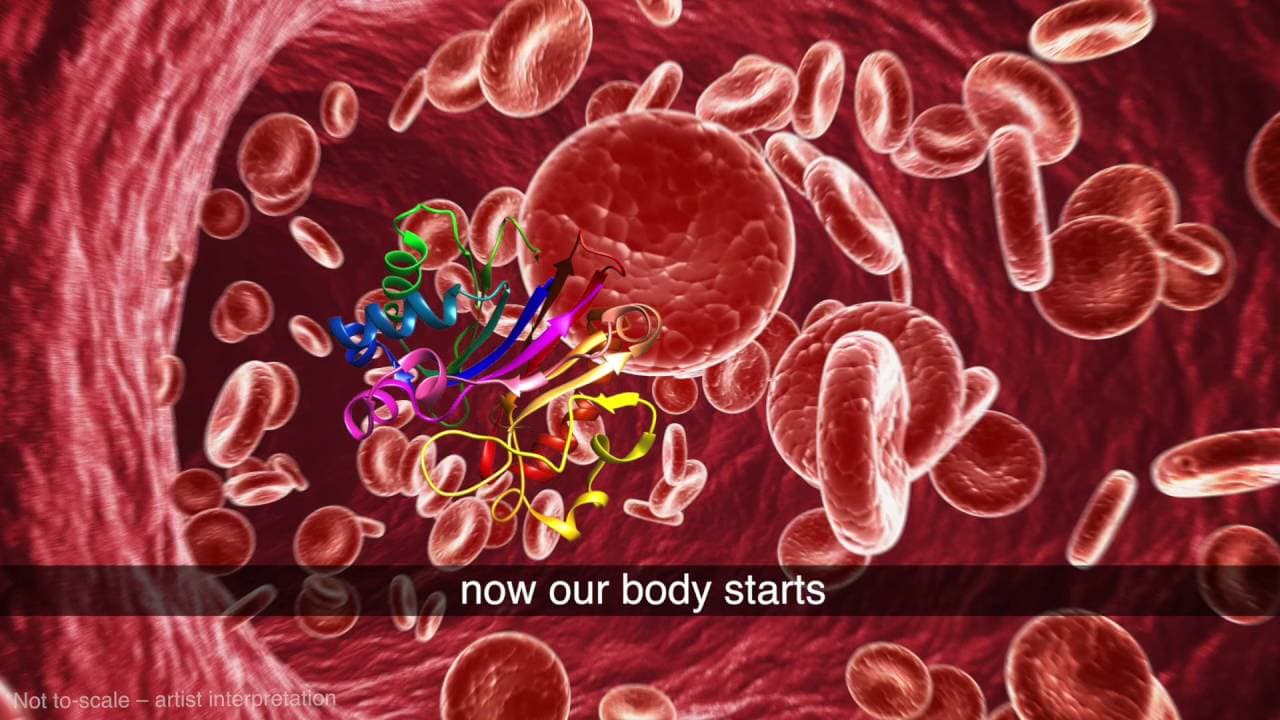
So what we found is a new way that cancer cells can hijack our white blood cells these cells that normally protect us to help them spread to other tissues and that is related to this image here which is something called electron microscopy where you can see very high detail so this white blood cell that we have looked at is called a neutrophil and ... Read More
Key Insights
- Neutrophils, the most common white blood cells, can be hijacked by cancer cells to aid in the spread of cancer to other tissues.
- Normally, neutrophils kill bacteria by engulfing them, but some microorganisms have adapted to avoid this process.
- Neutrophils can expel their DNA to form a web-like structure that traps and kills bacteria outside the cell using enzymes and toxins.
- This DNA web, or 'spider web,' can also facilitate cancer spread by breaking down tissue barriers, allowing cancer cells to invade new areas.
- Researchers are investigating whether preventing the formation of these webs can stop cancer metastasis.
- In cystic fibrosis, neutrophils form excessive webs due to persistent lung infections, and a dissolving agent is used to treat this condition.
- The dissolving agent, when attached to nanoparticles, remains stable in the body longer, potentially offering a new cancer treatment approach.
- Ongoing research aims to identify patients who could benefit from this treatment and determine the best strategies for targeting the neutrophil webs.
Install to Summarize YouTube Videos and Get Transcripts
Explore YouTube Video Summarizer or Get YouTube Transcript Extractor
Questions & Answers
Q: How do neutrophils normally function in the immune system?
Neutrophils are the most common type of white blood cell and play a crucial role in the immune system by attacking and engulfing bacteria and other pathogens. They use enzymes and toxins to kill these invaders inside the cell. However, some microorganisms have developed strategies to avoid being engulfed, prompting neutrophils to adapt by using their DNA to form webs that trap and kill bacteria outside the cell.
Q: What role do neutrophil webs play in cancer spread?
Neutrophil webs, made from expelled DNA, can facilitate cancer spread by breaking down tissue barriers, allowing cancer cells to invade new areas. The enzymes and toxins in these webs, normally used to kill bacteria, can also digest and dissolve tissues, creating pathways for cancer cells to move through the body and establish metastases.
Q: What is the significance of cystic fibrosis in this research?
In cystic fibrosis, neutrophils form excessive DNA webs due to persistent lung infections. A dissolving agent is used to break down these webs, providing a potential treatment model for cancer. Researchers are investigating if this agent, when stabilized with nanoparticles, can be used to prevent cancer metastasis by targeting and dissolving neutrophil webs that aid in cancer spread.
Q: How do nanoparticles enhance the dissolving agent for cancer treatment?
Nanoparticles enhance the dissolving agent by increasing its stability and longevity in the body. When the agent is attached to nanoparticles, it remains active for a more extended period, potentially improving its effectiveness in targeting and breaking down the DNA webs formed by neutrophils. This could lead to a more efficient method of preventing cancer spread.
Q: What are the current research challenges in this study?
Current research challenges include identifying the patients who would benefit most from this treatment, determining the optimal timing and method of administering the treatment, and addressing logistical issues related to targeting the neutrophil webs. These challenges must be resolved before the treatment can be applied clinically to prevent or reduce cancer metastasis.
Q: Why is it important to prevent the formation of neutrophil webs?
Preventing the formation of neutrophil webs is important because these structures can facilitate cancer metastasis by breaking down tissue barriers, allowing cancer cells to spread more easily throughout the body. By targeting these webs, researchers aim to develop new treatments that could potentially stop or slow down the spread of cancer, improving patient outcomes.
Q: What potential treatments are being explored to target neutrophil webs?
Researchers are exploring treatments that involve using a dissolving agent, stabilized with nanoparticles, to target and break down neutrophil webs. This approach aims to prevent cancer spread by disrupting the structures that facilitate metastasis. The research is focused on optimizing this treatment strategy and determining its effectiveness in clinical settings.
Q: How might this research impact future cancer treatments?
This research could significantly impact future cancer treatments by providing a novel approach to preventing metastasis. By targeting the neutrophil webs that aid in cancer spread, new therapies could emerge that focus on stopping cancer cells from invading new tissues. This approach has the potential to improve survival rates and quality of life for cancer patients.
Summary & Key Takeaways
-
Neutrophils, common white blood cells, can be manipulated by cancer cells to spread the disease. Normally, neutrophils kill bacteria by engulfing them, but they can also form DNA webs that trap and kill bacteria outside the cell. These webs may help cancer cells invade new tissues.
-
Researchers are exploring ways to prevent cancer metastasis by targeting the DNA webs formed by neutrophils. In cystic fibrosis, a dissolving agent is used to break down these webs, and attaching the agent to nanoparticles could enhance its stability and effectiveness in treating cancer.
-
The research focuses on identifying patients who may benefit from this treatment and optimizing the method of targeting the neutrophil webs. This approach could offer a novel way to prevent or reduce cancer spread, but logistical challenges remain before clinical application.
Read in Other Languages (beta)
Share This Summary 📚
Summarize YouTube Videos and Get Video Transcripts with 1-Click
Try YouTube Summary with ChatGPT & Claude or YouTube Transcript Generator
Explore More Summaries from Cold Spring Harbor Laboratory 📚





Summarize YouTube Videos and Get Video Transcripts with 1-Click
Try YouTube Summary with ChatGPT & Claude or YouTube Transcript Generator