What Makes Moonlight a Cinematic Masterpiece?
TL;DR
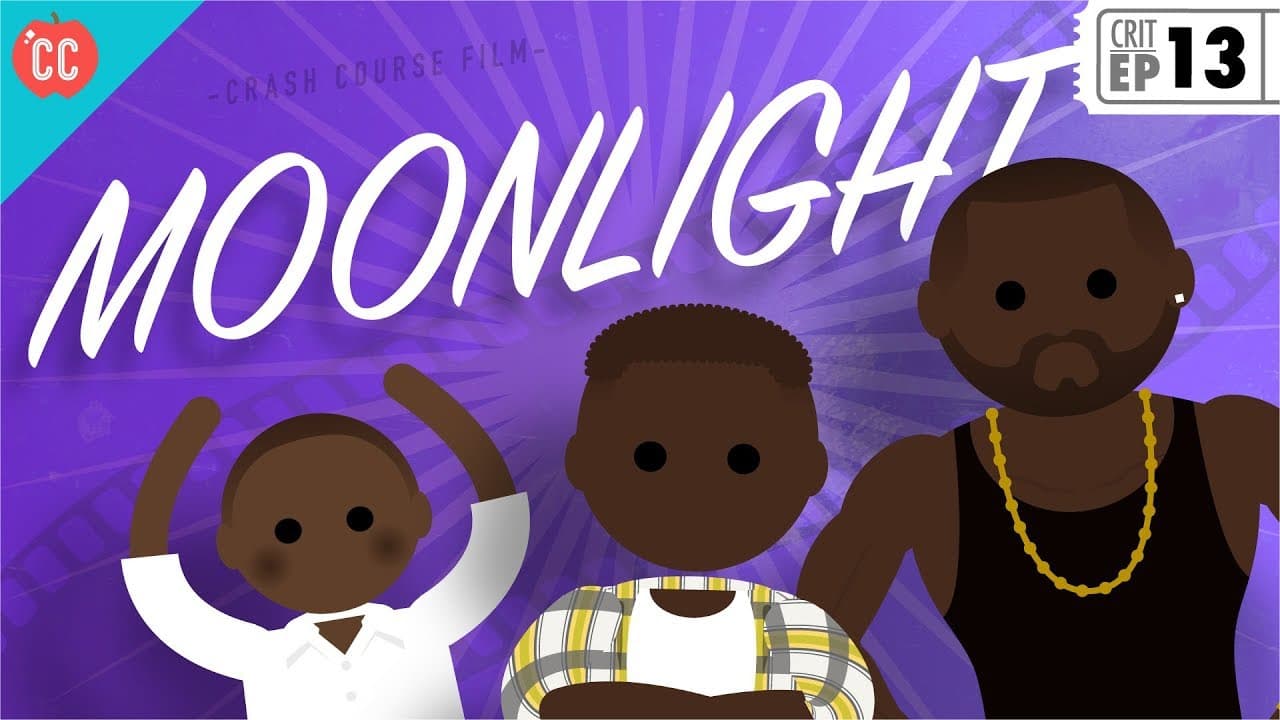
Moonlight is a powerful film that explores the life of Chiron, a young black gay man, through three pivotal stages. Director Barry Jenkins uses a blend of realist and formalist techniques to immerse viewers in Chiron's emotional journey, challenging stereotypes about black masculinity and sexuality. The film's unique structure and compassionate storytelling offer a profound commentary on identity and self-acceptance.
Transcript
Some movies are huge spectacles, with stunning special effects and mythic characters who hold the fate of the universe in their hands. On the other end of the spectrum are more intimate films, with complex characters navigating their everyday lives. But just because the scale is smaller, it doesn’t mean they’re any less powerful. Today we’re going ... Read More
Key Insights
- Moonlight is adapted from an unproduced play by Tarell Alvin McCraney.
- The film explores themes of masculinity and growing up gay, challenging stereotypes of black men.
- Moonlight follows Chiron's life in three stages: boyhood, teenage years, and adulthood.
- Barry Jenkins uses subjective filmmaking to immerse viewers in Chiron's perspective.
- The film employs both realist and formalist styles to enhance emotional storytelling.
- Chiron's relationship with Kevin offers a tender portrayal of vulnerability and connection.
- The film critiques traditional depictions of black masculinity in mainstream media.
- Moonlight's style combines naturalistic scenes with impressionistic, emotionally charged moments.
Install to Summarize YouTube Videos and Get Transcripts
Explore YouTube Video Summarizer or Get YouTube Transcript Extractor
Questions & Answers
Q: How does Moonlight challenge stereotypes of black masculinity?
Moonlight challenges stereotypes of black masculinity by presenting its protagonist, Chiron, as a complex and vulnerable character. The film contrasts traditional depictions of black men as macho or brutal by exploring Chiron's emotional journey and relationships, particularly with his mentor Juan and friend Kevin. Through intimate and tender moments, the film highlights the importance of vulnerability and connection, offering a fresh perspective on black masculinity.
Q: What filmmaking techniques does Barry Jenkins use in Moonlight?
Barry Jenkins employs a mix of realist and formalist filmmaking techniques in Moonlight to immerse viewers in Chiron's perspective. Realist techniques, such as handheld shots and natural lighting, create a sense of authenticity, while formalist elements like impressionistic shots and subjective camerawork highlight emotional moments. This blend of styles enhances the film's storytelling, allowing viewers to connect deeply with Chiron's experiences and emotions.
Q: What is the significance of the swimming scene in Moonlight?
The swimming scene in Moonlight is significant because it symbolizes Chiron's journey towards self-reliance and trust. Juan, Chiron's mentor, teaches him to swim, representing a broader lesson about navigating life's challenges. The subjective camerawork and editing emphasize Chiron's internal conflict and eventual liberation, as he learns to accept help and build human connections. This scene also challenges stereotypes about black Americans and swimming, adding layers of meaning to the narrative.
Q: How does Moonlight depict Chiron's relationship with Kevin?
Moonlight depicts Chiron's relationship with Kevin as a crucial part of his emotional journey. Their connection offers a rare portrayal of vulnerability and intimacy between two black men, challenging traditional media depictions. Through tender moments and shared experiences, the film explores themes of identity, acceptance, and love. The relationship serves as a catalyst for Chiron's self-discovery, highlighting the importance of genuine human connections in overcoming societal expectations.
Q: What themes are explored in Moonlight?
Moonlight explores themes of identity, masculinity, sexuality, and self-acceptance. The film delves into Chiron's struggles with societal expectations and stereotypes, particularly as a black gay man. Through its unique narrative structure and character-driven storytelling, Moonlight examines the complexities of growing up in a marginalized community and the importance of finding one's true self. The film's compassionate approach offers a poignant commentary on the challenges of navigating identity in a sometimes unforgiving world.
Q: How does Moonlight use realism and formalism in its storytelling?
Moonlight uses a combination of realism and formalism to enhance its storytelling. Realist techniques, such as natural lighting and handheld shots, create an authentic atmosphere, allowing viewers to feel present in Chiron's world. In contrast, formalist elements like impressionistic shots and subjective camerawork emphasize emotional moments, drawing viewers into Chiron's internal struggles. This blend of styles allows the film to effectively convey complex themes and immerse audiences in Chiron's perspective.
Q: What role does Juan play in Chiron's life in Moonlight?
In Moonlight, Juan plays a pivotal role as a mentor and father figure to Chiron. He provides guidance and support, teaching Chiron valuable lessons about identity, trust, and self-reliance. Juan's compassion and understanding offer a counter-narrative to the harsh stereotypes often associated with drug dealers in mainstream films. Through their relationship, Juan helps Chiron navigate the challenges of growing up in a marginalized community, leaving a lasting impact on his journey towards self-acceptance.
Q: How does Moonlight's narrative structure enhance its themes?
Moonlight's narrative structure, divided into three parts, enhances its themes by illustrating Chiron's growth and struggles across different life stages. Each section highlights key moments in his journey, providing insight into his evolving identity and relationships. This structure allows the film to explore complex themes of masculinity, sexuality, and self-acceptance in a nuanced way, showing how Chiron's experiences shape his understanding of himself and the world around him. The film's unique approach offers a profound commentary on the challenges of navigating identity in a marginalized community.
Summary & Key Takeaways
-
Moonlight, directed by Barry Jenkins, tells the story of Chiron, a young black gay man, through three stages of his life. The film challenges stereotypes about black masculinity and sexuality by exploring Chiron's emotional journey and relationships, particularly with his mentor Juan and friend Kevin. Jenkins uses a mix of realist and formalist techniques to immerse viewers in Chiron's perspective, creating a powerful narrative about identity and self-acceptance.
-
The film's unique structure highlights Chiron's struggles with identity, masculinity, and acceptance in a world that often marginalizes him. Key scenes, like Juan teaching Chiron to swim, use subjective camerawork to convey deeper meanings about trust and self-reliance. Moonlight's portrayal of black American men as complex and vulnerable contrasts with typical media depictions, offering a fresh perspective on race and sexuality.
-
Moonlight's combination of naturalistic and formalist styles enhances its emotional impact, drawing viewers into Chiron's inner world. The film's compassionate storytelling and exploration of complex themes make it a standout in contemporary cinema. By focusing on Chiron's personal journey, Moonlight offers a poignant commentary on the challenges of growing up as a gay black man in America, ultimately advocating for self-acceptance and understanding.
Read in Other Languages (beta)
Share This Summary 📚
Summarize YouTube Videos and Get Video Transcripts with 1-Click
Try YouTube Summary with ChatGPT & Claude or YouTube Transcript Generator
Explore More Summaries from CrashCourse 📚






Summarize YouTube Videos and Get Video Transcripts with 1-Click
Try YouTube Summary with ChatGPT & Claude or YouTube Transcript Generator