High-resolution screen printing demystified
TL;DR
Learn how to achieve high resolution screen printing on various substrates using the right equipment and techniques.
Transcript
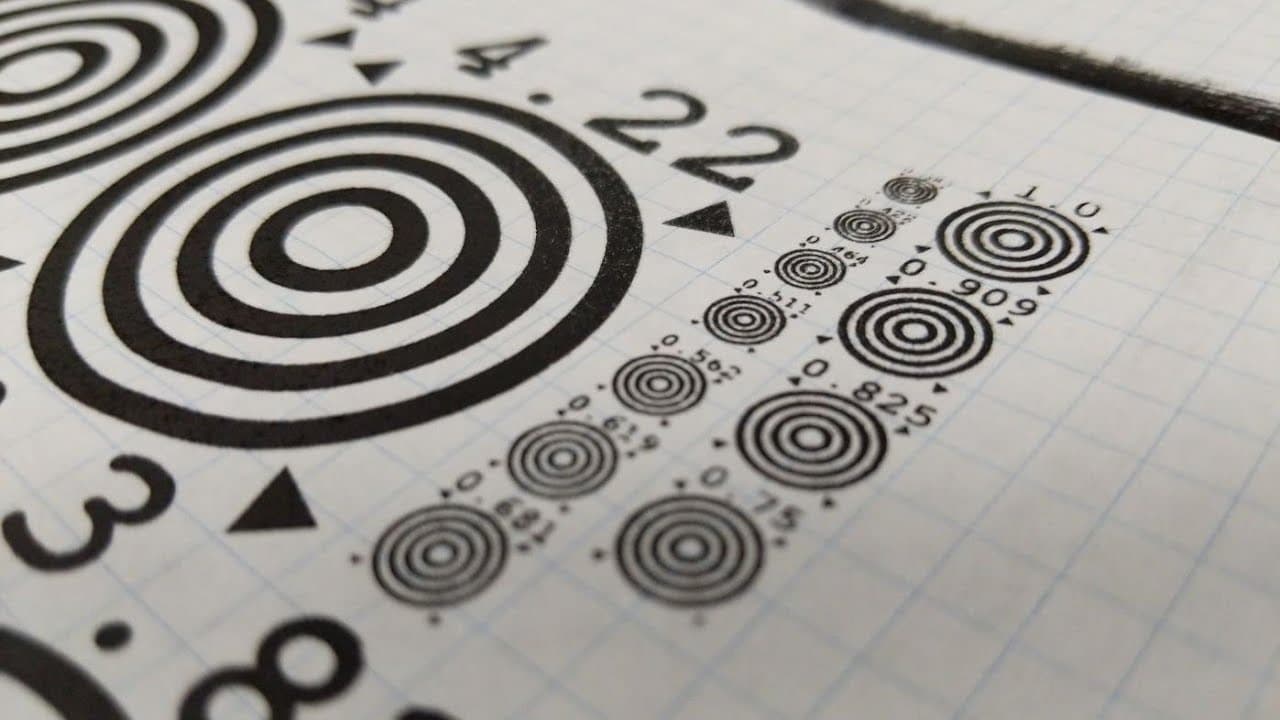
today on Applied Science we're going to talk about screen printing this is a well known process for transferring graphics on to a variety of different substrates and so you'd think there would be a lot of great info on the web about getting started perhaps even a kit of all the equipment you need to do this but surprisingly there is almost no infor... Read More
Key Insights
- 💻 Screen resolution is determined not only by the screen's thread count but also by the consistency of the photosensitive layer used.
- 😑 Pre-stretched frames are recommended for easy screen setup and maintenance.
- 🪡 Various types of photo emulsions can be used, with different options available to cater to specific needs.
- 🙂 Ultraviolet light exposure can be done using UV light sources, sunlight, or mercury vapor lamps.
- 🤵 Washing out excess photosensitive layer requires minimal equipment and can be done under normal room lighting conditions.
- 👣 Translucent vellum paper is more suitable for printing artwork than transparencies.
- 😉 Choosing the right ink is essential for achieving desired print quality and performance.
Install to Summarize YouTube Videos and Get Transcripts
Explore YouTube Video Summarizer or Get YouTube Transcript Extractor
Questions & Answers
Q: What is the basic process of screen printing?
The process involves coating a screen with a photosensitive chemical, exposing it to light through a printed transparency, rinsing away the unexposed areas, and using the screen to print the desired design on a substrate.
Q: What is the importance of choosing the right screen?
The screen's thread count determines the resolution of the print. While higher counts allow for finer details, they also pass less ink, making them more difficult to work with. Optimal results are usually achieved with screens ranging from 250 to 300 thread count.
Q: Can any ink be used for screen printing?
While screen printing allows for the use of various inks, purpose-built screen printing inks offer the best results in terms of adhesion, density, and performance. Epoxy-based paints, in particular, provide excellent results but require special cleaning agents for cleanup.
Q: How can the resolution of screen printing be improved?
Achieving high resolution screen prints requires careful attention to detail. Using a 600 dpi printer and ensuring high contrast in the artwork can help improve resolution. Fine-tuning the exposure and focusing on getting the artwork in good contact with the screen are also crucial.
Summary & Key Takeaways
-
Screen printing is a process of transferring graphics onto different substrates using a photosensitive chemical and ink.
-
Choosing the right screen with the appropriate thread count is crucial for achieving high resolution prints.
-
Using pre-stretched frames and yellow-dyed screens can improve resolution and prevent reflections for better print quality.
Read in Other Languages (beta)
Share This Summary 📚
Summarize YouTube Videos and Get Video Transcripts with 1-Click
Try YouTube Summary with ChatGPT & Claude or YouTube Transcript Generator
Explore More Summaries from Applied Science 📚
Summarize YouTube Videos and Get Video Transcripts with 1-Click
Try YouTube Summary with ChatGPT & Claude or YouTube Transcript Generator