Overpopulation & Africa
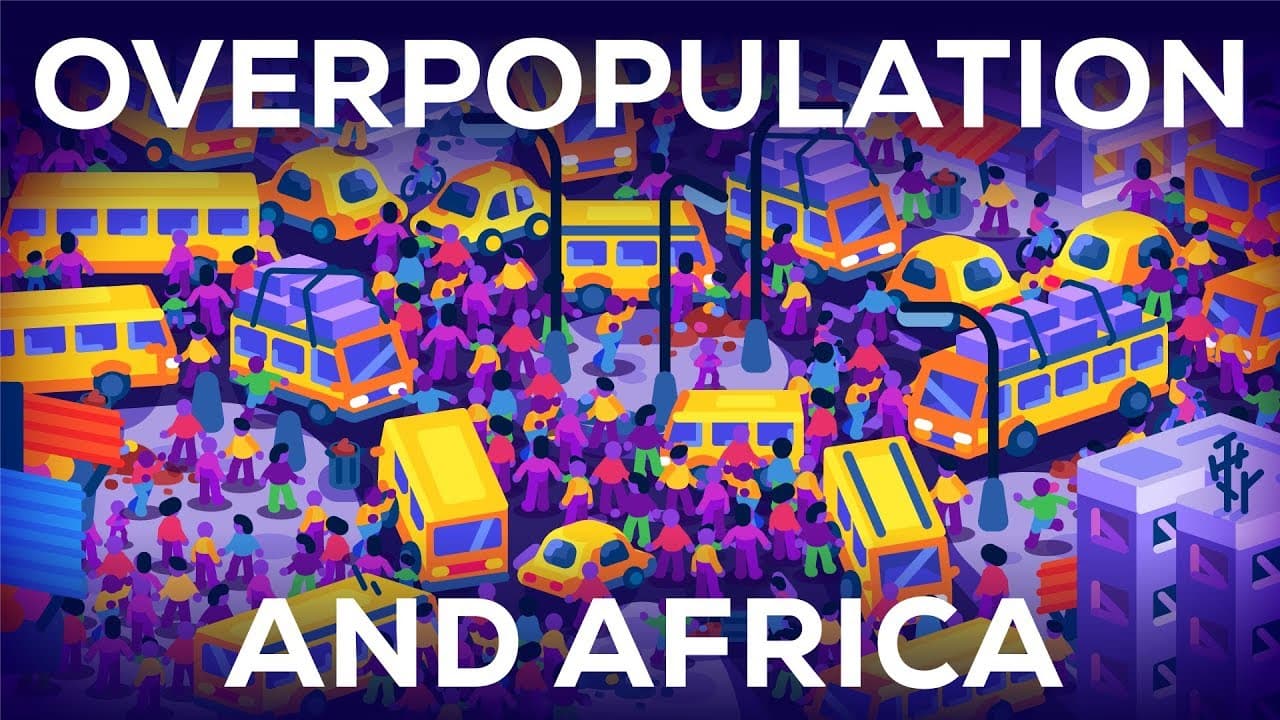
TL;DR
Sub-Saharan Africa faces complex population growth challenges with potential solutions lying in education and family planning.
Transcript
For most of our history, the human population grew slowly, until new discoveries brought us more food, and made us live longer. In just a hundred years, the human population quadrupled. This led to apocalyptic visions of an overcrowded earth. But the population growth rate actually peaked in the 1960s. Since then, fertility rates have crashed as co... Read More
Key Insights
- ☠️ Population growth rates in Sub-Saharan Africa remain higher compared to other regions, with varying projections for the future.
- 🧑🏭 Historical factors, colonization, and ethnic diversity influence population growth trends and development challenges.
- ☠️ Successful models from countries like Bangladesh highlight the importance of education, healthcare, and family planning in reducing population growth rates.
- 👪 Investment in education, family planning, and healthcare can have a profound impact on population growth and economic development in Sub-Saharan Africa.
- 🌍 Addressing cultural beliefs, historical legacies, and infrastructure limitations are crucial in designing effective solutions for population growth challenges in Sub-Saharan Africa.
- 🥳 Empowering women, providing universal access to contraception, and promoting education can lead to significant reductions in birth rates and population growth in the region.
- 🧑⚕️ Ethiopia's progress in improving health services and education demonstrates that with proper investments and attention, positive changes can be achieved in population growth trends.
Install to Summarize YouTube Videos and Get Transcripts
Explore YouTube Video Summarizer or Get YouTube Transcript Extractor
Questions & Answers
Q: Why has Sub-Saharan Africa's population growth rate remained higher compared to other regions?
Sub-Saharan Africa faces challenges such as slower education improvement and higher unmet need for modern contraception among adolescents, impacting population growth rates. Additionally, historical factors like colonization and ethnic diversity contribute to these differences.
Q: How did countries like Bangladesh successfully reduce their population growth rates?
Countries like Bangladesh implemented successful family planning programs focusing on education, healthcare, and contraception availability. As a result, birth rates declined, child mortality reduced, and the economy improved, leading to demographic and economic transformations.
Q: What are some key factors influencing population growth projections in Sub-Saharan Africa?
Factors like cultural beliefs, historical legacies, infrastructure limitations, and access to healthcare and education contribute to varying population growth projections in the diverse countries of Sub-Saharan Africa.
Q: What solutions can help address the challenges of population growth in Sub-Saharan Africa?
Investments in education, family planning, and healthcare, coupled with efforts to empower women and provide universal access to contraception, can significantly impact population growth trends in Sub-Saharan Africa.
Summary & Key Takeaways
-
The human population growth rate peaked in the 1960s and is now expected to reach around 11 billion by the end of the century.
-
Sub-Saharan Africa's population growth, though slowing, remains higher compared to the rest of the world, with projections varying from 2.6 billion to 5 billion by 2100.
-
Factors like education, healthcare, and contraceptive availability play crucial roles in population growth trends and economic development across regions.
Read in Other Languages (beta)
Share This Summary 📚
Summarize YouTube Videos and Get Video Transcripts with 1-Click
Try YouTube Summary with ChatGPT & Claude or YouTube Transcript Generator
Explore More Summaries from Kurzgesagt – In a Nutshell 📚






Summarize YouTube Videos and Get Video Transcripts with 1-Click
Try YouTube Summary with ChatGPT & Claude or YouTube Transcript Generator