The First Step To Teaching Your Dog The Perfect Send Out!
TL;DR
Guide dogs to target and return with precision and motivation.
Transcript
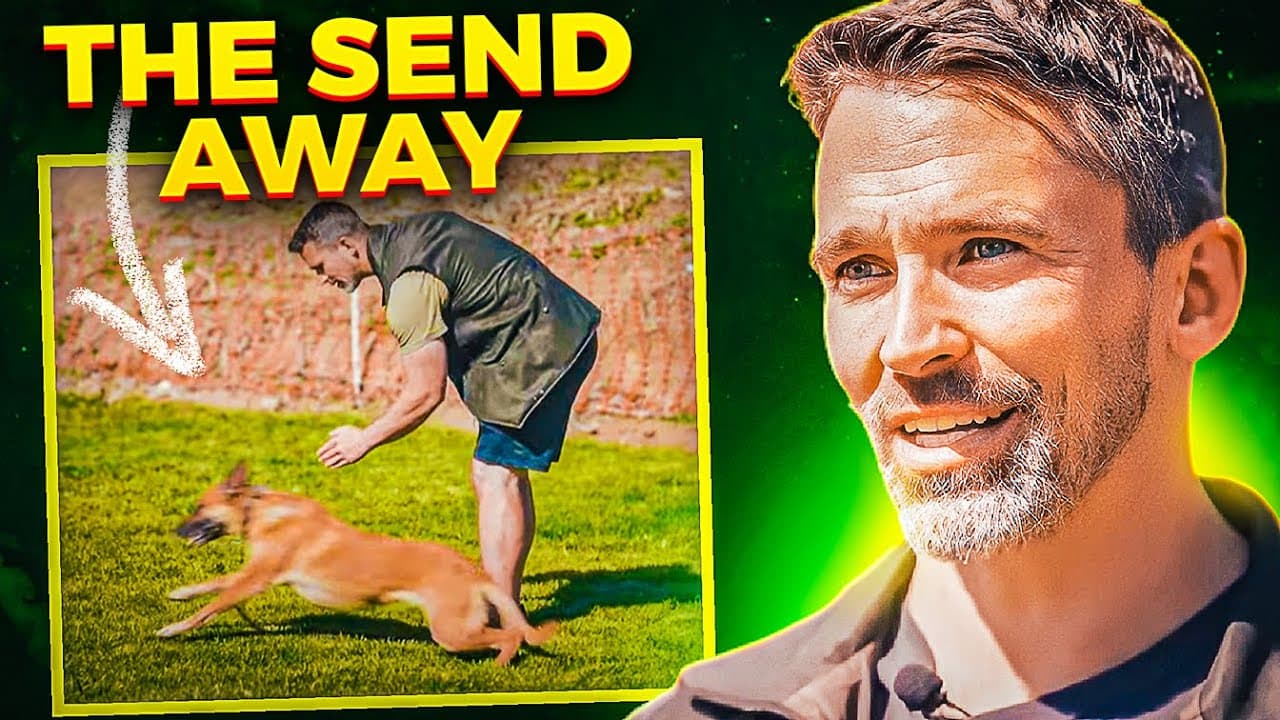
today we're going to be starting with the send out I want you guys to work where you are with your dog I know each dog is going to be at a slightly different stage we're going to have one person loading and then you're going to be working on sending your dog and having your dog come back if you can into the heel position so guide them back when the... Read More
Key Insights
- The send out exercise involves guiding the dog to a target and having them return to the heel position, using verbal and physical cues.
- Tailor the training to each dog's current stage, adjusting distance and reinforcement based on their needs and responses.
- High-value treats can enhance motivation, but vary the rewards to maintain the dog's interest and engagement.
- Verbal commands are ultimately more challenging than physical cues, so aim to transition to verbal commands for a more advanced training.
- Consistency in guiding dogs back to the heel position reinforces this behavior as their default response during training.
- Using a high-pitched voice can elicit a more enthusiastic response from dogs, as it mimics the sounds of play and excitement.
- Avoid reinforcing unwanted behaviors like barking by not rewarding them during training exercises.
- Regular practice and incremental challenges help dogs understand the pattern of the exercise, leading to better performance over time.
Install to Summarize YouTube Videos and Get Transcripts
Explore YouTube Video Summarizer or Get YouTube Transcript Extractor
Questions & Answers
Q: What is the main focus of the send out exercise?
The send out exercise focuses on guiding dogs to a designated target and having them return to the heel position. The exercise aims to improve the dog's ability to follow commands and maintain focus, using a combination of verbal and physical cues to reinforce desired behaviors. The ultimate goal is for dogs to respond to verbal commands alone.
Q: How should trainers adjust the exercise for different dogs?
Trainers should tailor the exercise to each dog's current training stage by adjusting the distance from the target and the level of reinforcement. Some dogs may need to start closer to the target, while others can begin further away. Trainers should also vary the rewards to maintain the dog's interest and motivation, using high-value treats when necessary.
Q: Why is it important to use verbal commands over physical cues?
Verbal commands are generally more challenging for dogs to learn than physical cues. Training dogs to respond to verbal commands enhances their ability to follow instructions without relying on visual prompts. This skill is particularly valuable in situations where physical cues may not be visible or practical, making the dog more versatile and responsive.
Q: What role does a high-pitched voice play in dog training?
A high-pitched voice can elicit a more enthusiastic and positive response from dogs. It mimics the sounds of play and excitement, which dogs naturally respond to with increased energy and eagerness. Using a high-pitched voice during training can help reinforce positive behaviors and encourage dogs to engage more actively in the exercise.
Q: How can trainers avoid reinforcing unwanted behaviors like barking?
Trainers should avoid rewarding unwanted behaviors like barking by not providing treats or praise when the dog barks during the exercise. Instead, they should focus on reinforcing the desired behaviors, such as returning to the heel position quietly. Consistency in this approach helps the dog understand which behaviors are acceptable and which are not.
Q: What is the benefit of randomizing rewards during training?
Randomizing rewards keeps the dog engaged and motivated, as they are unsure of what reward they will receive. This uncertainty can increase their enthusiasm and speed during the exercise, as they anticipate a high-value treat. It also prevents the dog from becoming complacent or bored with the training routine.
Q: How can trainers ensure their dogs understand the exercise pattern?
Trainers should consistently practice the exercise, gradually increasing the complexity and distance as the dog becomes more proficient. By maintaining a clear pattern of guiding the dog to the target and back to the heel position, trainers reinforce the exercise's structure. Regular practice helps the dog internalize the sequence and perform it more reliably.
Q: What should trainers do if a dog becomes confused during the exercise?
If a dog becomes confused, trainers should assist by guiding them physically to the target or back to the heel position. This support helps the dog understand the exercise's expectations and reinforces the desired behavior. Over time, with consistent practice and guidance, the dog will learn to perform the exercise independently.
Summary & Key Takeaways
-
The video provides step-by-step instructions for teaching dogs the send out exercise, focusing on guiding them to a target and back to the heel position. It highlights the importance of adapting the training to each dog's level and using high-value rewards.
-
The trainer emphasizes the ultimate goal of using verbal commands over physical cues, as they are more challenging for dogs. Consistent practice and positive reinforcement help dogs learn the exercise pattern and improve their skills.
-
High-pitched praise and varying rewards keep dogs motivated. The trainer advises against reinforcing unwanted behaviors like barking during the exercise and suggests regular practice to enhance understanding and performance.
Read in Other Languages (beta)
Share This Summary 📚
Summarize YouTube Videos and Get Video Transcripts with 1-Click
Try YouTube Summary with ChatGPT & Claude or YouTube Transcript Generator
Explore More Summaries from Nate Schoemer 📚


Summarize YouTube Videos and Get Video Transcripts with 1-Click
Try YouTube Summary with ChatGPT & Claude or YouTube Transcript Generator