Why Do Humans Age? Exploring Biological Mechanisms
TL;DR
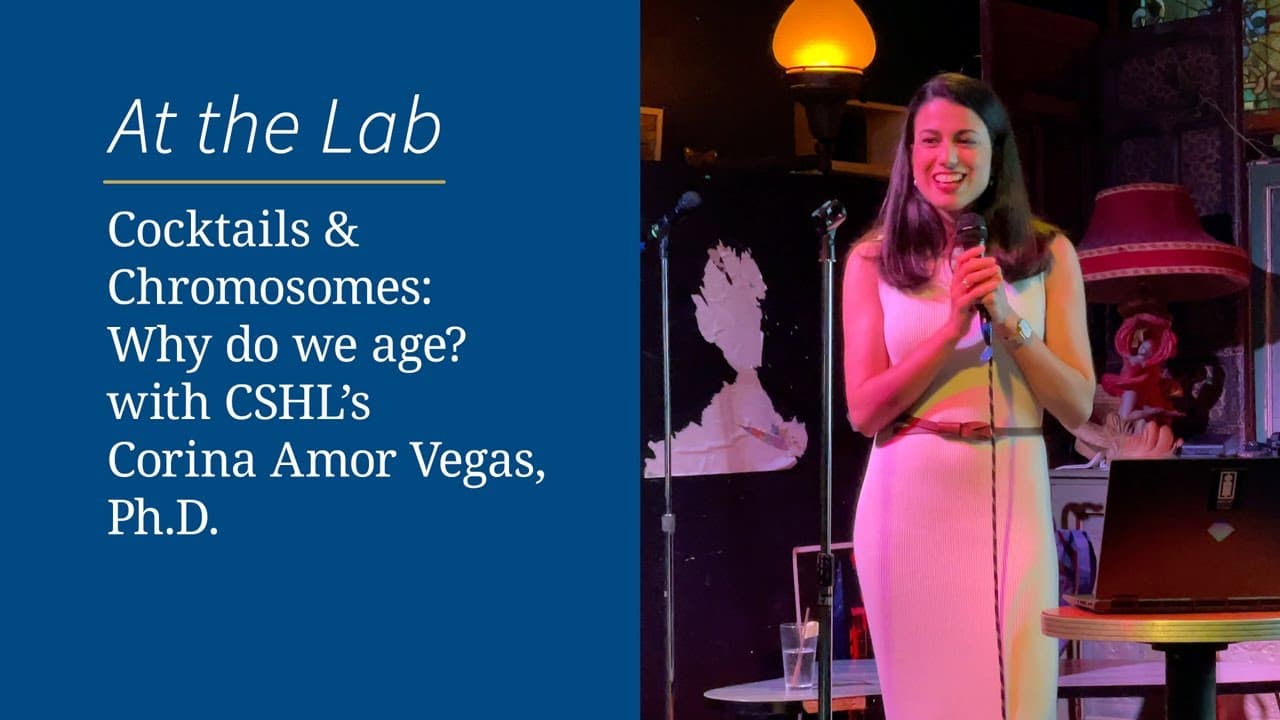
Aging is primarily driven by cellular senescence, where cells stop functioning and become inflammatory, impacting surrounding cells. Research shows that removing these senescent cells can improve healthspan and potentially extend lifespan. Using CAR T cell therapy, scientists aim to target and eliminate senescent cells, thereby enhancing cognitive function and reducing age-related diseases in mice, with hopes for future human applications.
Transcript
[music] [applause] Thanks so much everyone for showing up. And thank you Brianne for the nice introduction. So yeah, my name is Corina. I study aging. As you can probably tell by my accent, I'm actually originally not from the States, I'm originally from Madrid in Spain. And I’d really like to start my talks about aging with these paintings by the ... Read More
Key Insights
- Aging is an accumulation of small changes in the body that eventually lead to significant effects.
- Cellular senescence is a state where cells cease normal function and become inflammatory, contributing to aging.
- Senescent cells accumulate with age due to increased DNA damage and a declining immune system.
- Research shows that mice engineered to lack senescent cells age better and live longer.
- CAR T cell therapy can target and eliminate senescent cells, reducing inflammation and improving health.
- In experiments, aged mice treated with CAR T cells showed improved cognitive function and reduced inflammation.
- CAR T cells are living drugs that can persist and potentially enhance healthspan over time.
- The goal of aging research is to increase healthspan, the years lived in good health, and reduce age-related diseases.
Install to Summarize YouTube Videos and Get Transcripts
Explore YouTube Video Summarizer or Get YouTube Transcript Extractor
Questions & Answers
Q: What is cellular senescence and how does it relate to aging?
Cellular senescence is a state where cells stop dividing and functioning properly, becoming inflammatory and affecting neighboring cells. As these senescent cells accumulate with age, they contribute to aging and age-related diseases by impairing tissue function and promoting inflammation. Understanding and targeting senescence is crucial for aging research.
Q: How does CAR T cell therapy work in aging research?
CAR T cell therapy involves engineering T cells to recognize and eliminate senescent cells, which are key contributors to aging. These engineered T cells, once infused back into the body, can identify and destroy senescent cells, reducing inflammation and improving health outcomes. This therapy has shown promise in extending healthspan in mice.
Q: What is the difference between healthspan and lifespan?
Lifespan refers to the total number of years an individual lives, while healthspan is the number of years lived in good health. Aging research focuses on increasing healthspan, aiming to extend the period of life spent in good health and reduce the time spent in poor health due to age-related diseases.
Q: Why is aging research important?
Aging research is important because aging is the biggest risk factor for many diseases, including cancer, diabetes, and heart disease. Understanding the biological mechanisms of aging can lead to interventions that improve healthspan, reduce age-related diseases, and enhance quality of life as the global population ages.
Q: What are the potential benefits of eliminating senescent cells?
Eliminating senescent cells can reduce inflammation, improve tissue function, and enhance cognitive abilities. Research in mice shows that removing these cells leads to better health outcomes, potentially extending healthspan and delaying the onset of age-related diseases. This approach holds promise for improving human health as well.
Q: How does the immune system change with age?
As we age, the immune system becomes less effective at recognizing and eliminating senescent cells, leading to their accumulation. This decline in immune function contributes to increased inflammation and susceptibility to age-related diseases, highlighting the need for therapies that support immune health in aging populations.
Q: What role does DNA damage play in aging?
DNA damage accumulates over time, contributing to cellular senescence and the aging process. As cells experience severe DNA damage, they become senescent, ceasing normal functions and promoting inflammation. Understanding DNA damage and its effects is crucial for developing interventions that mitigate aging and age-related diseases.
Q: What are the challenges in translating mouse aging research to humans?
Translating mouse aging research to humans involves challenges such as differences in lifespan, biology, and complexity of human systems. While mice provide valuable insights, human trials require careful consideration of safety, efficacy, and potential long-term effects. Overcoming these challenges is essential for developing effective aging interventions for humans.
Summary & Key Takeaways
-
Aging is driven by cellular senescence, where cells stop functioning and become inflammatory. Research shows removing these cells can improve healthspan. Using CAR T cell therapy, scientists aim to target and eliminate senescent cells, enhancing cognitive function and reducing age-related diseases in mice.
-
CAR T cell therapy is a promising approach to address aging by removing senescent cells. This therapy improves cognitive function and reduces inflammation in aged mice, showing potential for extending healthspan. The therapy involves engineering T cells to target and kill senescent cells, offering a novel treatment for age-related conditions.
-
The distinction between healthspan and lifespan is crucial in aging research. While lifespan is the total years lived, healthspan focuses on years lived in good health. Aging research aims to square the curve, increasing healthspan and minimizing the period of poor health by understanding and targeting the biological processes of aging.
Read in Other Languages (beta)
Share This Summary 📚
Summarize YouTube Videos and Get Video Transcripts with 1-Click
Try YouTube Summary with ChatGPT & Claude or YouTube Transcript Generator
Explore More Summaries from Cold Spring Harbor Laboratory 📚
Summarize YouTube Videos and Get Video Transcripts with 1-Click
Try YouTube Summary with ChatGPT & Claude or YouTube Transcript Generator