What Should You Look for in a Great Savings Account?
TL;DR
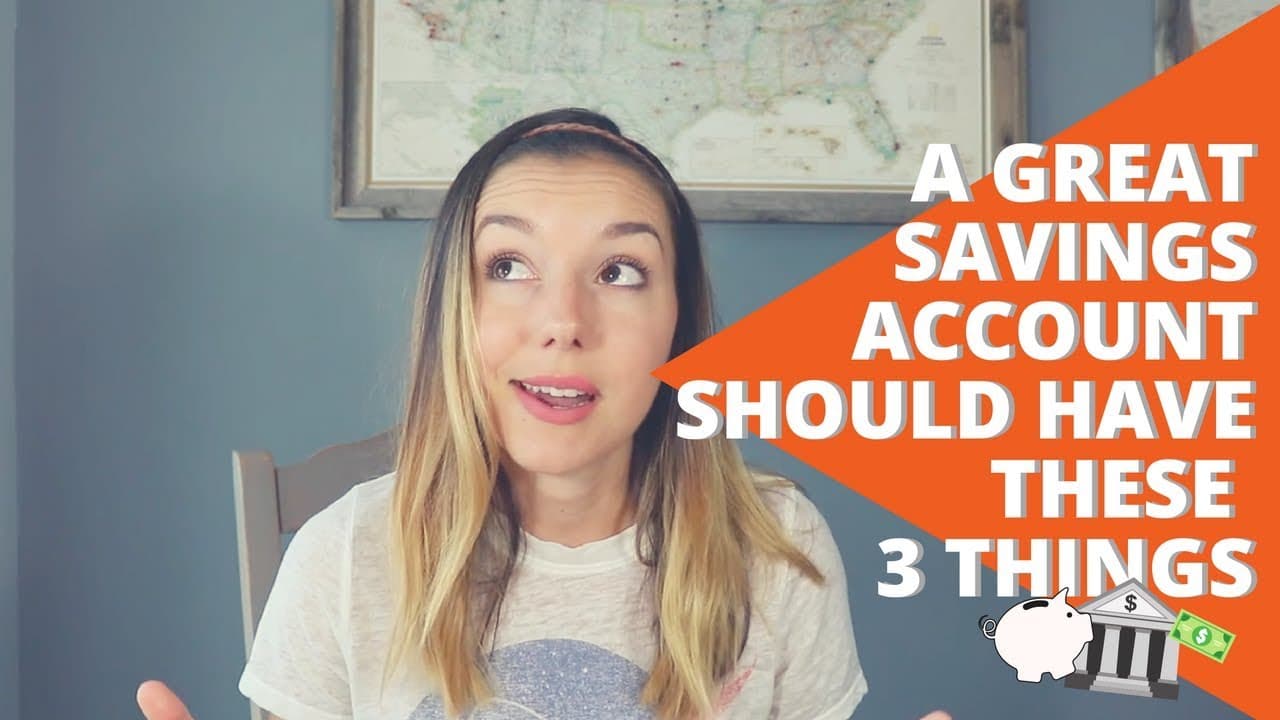
A great savings account should earn at least 1% APY, have no monthly maintenance fees, and provide responsive customer service. To ensure you're maximizing your savings, compare banks, check for hidden fees, and evaluate customer support by contacting them directly.
Transcript
I freaking love building up my savings account I love going into my banking app and pulling up just how much I've been able to save for a particular money goal and it got me thinking about my my current money market account and just how much I'm actually earning an interest so when I pulled up the dividends I was like oh my god I'm actually not thi... Read More
Key Insights
- 🛄 Aim for at least 1% interest to maximize your savings potential.
- 😅 Avoid monthly maintenance fees as they eat into your savings.
- 🐕🦺 Check customer service quality before choosing a savings account.
- 👨🔬 Research different banks and compare offerings.
- ☠️ Consider switching banks for better interest rates.
- 🤱 Pay attention to hidden fees and charges in savings accounts.
- 🐕🦺 Customer service response time and quality are crucial.
Install to Summarize YouTube Videos and Get Transcripts
Explore YouTube Video Summarizer or Get YouTube Transcript Extractor
Questions & Answers
Q: What three things should a great savings account have?
It should earn at least 1% APY, have no monthly maintenance fee, and offer stellar customer service. These indicators help determine whether your money is working hard and whether the bank will be accessible when problems arise.
Q: What interest rate should you look for in a savings account?
Look for a savings account earning at least 1% APY or higher. Justine began exploring alternatives after discovering that her money market account earned only 0.7% APY.
Q: Why does a higher savings account interest rate matter?
A higher interest rate allows your money to earn more. Justine recommends considering another savings account or bank if it can pay double or triple what the current institution offers.
Q: Why should a savings account have no monthly maintenance fee?
A monthly maintenance fee adds an unnecessary expense simply for keeping money in the account. The transcript says some banks charge from five dollars to twelve dollars per month, with a twelve-dollar fee totaling one hundred and forty-four dollars per year.
Q: How can you check a savings account for maintenance fees?
Read the fine print and review the account information online for associated fees. You can also call customer support and ask directly which maintenance fees apply to the account.
Q: How can you test a bank’s customer service before opening an account?
Call the customer service number and measure how long it takes to reach a live person. Also assess whether the representative is pleasant, helpful, and responsive when you explain that you are comparing savings accounts.
Q: How did the customer service tests for Ally Bank, CIT Bank, and Marcus by Goldman Sachs compare?
Justine reached live representatives at Ally Bank and CIT Bank in about two minutes and found both representatives pleasant. With Marcus by Goldman Sachs, she tried two to three numbers, heard four minutes of unrelated advertisements, and reached the right person after eight minutes.
Q: Why is quick access to a live bank representative important?
Fast access matters when an account has an unauthorized transaction, becomes frozen, or cannot make transfers. It is also valuable when a debit card is lost or another account problem requires immediate help.
Summary & Key Takeaways
-
Checking the interest rate is crucial; aim for at least 1% APY to maximize earnings.
-
Avoid monthly maintenance fees to prevent unnecessary expenses on your savings.
-
Customer service matters; test response time and quality when considering a new savings account.
Read in Other Languages (beta)
Share This Summary 📚
Summarize YouTube Videos and Get Video Transcripts with 1-Click
Try YouTube Summary with ChatGPT & Claude or YouTube Transcript Generator
Explore More Summaries from Debt Free Millennials 📚




Summarize YouTube Videos and Get Video Transcripts with 1-Click
Try YouTube Summary with ChatGPT & Claude or YouTube Transcript Generator