Why Is Germany Phasing Out Nuclear Power?
TL;DR
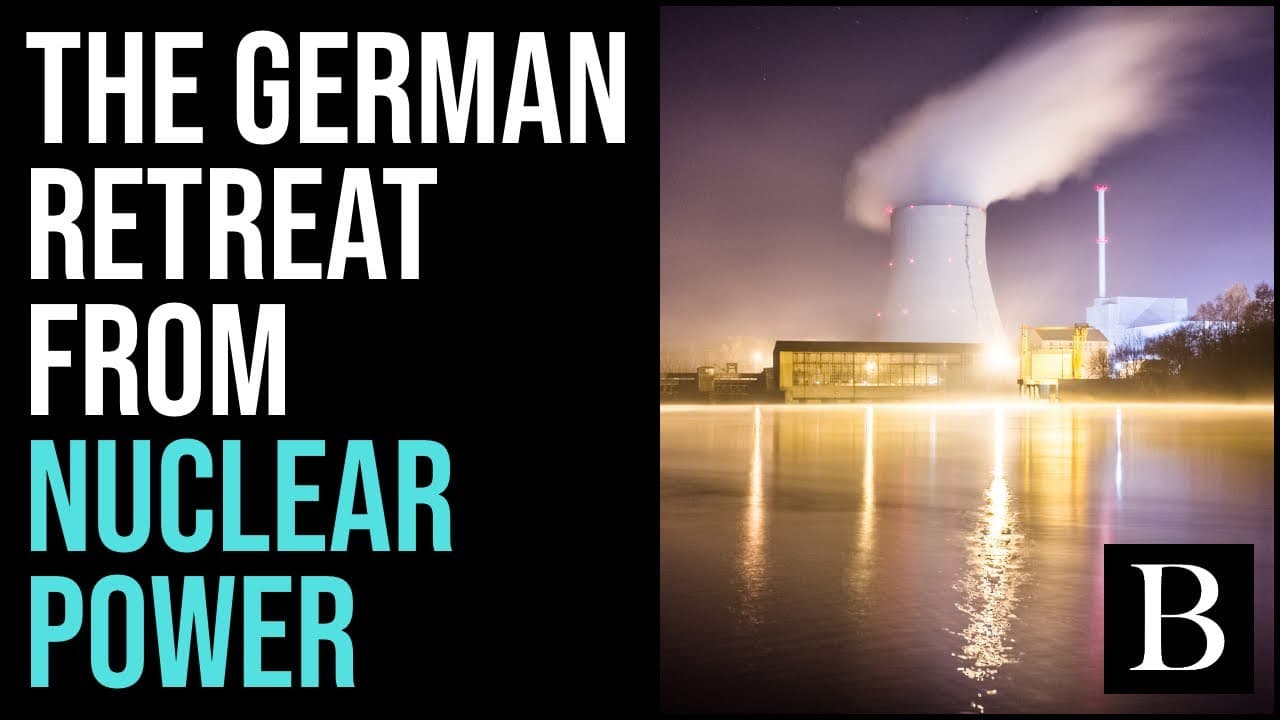
Germany is phasing out nuclear power due to safety concerns, environmentalist ideology, and a push for renewable energy. This transition has resulted in a reliance on Russian natural gas combined with rising energy prices, challenges for the manufacturing sector, and a significant shift of emissions to countries like China. Although carbon emissions have decreased, the strategy conflicts with Germany's historical focus on industrial growth.
Transcript
the German Retreat from nuclear power Bismark brief the 2nd of March 2022 Germany's economic priorities are torn between industrial growth and energy degrowth as its last nuclear plants are shut down the choice is between relying on fossil fuels or closing factories on New Year's Eve 2021 the German government powered down three of its remaining si... Read More
Key Insights
- ✊ Germany's phase out of nuclear power comes from a combination of safety concerns, environmentalist ideology, and the pursuit of renewable energy.
- 🫢 The energy transition in Germany prioritizes renewable sources like wind and solar, but it also relies on politically sensitive Russian natural gas imports.
- 🥺 The decline of nuclear energy in Germany has led to a reduction in carbon emissions, but much of the manufacturing emissions have been shifted to countries like China.
- 😮 Rising energy prices and the stagnation of the manufacturing sector are challenges of Germany's energy transition.
- 🥺 Germany's energy transition conflicts with its traditional economic strategy based on industrial growth and competitiveness, leading to degrowth and a decline in economic advantage.
- 🏤 Germany's dominance in European markets and its policy of degrowth hinder EU member states' prospects for growth and strategic autonomy.
Install to Summarize YouTube Videos and Get Transcripts
Explore YouTube Video Summarizer or Get YouTube Transcript Extractor
Questions & Answers
Q: Why is Germany shutting down its nuclear power plants?
Germany has been phasing out nuclear energy due to safety concerns and environmentalist ideology. The Fukushima disaster in 2011 accelerated this process.
Q: What are the challenges of Germany's energy transition?
Germany's energy transition relies heavily on renewable energy sources like wind and solar, which are intermittent and require backup from natural gas. This increases reliance on Russian gas imports and raises energy prices.
Q: How does Germany's energy consumption compare to other countries?
Germany is a heavily industrialized country with high energy consumption, especially in manufacturing. This makes it challenging to rely solely on renewable energy sources for electricity generation.
Q: What is the impact of Germany's nuclear phase out on its emissions?
Germany has seen a reduction in carbon emissions due to the phase out of nuclear power, but much of the reduction is virtual as carbon-intensive manufacturing has shifted to countries like China.
Q: What is the role of natural gas in Germany's energy transition?
Natural gas plays a crucial role in Germany's energy transition as it provides baseline demand and stabilizes the intermittent nature of renewable electricity. However, it also increases dependence on Russian gas imports.
Q: How has Germany's energy transition affected its manufacturing sector?
Rising energy prices have negatively impacted Germany's manufacturing sector, with companies considering moving their operations abroad. The stagnation of the manufacturing sector has also led to a trade deficit with China.
Q: What is the relationship between Germany's energy transition and its economic strategy?
Germany's energy transition conflicts with its economic strategy based on ordoliberalism and industrial growth. The transition to renewables and the phase out of nuclear power have led to degrowth and a decline in competitiveness.
Q: How does Germany's energy transition impact the European Union and its member states?
Germany's energy transition has resulted in the preservation of its dominance in European markets, while other member states face challenges in achieving growth and industrialization. This has led to tensions within the EU and hindered its strategic autonomy.
Summary & Key Takeaways
-
Germany is shutting down its nuclear power plants, with three already closed and the remaining three scheduled to shut down by the end of 2022.
-
Nuclear energy in Germany has declined from 29% of overall electricity production in 1989 to 11% in 2021, while wind, solar, and bioenergy grew from 4% to 44%.
-
The energy transition in Germany prioritizes renewable energy and Russian natural gas, but it comes with higher energy prices and increased dependence on politically sensitive Russian imports.
Read in Other Languages (beta)
Share This Summary 📚
Summarize YouTube Videos and Get Video Transcripts with 1-Click
Try YouTube Summary with ChatGPT & Claude or YouTube Transcript Generator
Explore More Summaries from Samo Burja 📚



Summarize YouTube Videos and Get Video Transcripts with 1-Click
Try YouTube Summary with ChatGPT & Claude or YouTube Transcript Generator