How Does Supreme Court Ruling Affect Presidential Immunity?
TL;DR
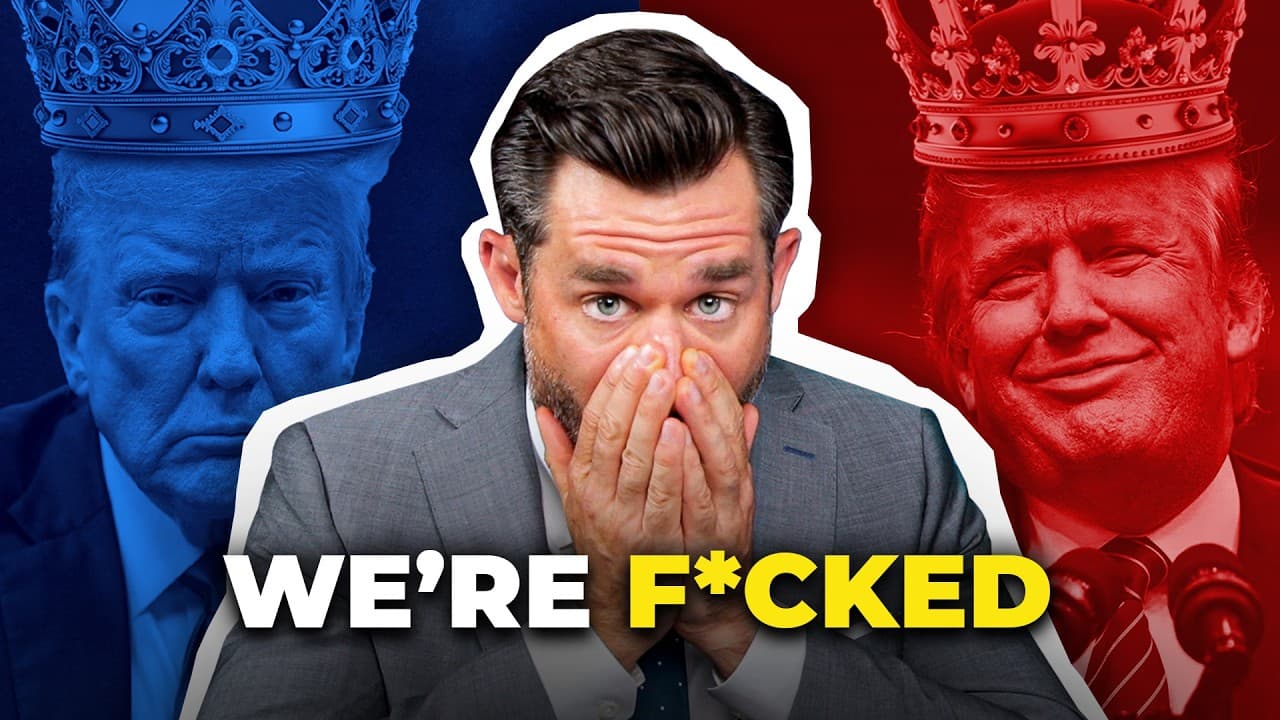
The Supreme Court's decision grants almost absolute immunity to presidents for official acts, creating a 'law-free zone' around them. This decision is seen as a significant shift in the balance of power, potentially allowing presidents to act without fear of criminal prosecution, raising concerns about the implications for democracy.
Transcript
- However bad you think it is, it's worse. Remember when Trump's lawyers argued that he could SEAL Team six his political rivals and we all laughed because that's a preposterous thing for anyone to argue and absolutely no serious person could possibly believe that the Constitution or the laws of this country would allow that to be the rule? Well, t... Read More
Key Insights
- The Supreme Court ruling grants near absolute immunity to presidents for official acts.
- Presidents cannot be criminally prosecuted for core constitutional powers.
- Official acts receive presumptive immunity, complicating prosecution efforts.
- The decision is criticized for creating a 'law-free zone' around the president.
- Justice Sotomayor and Jackson strongly dissent, warning of unchecked presidential power.
- The ruling blurs the line between official and unofficial acts.
- Motives cannot be used to determine if an act is official, limiting prosecution evidence.
- The decision is seen as a departure from constitutional text and historical precedent.
Install to Summarize YouTube Videos and Get Transcripts
Explore YouTube Video Summarizer or Get YouTube Transcript Extractor
Questions & Answers
Q: How does the Supreme Court ruling affect presidential immunity?
The Supreme Court ruling grants presidents near absolute immunity for official acts, significantly expanding their protection from criminal prosecution. This decision is seen as a major shift in the balance of power, allowing presidents to act with fewer legal constraints, potentially undermining democratic principles by placing them above the law.
Q: What are the criticisms of the Supreme Court's decision on presidential immunity?
Critics argue that the decision creates a 'law-free zone' around the president, allowing them to act without fear of prosecution for official acts. The ruling is seen as lacking constitutional and historical support, and dissenting justices warn it disrupts the checks and balances system, potentially enabling abuses of power for personal or political gain.
Q: How does the ruling distinguish between official and unofficial acts?
The ruling blurs the line between official and unofficial acts by granting presumptive immunity to official acts and providing little guidance on what constitutes unofficial acts. This broad interpretation means most presidential actions are protected, complicating prosecution efforts and limiting evidence that can be used against a president.
Q: What implications does the ruling have for future presidents?
The ruling effectively grants future presidents significant legal protection, allowing them to act with fewer constraints and potentially prioritize personal or political interests over national interests. This shift in power dynamics may lead to increased concerns about the potential for unchecked presidential authority and its impact on democratic governance.
Q: How does the decision impact the balance of power in government?
The decision disrupts the balance of power by removing significant legal constraints on presidential actions, effectively placing the president above the law. This undermines the system of checks and balances, as it limits the ability of other branches of government to hold the president accountable for criminal acts related to their official duties.
Q: What do dissenting justices say about the ruling?
Dissenting justices, including Justice Sotomayor and Justice Jackson, strongly criticize the ruling for creating a 'law-free zone' around the president. They warn that the decision allows for potential abuses of power without legal consequences and argue that it lacks constitutional and historical support, posing a threat to democratic principles.
Q: How does the ruling affect the prosecution of presidents for criminal acts?
The ruling complicates the prosecution of presidents for criminal acts by granting near absolute immunity for official acts and limiting the evidence that can be used in prosecutions. This broad protection makes it challenging to hold presidents accountable for actions that may violate criminal laws, as motives cannot be considered in determining the nature of acts.
Q: What historical precedents are relevant to the Supreme Court's decision?
The decision departs from historical precedents that did not grant presidents broad immunity from criminal law. Critics point to the lack of constitutional text supporting such immunity and highlight that the Constitution's impeachment judgment clause implies accountability through criminal prosecution, contrasting with the Court's expansive interpretation of presidential immunity.
Summary & Key Takeaways
-
The Supreme Court's recent decision significantly expands presidential immunity, granting near absolute protection for official acts. This ruling has sparked concerns about the potential for unchecked presidential power, as it limits the ability to prosecute presidents for criminal acts related to their official duties. Critics argue this undermines democratic principles by effectively placing the president above the law.
-
The decision distinguishes between core and non-core presidential powers, with core powers receiving absolute immunity from prosecution. However, the court provides little guidance on what constitutes unofficial acts, leaving most presidential actions protected. This broad interpretation of immunity is criticized for lacking constitutional and historical support, raising fears of misuse of power.
-
Dissenting justices highlight the dangers of this ruling, warning that it creates a 'law-free zone' around the president, enabling potential abuses of power without legal consequences. They argue that the decision disrupts the balance of checks and balances, as it removes significant legal constraints on presidential actions, potentially allowing for actions that prioritize personal or political gain over national interest.
Read in Other Languages (beta)
Share This Summary 📚
Summarize YouTube Videos and Get Video Transcripts with 1-Click
Try YouTube Summary with ChatGPT & Claude or YouTube Transcript Generator
Explore More Summaries from LegalEagle 📚
Summarize YouTube Videos and Get Video Transcripts with 1-Click
Try YouTube Summary with ChatGPT & Claude or YouTube Transcript Generator