The Hidden Engineering Behind Texas's Top Tourist Attraction
TL;DR
Replacing floodgates at San Antonio River Walk without draining it.
Transcript
I am on location in downtown San Antonio, Texas, where crews have just finished setting up this massive 650-ton crane. The counterweights are on. The outriggers are down. And the jib, an extension for the crane's telescoping boom, is being rigged up. This is the famous San Antonio River Walk, a city park below street level that winds around the... Read More
Key Insights
- The San Antonio River Walk is a major tourist attraction, integrating shops, restaurants, and historical sites like the Alamo, and is engineered to maintain a constant water level year-round.
- A catastrophic flood in 1921 led San Antonio to implement extensive flood control measures, including the Olmos Dam and a flood diversion tunnel beneath the city.
- The River Walk's design includes floodgates installed in 1983, which regulate water levels to prevent flooding and maintain the park's aesthetics.
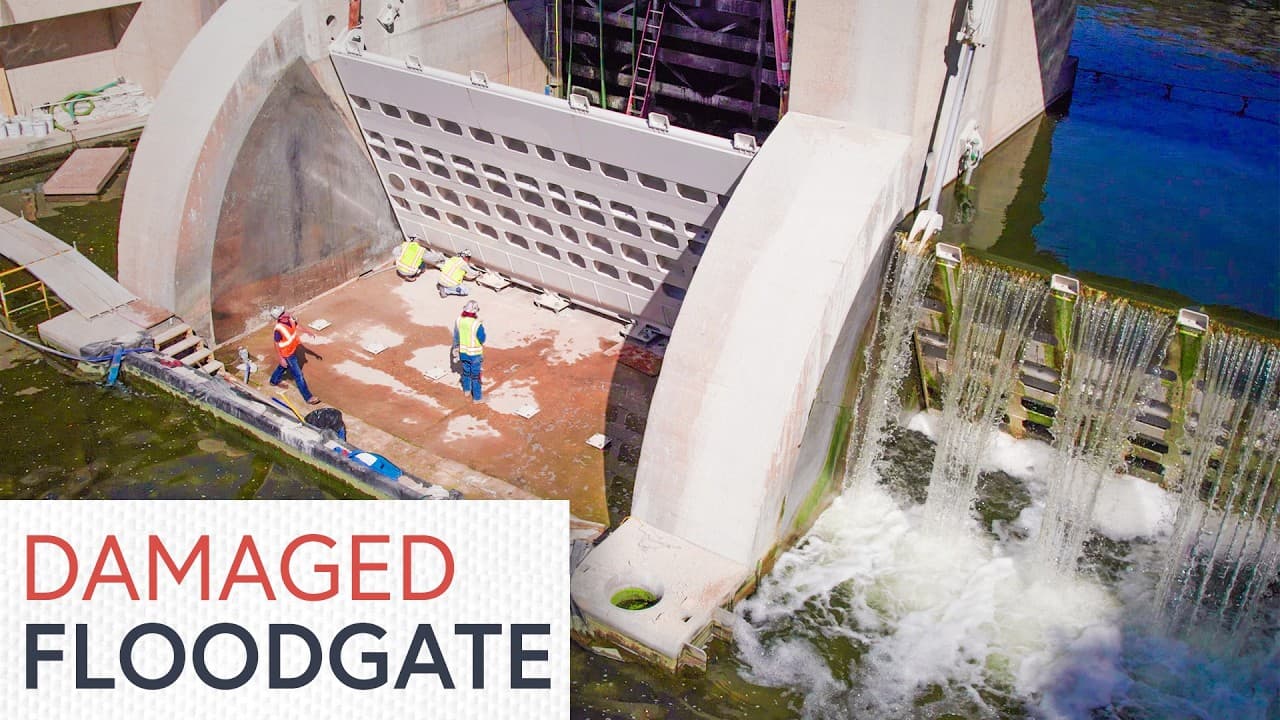
- A malfunction in one of the floodgates prompted the city to replace them, a complex task requiring the use of a 650-ton crane and meticulous planning to avoid draining the river.
- The replacement project involved removing the old gate using heavy machinery and installing a new, hydraulically operated gate to improve efficiency and reliability.
- The project also repurposed an old screw pump room to create a bypass for the gates, enhancing water circulation to prevent sediment buildup and algae growth.
- The new hydraulic system for the gates is controlled from a tower overlooking the dam, allowing operators to manage the city's flood infrastructure effectively.
- The entire project was executed with minimal disruption to the River Walk, highlighting the importance of careful planning in urban infrastructure projects.
Install to Summarize YouTube Videos and Get Transcripts
Explore YouTube Video Summarizer or Get YouTube Transcript Extractor
Questions & Answers
Q: What prompted the replacement of the floodgates at the San Antonio River Walk?
The replacement was prompted by a malfunction in one of the floodgates, where a worn-out nut caused the gate to drop, damaging components and rendering it inoperable. This reduced the dam's capacity to manage floods, necessitating the installation of new gates to restore functionality and reliability.
Q: How do the floodgates at the San Antonio River Walk function?
The floodgates regulate the river's water level by maintaining a constant elevation during normal conditions and opening to release floodwaters during storms. This dual functionality helps prevent downtown flooding and ensures the River Walk remains a scenic and safe attraction throughout the year.
Q: What challenges were faced during the floodgate replacement project?
The project faced challenges such as avoiding the drainage of the river, working within a busy urban area, and adhering to strict safety and timing regulations. The use of a massive crane and careful planning were essential to execute the project without disrupting the River Walk's operations.
Q: What role did the screw pump room play in the project?
The screw pump room was repurposed to create a bypass for the gates, enhancing water circulation and preventing sediment buildup and algae growth. This modification was crucial for maintaining the ecological balance and aesthetic appeal of the River Walk while improving flood management capabilities.
Q: How does the new hydraulic system improve the floodgates' operation?
The new hydraulic system offers more efficient and reliable operation compared to the old electric motors. It allows precise control over the gate movements, enhancing the ability to manage water levels and respond to flood events, thereby improving the overall flood management infrastructure.
Q: What was the significance of the crane used in the project?
The 650-ton crane was pivotal in safely removing the old floodgate and installing the new one. Its capacity and reach allowed the project to proceed without draining the river, demonstrating the importance of heavy machinery in executing complex urban infrastructure projects efficiently.
Q: How was safety ensured during the project?
Safety was prioritized through detailed lift plans, pre-work safety briefings, and the presence of safety spotters. These measures ensured that all operations, especially those involving heavy lifts, were conducted without incident, protecting both workers and the public in the busy downtown area.
Q: What impact did the project have on the San Antonio River Walk?
The project revitalized a critical part of the city's flood control infrastructure without causing disruptions to the River Walk. This careful execution preserved the attraction's appeal and functionality, ensuring it continues to serve as a major tourist destination and a flood management asset.
Summary & Key Takeaways
-
The San Antonio River Walk, a key tourist attraction, integrates engineering marvels to maintain constant water levels and prevent flooding. The city replaced aging floodgates as part of its infrastructure maintenance.
-
The replacement of the floodgates required precise engineering and planning to avoid draining the river, using a massive crane to remove and install the gates while ensuring minimal disruption to the River Walk.
-
The project included repurposing an old pump room to enhance water circulation, preventing sediment buildup and algae growth, and updating the hydraulic system for improved flood management.
Read in Other Languages (beta)
Share This Summary 📚
Summarize YouTube Videos and Get Video Transcripts with 1-Click
Try YouTube Summary with ChatGPT & Claude or YouTube Transcript Generator
Explore More Summaries from Practical Engineering 📚






Summarize YouTube Videos and Get Video Transcripts with 1-Click
Try YouTube Summary with ChatGPT & Claude or YouTube Transcript Generator