How Does the Charles 2.0 Model Improve Python GTA V Gameplay?
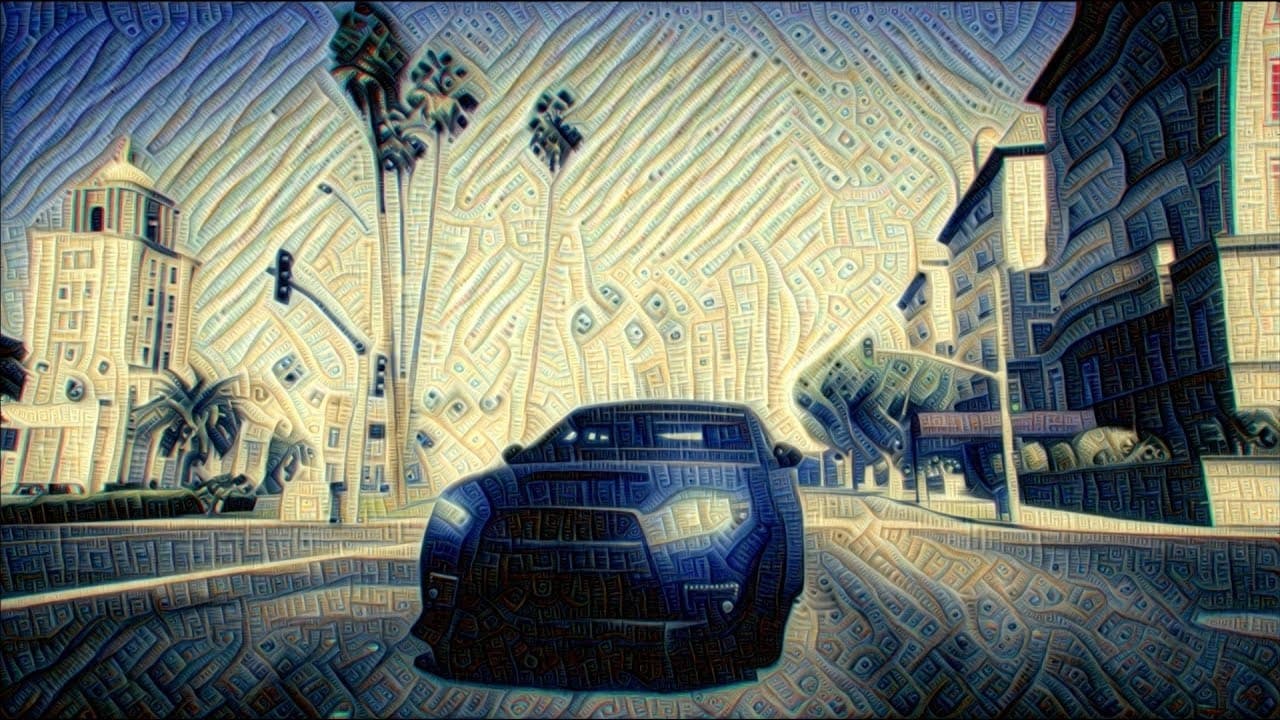
TL;DR
The Charles 2.0 model enhances Python's GTA V gameplay by training for 24 hours on the Xception model, focusing on improved image processing by normalizing data through division by 255. Key upgrades include better braking and movement dynamics, and the next steps involve reintroducing the object detection API for expanded in-game interactions.
Transcript
what's going on everybody and welcome to a video on the Python plays GTA series just want to go through some of the code aspects of the Charles 2.0 as well as address some of the frequently posted comments so first I want to do is I'm just gonna drag up the tensor board this is the training cycle I actually ended up having to train this model twice... Read More
Key Insights
- 🚂 The Charles 2.0 model was trained for 24 hours in one epoch, using the Xception model.
- 😑 Image arrays need to be divided by 255 for pre-processing.
- 😫 The GitHub repository contains code for setting up the Xception model and the weighting distribution by class.
- 🏋️ Adjusting the weights in the model improved braking and forward movement capabilities.
- 📽️ The next focus of the project is to reintroduce the object detection API for better functionality.
- 🎮 Joystick control was considered but may cause issues with turning accuracy.
Install to Summarize YouTube Videos and Get Transcripts
Explore YouTube Video Summarizer or Get YouTube Transcript Extractor
Questions & Answers
Q: Why did the training model for the Charles 2.0 have to be trained twice?
The first training cycle was unsuccessful because the model was not saved. The second training cycle took 24 hours and was trained for only one epoch.
Q: How does the Xception model compare to the MobileNet model in terms of performance?
The Xception model performed slightly better than the MobileNet model in all tracked metrics during the training process.
Q: What are the changes made to the code, specifically in image pre-processing?
The image arrays need to be divided by 255 to normalize them, which is a simple change made in the code.
Q: What is the purpose of the weighting class distributor in the code?
The weighting class distributor adjusts the weights to effectively distribute the classes evenly during training, resulting in a better model.
Summary & Key Takeaways
-
The video showcases the training cycle of the Charles 2.0 model using tensorboard and highlights the need to train the model for multiple epochs.
-
The image pre-processing involves dividing the image arrays by 255 to normalize them.
-
The video provides an overview of the code in the GitHub repository, including the setup for the Xception model and the weighting distribution by class.
Read in Other Languages (beta)
Share This Summary 📚
Summarize YouTube Videos and Get Video Transcripts with 1-Click
Try YouTube Summary with ChatGPT & Claude or YouTube Transcript Generator
Explore More Summaries from sentdex 📚


Summarize YouTube Videos and Get Video Transcripts with 1-Click
Try YouTube Summary with ChatGPT & Claude or YouTube Transcript Generator