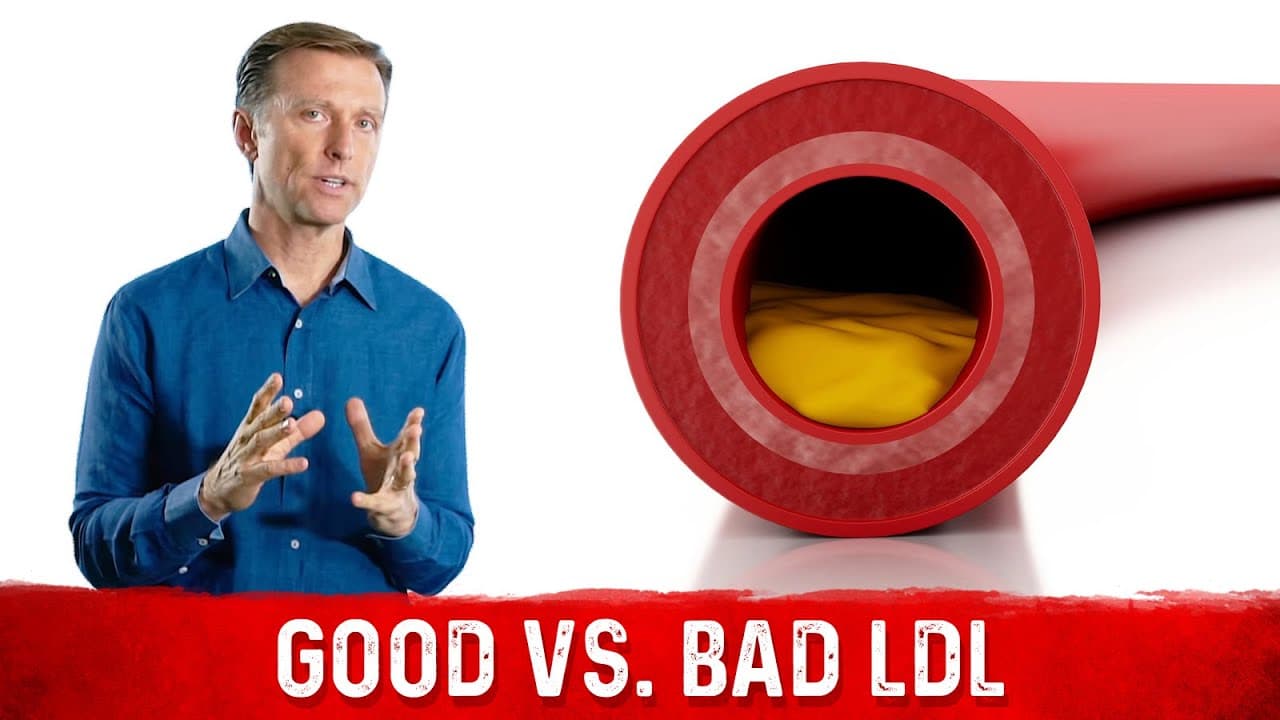
You Have Good and Bad LDL (low-density lipoprotein)
TL;DR
LDL is often considered the bad cholesterol, but there are two types: small dense LDL (Type B) is the real bad one that can lead to heart problems, while large buoyant LDL (Type A) is benign and found in ketogenic diets.
Transcript
today we're going to talk about the difference between good and bad LDL now normally someone is taught that LDL is the bad cholesterol but that's not actually true LDL is divided between two different parts and just so you know LDL stands for a low-density lipoprotein it's not cholesterol it's a type of protein that is carrying cholesterol through ... Read More
Key Insights
- 🦡 LDL is not actually "bad cholesterol" but a carrier protein for cholesterol.
- 🆎 Small dense LDL (Type B) is the harmful type that can lead to heart problems, while large buoyant LDL (Type A) is benign.
- 🅰️ A specialized test can help determine the types of LDL present in an individual.
- 🆎 Diets high in carbohydrates, especially fructose, can increase small dense LDL (Type B).
- ⬛ Ketogenic diets and intermittent fasting result in the larger buoyant LDL (Type A).
- 💨 Triglyceride levels tend to be low in keto and intermittent fasting diets.
- ⏬ Higher HDL levels are often observed in individuals following keto and intermittent fasting diets.
Install to Summarize YouTube Videos and Get Transcripts
Explore YouTube Video Summarizer or Get YouTube Transcript Extractor
Questions & Answers
Q: What is the difference between good and bad LDL cholesterol?
The difference lies in the types of LDL. Small dense LDL (Type B) is harmful and can lead to heart problems, while large buoyant LDL (Type A) is benign and found in ketogenic diets.
Q: How can I determine my LDL type?
A specialized test is required to differentiate between the two types of LDL. It is recommended to discuss this test with your doctor and request it for a more accurate assessment.
Q: What dietary factors can influence the type of LDL cholesterol?
A high-carb diet, especially with high amounts of fructose, can increase the presence of small dense LDL (Type B). On the other hand, ketogenic diets and intermittent fasting result in the larger buoyant LDL (Type A).
Q: Are there any other indicators of healthy cholesterol levels?
Triglyceride levels and HDL (high-density lipoprotein) also provide important information. In a keto and intermittent fasting diet, triglycerides tend to be low, while HDL is often higher.
Key Insights:
- LDL is not actually "bad cholesterol" but a carrier protein for cholesterol.
- Small dense LDL (Type B) is the harmful type that can lead to heart problems, while large buoyant LDL (Type A) is benign.
- A specialized test can help determine the types of LDL present in an individual.
- Diets high in carbohydrates, especially fructose, can increase small dense LDL (Type B).
- Ketogenic diets and intermittent fasting result in the larger buoyant LDL (Type A).
- Triglyceride levels tend to be low in keto and intermittent fasting diets.
- Higher HDL levels are often observed in individuals following keto and intermittent fasting diets.
- Regular testing of LDL and other cholesterol markers is recommended for better health assessment.
Summary & Key Takeaways
-
LDL, or low-density lipoprotein, is a protein that carries cholesterol from the liver to the body's tissues.
-
Small dense LDL (Type B) is the harmful type that can penetrate arteries and increase the risk of heart attack.
-
Large buoyant LDL (Type A) is found in ketogenic diets and is harmless.
Read in Other Languages (beta)
Share This Summary 📚
Summarize YouTube Videos and Get Video Transcripts with 1-Click
Try YouTube Summary with ChatGPT & Claude or YouTube Transcript Generator
Explore More Summaries from Dr. Eric Berg DC 📚


Summarize YouTube Videos and Get Video Transcripts with 1-Click
Try YouTube Summary with ChatGPT & Claude or YouTube Transcript Generator