Why Do Native Americans Value Land Deeply?
TL;DR
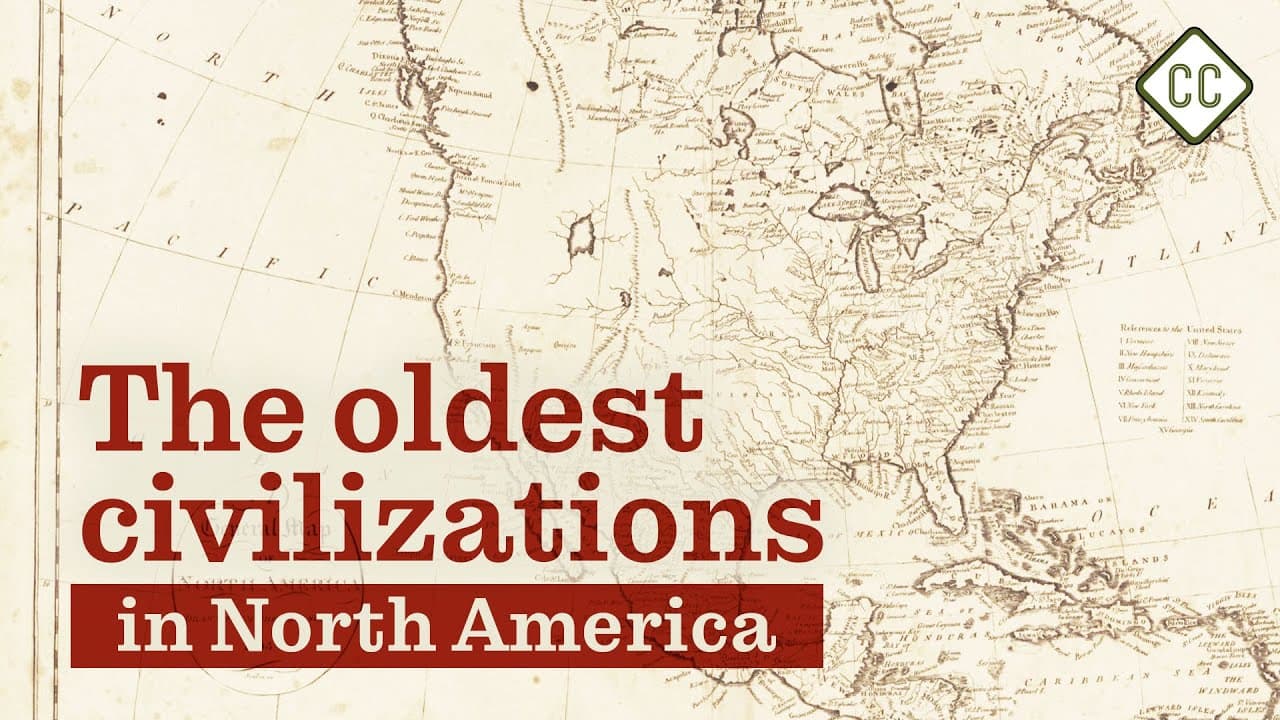
Native Americans have a profound connection to their ancestral lands, which is integral to their identity, culture, and traditions. This connection is not just physical but spiritual, as the land is seen as a living entity that sustains life. Despite historical displacements, many Native communities are reclaiming stewardship of their lands, restoring ecosystems, and preserving cultural heritage.
Transcript
Think of a place that’s important to you. Maybe it’s a lake where you played as a kid. Or a field that glitters at dusk. Or a neighborhood where you know every street by heart. Now, imagine that connection you feel goes even deeper. Imagine it’s embedded in your language. Your relatives’ stories. Your traditions. And it’s a connection stretching ... Read More
Key Insights
- Native Americans' connection to land is deeply rooted in their history, culture, and identity, transcending mere physical presence.
- Many Native nations have lived on the same land for thousands of years, while others maintain spiritual ties to their ancestral homelands.
- The land is viewed as a living, breathing whole, encompassing elements like water, sky, plants, and animals, which are all interconnected.
- Native traditions, such as the Coast Salish First Salmon Ceremony, emphasize reciprocal relationships with the land and its resources.
- Native languages often reflect and reinforce the connection to land, with words and phrases conveying cultural and environmental significance.
- Colonialism disrupted Native peoples' relationships with their land, leading to forced removals and loss of ancestral territories.
- Efforts are being made to restore Native stewardship of lands, which involves ecological restoration and cultural preservation.
- Returning land to Native control is seen as a step towards acknowledging Native sovereignty and ensuring the future of Native communities.
Install to Summarize YouTube Videos and Get Transcripts
Explore YouTube Video Summarizer or Get YouTube Transcript Extractor
Questions & Answers
Q: How do Native Americans view their connection to land?
Native Americans view their connection to land as a deep, spiritual bond that transcends physical presence. This connection is integral to their identity, culture, and traditions. The land is seen as a living entity that sustains life, with elements like water, sky, plants, and animals all interconnected. This worldview emphasizes reciprocal relationships, where the land takes care of people, and in return, people care for the land.
Q: What are some examples of Native traditions related to land?
One example is the Coast Salish First Salmon Ceremony, where salmon are seen as part of a sacred agreement, offering themselves as food for people. In return, people care for the salmon by cleaning rivers and returning salmon bones to the water. Another example is the basket weaving traditions in California, where designs tell stories of the homeland, literally weaving ties to the land into creations.
Q: How has colonialism affected Native Americans' relationship with land?
Colonialism disrupted Native Americans' relationships with their land through forced removals and loss of ancestral territories. European settlers brought diseases, invasive species, and a hunger for land, leading to the displacement of Native communities. Many tribes were forced onto reservations, and lands were divided into allotments, further shrinking tribal territories and separating Native people from their ancestral lands.
Q: What efforts are being made to restore Native stewardship of land?
Efforts to restore Native stewardship of land include transferring lands back to tribal ownership and engaging in ecological restoration. For example, the Onondaga Nation has regained stewardship of 1,000 acres in New York, including the headwaters of a creek flowing into a sacred lake. The Iowa Tribe has also turned reclaimed land into a tribal national park, preserving the land and stories for future generations.
Q: Why is land considered sacred in Native American cultures?
In Native American cultures, land is considered sacred because it is integral to their identity, culture, and traditions. The land is seen as a living, breathing entity that sustains life, with interconnected elements like water, sky, plants, and animals. This sacred relationship emphasizes reciprocal care, where the land provides sustenance, and in return, people are responsible for caring for it.
Q: How do Native languages reflect the connection to land?
Native languages often reflect the connection to land through words and phrases that convey cultural and environmental significance. For example, the Lushootseed language has words that mimic the sounds of nature, like 'stuləkʷ' for river, and 'x̌ʷəlč' for saltwater. These linguistic elements highlight the deep ties between language, culture, and the environment, reinforcing the connection to land.
Q: What role did Native Americans play in managing the landscape?
Native Americans played a significant role in managing the landscape through practices like controlled burns to boost plant growth and prevent wildfires. They developed specialized ways of living with the land, such as moisture-trapping farming techniques in arid regions and seasonal movements to maximize resource use. These practices demonstrate a deep understanding of the environment and sustainable land management.
Q: How is land reclamation linked to Native sovereignty?
Land reclamation is linked to Native sovereignty as it acknowledges Native peoples' rights to their ancestral lands and supports tribal self-determination. Restoring land to Native stewardship allows for ecological restoration, cultural preservation, and the continuation of traditional practices. It serves as a step towards recognizing Native sovereignty and ensuring the future of Native communities, reinforcing their identity and cultural heritage.
Summary & Key Takeaways
-
Native Americans maintain a deep connection to their ancestral lands, which are integral to their identity, culture, and traditions. This connection extends beyond physical presence, encompassing spiritual and ecological relationships. Despite historical displacements, many Native communities are reclaiming stewardship of their lands, engaging in ecological restoration, and preserving cultural heritage for future generations.
-
The land is seen as a living entity that sustains life, with elements like water, sky, plants, and animals all interconnected. Native traditions, such as the Coast Salish First Salmon Ceremony, emphasize reciprocal relationships with the land and its resources, highlighting the importance of caring for the environment.
-
Colonialism disrupted Native peoples' relationships with their land, leading to forced removals and loss of ancestral territories. However, efforts are being made to restore Native stewardship of lands, which is viewed as a step towards acknowledging Native sovereignty and ensuring the future of Native communities.
Read in Other Languages (beta)
Share This Summary 📚
Summarize YouTube Videos and Get Video Transcripts with 1-Click
Try YouTube Summary with ChatGPT & Claude or YouTube Transcript Generator
Explore More Summaries from CrashCourse 📚



Summarize YouTube Videos and Get Video Transcripts with 1-Click
Try YouTube Summary with ChatGPT & Claude or YouTube Transcript Generator