How is "Transitory" Inflation Going? | Economics Explained
TL;DR
Inflation is no longer considered transitory by the Federal Reserve.
Transcript
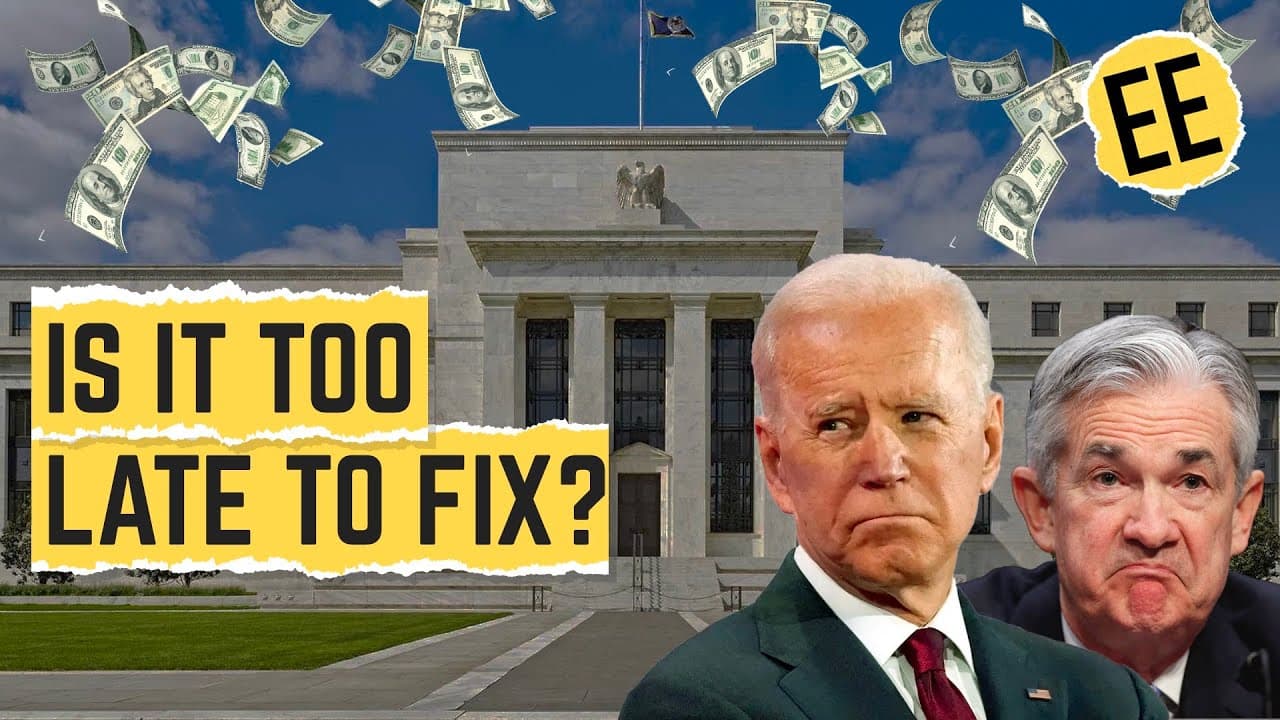
last month jerome powell announced that the federal reserve bank would be moving away from the term transitory inflation this marked a significant reversal in rhetoric from the newly reappointed fed chairman who had been defending the bank's position on quantitative easing for over 18 months at that point this announcement roughly coincided wit... Read More
Key Insights
- Jerome Powell announced the Federal Reserve would stop using the term 'transitory inflation,' reflecting a shift in policy rhetoric.
- The highest inflation levels in over 30 years coincide with plans to end the Fed's bond-buying program faster than expected.
- Monetary policies have contributed to demand-pull inflation, but supply chain issues are the main cause of recent price increases.
- Cost-push inflation results from global supply chain disruptions, making goods scarcer and more expensive.
- Asset markets, such as the stock market and housing, have seen significant price inflation due to increased capital and low interest rates.
- The U.S. employment rate remains low despite a recovering unemployment rate, indicating many have left the workforce.
- The Federal Reserve faces challenges in balancing inflation control with maintaining employment and economic recovery.
- If inflation remains high for more than two years, it could jeopardize the U.S. dollar's status as the world reserve currency.
Install to Summarize YouTube Videos and Get Transcripts
Explore YouTube Video Summarizer or Get YouTube Transcript Extractor
Questions & Answers
Q: What led to the Federal Reserve's change in terminology regarding inflation?
The Federal Reserve, led by Jerome Powell, decided to move away from the term 'transitory inflation' due to the persistently high inflation levels observed, which were the highest in over 30 years. This change in terminology reflects a shift in the Fed's understanding and approach to managing inflation, acknowledging that it may not be as temporary as initially thought.
Q: What factors are contributing to the current inflation situation?
Current inflation is primarily driven by two factors: supply chain disruptions and monetary policies. Supply chain issues have led to cost-push inflation, where goods become scarcer and more expensive. Additionally, the Federal Reserve's monetary policies, including quantitative easing and low-interest rates, have resulted in demand-pull inflation by increasing disposable income and financial firepower among consumers.
Q: How have asset markets been affected by inflation?
Asset markets, such as the stock market and housing, have experienced significant price inflation. The stock market has reached all-time highs, fueled by low-interest rates and an abundance of capital. Similarly, housing prices have soared, driven by cheap interest rates and investors seeking to park their money. These trends have widened the wealth gap between asset owners and those who do not own such assets.
Q: Why is the employment rate a concern despite a recovering unemployment rate?
The employment rate remains a concern because, despite a recovering unemployment rate, many individuals have exited the workforce, leading to a low employment rate. This includes early retirees and those choosing not to work. The decline in labor force participation can impact economic productivity and contribute to inflationary pressures, as businesses struggle to find workers and may offer higher wages to attract labor.
Q: What challenges does the Federal Reserve face in managing inflation?
The Federal Reserve faces the challenge of balancing inflation control with economic recovery and employment. Raising interest rates could help curb inflation but may also depress asset markets and force retirees back into the workforce. The Fed must navigate these complexities while ensuring that their actions do not hinder recovery from the pandemic or exacerbate economic inequalities.
Q: What are the potential long-term implications of current inflation trends?
If inflation remains high for more than two years, it could jeopardize the U.S. dollar's status as the world reserve currency. Persistent inflation may undermine confidence in the dollar, leading to shifts in global economic dynamics. Additionally, prolonged inflation could widen wealth gaps and strain economic recovery efforts, particularly if it impacts the affordability of essential goods and services.
Q: How does the Federal Reserve's dual mandate influence its approach to inflation?
The Federal Reserve's dual mandate requires it to maintain stable prices and low unemployment. This balancing act is delicate, as actions to control inflation, such as raising interest rates, can impact employment and economic growth. The Fed must consider both mandates when formulating policies, ensuring that measures to curb inflation do not inadvertently harm the labor market or economic recovery.
Q: What role does the consumer price index (CPI) play in understanding inflation?
The consumer price index (CPI) is a key measure used to monitor inflation, tracking changes in the price level of a basket of goods and services. It reflects the consumption habits of urban individuals and helps gauge the impact of inflation on everyday expenses. However, the CPI does not account for asset prices like housing, which can also significantly influence economic conditions and wealth distribution.
Summary & Key Takeaways
-
Jerome Powell's announcement marks a significant shift in the Federal Reserve's approach to inflation, moving away from the term 'transitory.' The change comes amid historically high inflation levels and plans to expedite the end of the Fed's bond-buying program.
-
Recent inflation is driven by supply chain issues causing cost-push inflation, while monetary policies have led to demand-pull inflation. Asset markets, including stocks and housing, have inflated due to low interest rates and increased capital.
-
The employment rate in the U.S. remains low despite a recovering unemployment rate, indicating many have exited the workforce. The Federal Reserve faces a complex task in managing inflation while supporting economic recovery and employment.
Read in Other Languages (beta)
Share This Summary 📚
Summarize YouTube Videos and Get Video Transcripts with 1-Click
Try YouTube Summary with ChatGPT & Claude or YouTube Transcript Generator
Explore More Summaries from Economics Explained 📚






Summarize YouTube Videos and Get Video Transcripts with 1-Click
Try YouTube Summary with ChatGPT & Claude or YouTube Transcript Generator