Everything You Need to Know About China’s Ruthless Economy
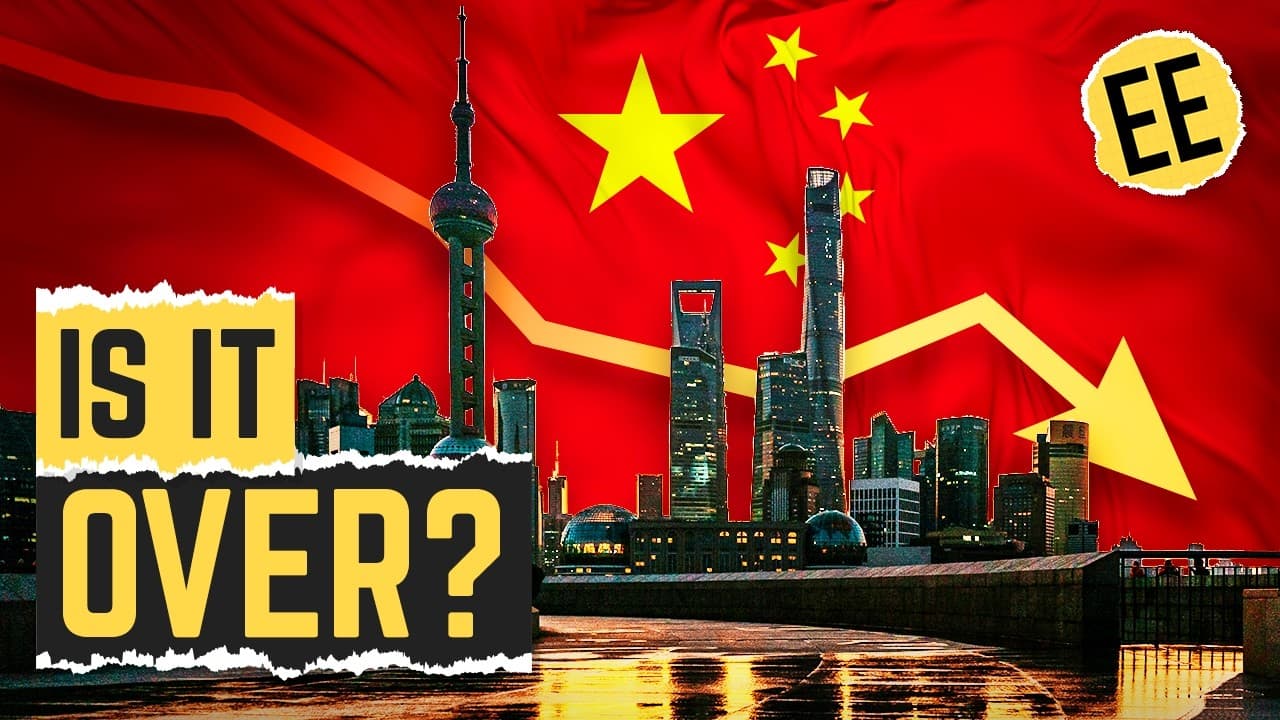
TL;DR
China's economy is slowing, facing debt and uncertain future.
Transcript
For decades many believed it was only a matter of time before China became the world's dominant superpower. Its rapid economic rise, massive infrastructure projects and expanding global influence made it seem unstoppable. But that hasn't happened, at least not yet. Instead China's economy is slowing, debt is piling up and cracks are forming in its ... Read More
Key Insights
- China's rapid economic growth has slowed, with current growth rates around 5%, which is low by Chinese standards but would be remarkable elsewhere.
- The country's debt levels are rising, with combined national, provincial, and household debt potentially reaching 360% of GDP, posing a significant risk.
- China's real estate market is a major concern, contributing 30% to GDP, with speculative investments leading to ghost cities and potential financial instability.
- Deflation in China is causing concern, as it can indicate underlying economic issues and may lead to reduced consumer spending and slower growth.
- China's economic data may be unreliable, with potential overestimation due to incentives for local governments to report positive figures.
- The Belt and Road Initiative, aimed at expanding China's influence, has faced challenges, with many loans unlikely to be repaid, affecting China's global economic strategy.
- China's economy faces challenges similar to Japan's past stagnation, with an aging population and loss of manufacturing competitiveness.
- Despite challenges, China retains significant financial safeguards, like large foreign currency reserves, and maintains control over its economy to prevent collapse.
Install to Summarize YouTube Videos and Get Transcripts
Explore YouTube Video Summarizer or Get YouTube Transcript Extractor
Questions & Answers
Q: Why is China's economic growth slowing down?
China's economic growth is slowing due to several factors, including an over-reliance on debt-fueled investments, particularly in real estate and infrastructure. The country's growth model, which heavily depended on manufacturing and exports, is facing challenges as costs rise and global trade dynamics shift. Additionally, demographic changes and an aging population contribute to the slowdown.
Q: What are the implications of China's rising debt levels?
China's rising debt levels, which could reach 360% of GDP, pose a significant risk to economic stability. High debt levels can limit the government's ability to respond to economic crises and may lead to financial instability if not managed properly. The heavy reliance on debt for growth, especially in real estate, increases the risk of defaults and financial crises.
Q: How does deflation impact China's economy?
Deflation in China can signal underlying economic issues, such as reduced consumer spending and confidence. It can lead to slower economic growth and make it harder for businesses to increase wages, potentially resulting in lower consumption. Deflation also impacts China's competitiveness in manufacturing, as stable or rising wages make it less competitive compared to other regions.
Q: Why is China's real estate market a concern?
China's real estate market is a concern because it contributes significantly to GDP, around 30%, and is heavily driven by speculative investments. The market has led to the development of ghost cities and unsustainable growth, posing risks of financial instability. If the market collapses, it could have widespread economic repercussions, affecting banks and household wealth.
Q: How reliable is China's economic data?
China's economic data is often questioned for its reliability, with potential overestimation due to local governments' incentives to report positive figures. This lack of transparency and potential manipulation can lead to inaccurate assessments of China's economic health, making it difficult for economists and policymakers to make informed decisions.
Q: What challenges does the Belt and Road Initiative face?
The Belt and Road Initiative faces challenges as many loans provided to developing countries for infrastructure projects are unlikely to be repaid. This has turned China into a global debt collector, contrary to its original goal of building partnerships. The initiative's struggles highlight the risks of China's global economic strategy and its impact on international relations.
Q: How does China's economic situation compare to Japan's past stagnation?
China's economic situation shares similarities with Japan's past stagnation, including rapid growth followed by slowing competitiveness and an aging population. However, China is still poorer than Japan was during its stagnation. While both countries face challenges, China's unique political and economic landscape may lead to different outcomes, potentially avoiding Japan's prolonged stagnation.
Q: What financial safeguards does China have against economic collapse?
China has significant financial safeguards, including the largest foreign currency reserves in the world, which can be used to stabilize the economy in times of crisis. The government's control over the economy allows for interventions, such as adjusting interest rates and providing financial support to key sectors, to prevent a total economic collapse.
Summary & Key Takeaways
-
China's economy, once expected to dominate globally, is now facing significant challenges, including slowing growth, rising debt, and potential instability in its real estate market. Despite these issues, China's growth rate remains higher than many Western economies.
-
Debt has become a major threat to China's economic stability, with national, provincial, and household debts collectively reaching alarming levels. The real estate sector, contributing 30% to GDP, is particularly vulnerable, with speculative investments leading to unsustainable growth.
-
China's economic data is often questioned for its reliability, with potential overestimation due to local governments' incentives to report positive figures. Despite these challenges, China has significant financial safeguards and remains a key player in the global economy.
Read in Other Languages (beta)
Share This Summary 📚
Summarize YouTube Videos and Get Video Transcripts with 1-Click
Try YouTube Summary with ChatGPT & Claude or YouTube Transcript Generator
Explore More Summaries from Economics Explained 📚






Summarize YouTube Videos and Get Video Transcripts with 1-Click
Try YouTube Summary with ChatGPT & Claude or YouTube Transcript Generator